Introduction
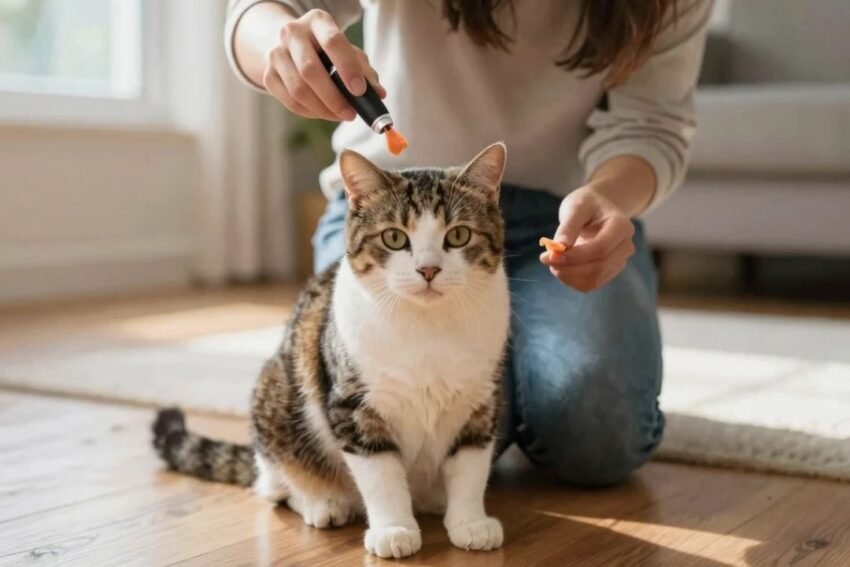
Cats are intelligent, curious, and independent animals, but that does not mean they cannot be trained. With patience, consistency, and the right techniques, most cats can learn useful behaviors and develop better habits. Cat training can help with litter box use, scratching, handling, carrier training, coming when called, and reducing unwanted behaviors.
Unlike dogs, cats usually respond best when training feels rewarding rather than forced. Positive reinforcement, short training sessions, treats, toys, and praise can make learning easier and more enjoyable.
Whether you have a playful kitten or an adult cat with established habits, learning how to train a cat can improve your relationship and make everyday life easier.
Can Cats Be Trained?
Yes, cats can be trained.
Cats can learn to associate specific behaviors with rewards. They can also learn routines and understand which behaviors are encouraged in their environment.
However, cats have different personalities. Some cats are highly food-motivated, while others prefer toys, attention, or playtime as rewards.
Successful cat training depends on understanding what motivates your individual cat.
Start With Positive Reinforcement
Positive reinforcement is one of the most effective methods for training cats.
Instead of punishing unwanted behavior, reward the behavior you want to encourage.
For example, if your cat uses a scratching post instead of furniture, immediately reward it with a small treat or praise.
Positive reinforcement can include:
- Small treats
- Verbal praise
- Petting
- Favorite toys
- Playtime
- Clicker training
The reward should come immediately after the desired behavior so your cat can make the connection.
Keep Training Sessions Short
Cats can lose interest quickly if training sessions are too long.
Start with sessions lasting only a few minutes. You can repeat them several times throughout the day.
Short and consistent training sessions are usually more effective than forcing your cat to continue when it becomes distracted or frustrated.
End the session on a positive note whenever possible.
Choose the Right Training Rewards
Every cat is different, so experiment to find the reward your cat values most.
Some cats respond strongly to food treats. Others may prefer a favorite toy or interactive play.
When using treats, choose small portions and consider them part of your cat’s overall daily food intake.
The goal is to reward behavior without creating unnecessary weight gain.
How to Teach a Cat Its Name
Teaching your cat to respond to its name can be a useful first step.
Begin in a quiet environment.
Say your cat’s name in a calm and friendly voice. When your cat looks toward you or approaches, immediately reward it.
Repeat this process regularly.
Avoid using your cat’s name primarily when giving unpleasant experiences, such as punishment. You want the name to create a positive association.
With repetition, your cat may begin to recognize that its name means something interesting or rewarding is about to happen.
How to Train a Cat to Come When Called
Once your cat recognizes its name, you can begin teaching it to come when called.
Start at a short distance.
Call your cat using its name and a consistent command such as “come.” When it approaches, reward it immediately.
Gradually increase the distance.
Practice indoors before attempting the behavior in more distracting environments.
Never repeatedly call your cat for something unpleasant, because this can weaken the positive association with the command.
Litter Box Training
Most cats naturally prefer to eliminate in a clean, private location, making litter training relatively straightforward.
Place the litter box in a quiet and accessible location.
After meals or naps, gently place a kitten near the litter box if necessary.
Keep the box clean and make sure your cat can easily access it.
If a cat suddenly stops using the litter box, do not assume it is simply being stubborn. Stress, environmental changes, litter preferences, or health problems can contribute to inappropriate elimination.
Persistent litter box problems should be discussed with a veterinarian.
How to Stop a Cat From Scratching Furniture
Scratching is normal cat behavior and should not be completely prevented.
Instead, teach your cat where scratching is appropriate.
Provide scratching posts with different textures and orientations.
Place them near furniture or areas your cat already likes to scratch.
When your cat uses the scratching post, reward it.
Avoid shouting or physically punishing your cat for scratching furniture. Redirect the behavior toward an appropriate scratching surface.
Teaching a Cat Not to Bite During Play
Kittens often use their mouths during play, but allowing them to bite human hands can encourage unwanted habits.
Use toys instead of your hands during interactive play.
Wand toys, balls, and other appropriate objects allow cats to chase and bite something that is designed for play.
If your cat bites during play, calmly stop the interaction and redirect attention to a toy.
Consistency is important because mixed signals can make training more difficult.
Training a Cat to Use a Carrier
Carrier training is extremely useful because cats may need to travel for veterinary appointments or emergencies.
Leave the carrier in an accessible area instead of bringing it out only before stressful trips.
Place comfortable bedding inside and allow your cat to investigate it.
You can encourage exploration by placing treats or toys inside.
Once your cat becomes comfortable entering the carrier, gradually close the door for short periods.
Reward calm behavior throughout the process.
This approach can make future veterinary visits less stressful.
How to Train a Cat for Grooming
Cats benefit from regular grooming, especially those with long coats.
However, some cats dislike being brushed, having their paws touched, or having their nails trimmed.
Start slowly.
Allow your cat to inspect the grooming tool. Reward calm behavior.
Begin with very short brushing sessions and gradually increase their length.
For nail care, gently touch your cat’s paws before attempting to trim the nails.
Never force the process if your cat becomes highly stressed. A veterinarian or professional groomer can help when necessary.
Teaching Your Cat to Accept Handling
Gentle handling can make routine care easier.
Gradually introduce your cat to being touched around the:
- Paws
- Ears
- Face
- Tail
- Body
Reward calm behavior.
This can help your cat become more comfortable with routine examinations and grooming.
Never force a cat into prolonged handling when it is frightened or highly stressed.
Clicker Training for Cats
Clicker training can be an effective way to communicate with cats.
A clicker produces a short, consistent sound that can mark the exact moment your cat performs the desired behavior.
First, teach your cat that the click means a reward is coming.
Click and immediately provide a treat.
Repeat several times.
Once your cat understands the association, you can use the clicker during training.
For example, when your cat touches your hand or enters a carrier, click at the right moment and provide a reward.
Teaching a Cat to Sit
Cats can learn simple commands such as sitting.
Hold a small treat above your cat’s head and move it slightly backward.
As your cat naturally looks upward, it may sit.
When the cat sits, immediately reward it.
Once the behavior becomes consistent, introduce a verbal cue such as “sit.”
Repeat the process regularly without making sessions too long.
Training Cats to Stay Off Certain Surfaces
Some owners want to keep cats away from kitchen counters, dining tables, or other areas.
Rather than punishing the cat, provide attractive alternatives.
For example, if your cat likes climbing onto a counter, provide a cat tree or elevated perch nearby.
Reward your cat for using the appropriate location.
Environmental management can be more effective than repeated punishment.
How to Reduce Excessive Meowing
Meowing is a normal way cats communicate with humans.
However, excessive vocalization may sometimes indicate hunger, boredom, stress, attention-seeking, or an underlying health issue.
First, determine why your cat is vocalizing.
If the behavior is attention-seeking, avoid rewarding excessive meowing with immediate attention every time. Instead, reward calm and quiet behavior.
Never ignore sudden changes in vocalization without considering possible medical causes.
If your cat suddenly becomes unusually vocal, consult a veterinarian.
Training a Cat to Accept a Harness
Some owners want to take their cats outdoors using a harness.
Introduce the harness gradually.
Allow your cat to sniff it first. Reward calm investigation.
Then place it on your cat for a short period indoors.
Gradually increase the amount of time your cat wears it.
Once your cat is comfortable, attach the leash and allow it to move around indoors.
Outdoor exploration should only begin when the cat is comfortable and the environment is safe.
Socializing a Cat
Socialization can help cats become more comfortable around people, sounds, animals, and new environments.
Introduce new experiences gradually.
Never force a frightened cat into a situation that overwhelms it.
Allow the cat to observe from a safe distance and reward calm behavior.
For kittens, positive early experiences can be especially valuable.
Adult cats can also learn to become more comfortable with new situations through gradual exposure.
Understanding Cat Body Language
Successful cat training requires understanding feline body language.
A relaxed cat may have:
- Relaxed ears
- A loose body posture
- Normal pupils
- A gently positioned tail
A stressed cat may:
- Hide
- Flatten its ears
- Hiss
- Crouch
- Move its tail rapidly
- Avoid interaction
If your cat shows signs of stress, stop the training session and give it space.
Training should build confidence rather than fear.
Avoid Punishment-Based Cat Training
Physical punishment, shouting, and frightening techniques are generally poor training strategies.
Punishment can make cats fearful and may damage trust between the cat and owner.
Instead, focus on:
- Redirecting unwanted behavior
- Rewarding desirable behavior
- Improving the environment
- Identifying the cause of the behavior
- Remaining consistent
If your cat is repeatedly displaying severe aggression or another concerning behavior, seek professional veterinary or behavioral advice.
Common Cat Training Mistakes
Avoid these common mistakes when training your cat:
- Training for too long
- Giving rewards too late
- Using inconsistent commands
- Punishing unwanted behavior
- Expecting instant results
- Ignoring the cat’s body language
- Using hands as toys
- Failing to provide scratching alternatives
- Changing rules between family members
Consistency and patience are essential.
A Simple Cat Training Routine
A basic training routine might look like this:
Morning
Spend a few minutes practicing name recognition or recall.
Afternoon
Use interactive play and reward appropriate behavior.
Evening
Practice a simple skill such as entering the carrier, sitting, or using a scratching post.
Training does not need to take hours. A few minutes of positive interaction each day can produce meaningful results over time.
When to Seek Professional Help
Some behaviors require more than basic home training.
Consider professional help if your cat shows:
- Severe aggression
- Persistent fear
- Repeated inappropriate elimination
- Extreme anxiety
- Sudden major behavior changes
- Destructive behavior that does not improve
A veterinarian should be consulted when a behavior change could be related to pain or illness.
Final Thoughts
Learning how to train a cat is primarily about patience, communication, and positive reinforcement. Cats may not respond to commands in exactly the same way dogs do, but they are capable of learning many useful behaviors.
Start with simple goals, keep training sessions short, reward desirable behavior immediately, and respect your cat’s boundaries. Provide appropriate alternatives for natural behaviors such as scratching, climbing, chasing, and exploring.
The most successful cat training techniques create a positive learning environment rather than relying on fear or punishment.
With consistency and understanding, you can teach your cat better habits while strengthening the bond between you and your pet. Whether you are training a kitten or an adult cat, small daily efforts can lead to a happier, calmer, and better-behaved companion.