Introduction
Pet ownership continues to evolve as people look for better ways to support the health, comfort, safety, and happiness of their animals. In 2026, pet care is increasingly focused on preventive wellness, personalized nutrition, enrichment, technology, mental health, and healthier everyday routines.
Modern pet owners are becoming more aware that a healthy pet lifestyle involves much more than providing food and shelter. Exercise, mental stimulation, grooming, dental care, socialization, quality sleep, preventive veterinary care, and a safe home environment all play important roles in overall pet wellness.
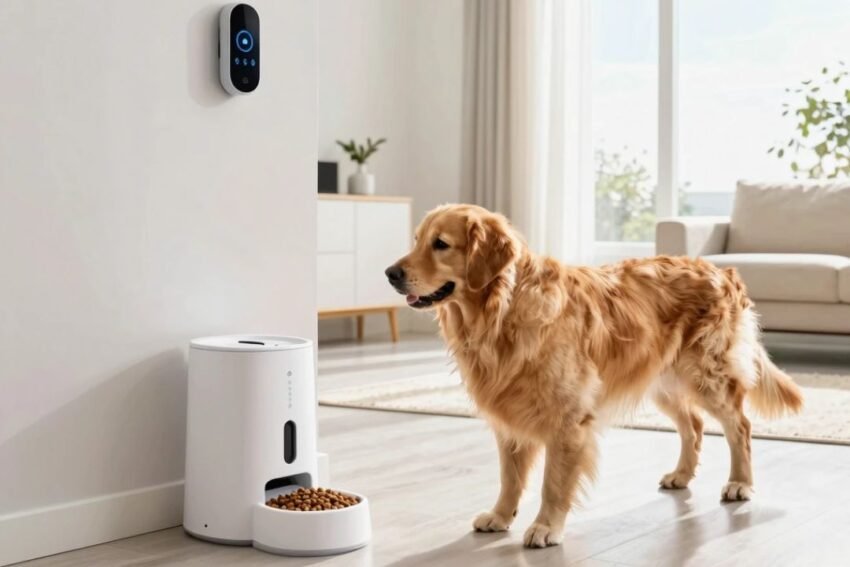
Technology is also becoming part of everyday pet care. Smart feeders, activity trackers, pet cameras, automatic water systems, interactive toys, and other connected products can help owners monitor routines and provide additional convenience. However, technology works best when it supports responsible human care rather than replacing it.
This guide explores the most important pet lifestyle trends in 2026, along with practical ways owners can create healthier routines for dogs, cats, and other companion animals.
What Is a Modern Pet Lifestyle?
A modern pet lifestyle combines traditional responsible pet care with new approaches to health, enrichment, convenience, and technology.
Important areas include:
- Healthy nutrition
- Regular exercise
- Mental stimulation
- Preventive healthcare
- Grooming
- Dental care
- Positive training
- Socialization
- Comfortable living spaces
- Pet safety
- Personalized routines
- Responsible technology use
The best lifestyle depends on the individual animal. Age, species, personality, activity level, and health should always be considered.
1. Preventive Pet Wellness
One of the biggest trends in modern pet care is a greater focus on prevention.
Instead of waiting for a pet to develop a serious problem, owners are paying more attention to regular wellness routines.
Preventive care can include:
- Regular veterinary examinations
- Vaccinations
- Dental assessments
- Weight monitoring
- Parasite prevention
- Healthy nutrition
- Regular exercise
- Grooming
Preventive care can make it easier to identify changes before they become major concerns.
2. Personalized Pet Nutrition
Pet nutrition is becoming increasingly focused on individual needs.
Instead of choosing food simply based on popularity or price, owners can consider:
- Species
- Age
- Size
- Activity level
- Body condition
- Dietary sensitivities
- Health requirements
A growing understanding of pet nutrition is encouraging owners to pay closer attention to ingredients, nutritional balance, feeding portions, and treats.
Personalized feeding should still be based on sound nutritional guidance rather than trends alone.
3. Healthy Weight Management
Pet obesity is an important wellness concern, making weight management an increasingly important part of responsible pet care.
A healthy weight can help support:
- Mobility
- Joint health
- Physical activity
- Overall fitness
- Quality of life
Owners can monitor:
- Portion sizes
- Treat intake
- Daily activity
- Body condition
- Weight changes
If you are unsure whether your pet is at a healthy weight, ask a veterinarian for guidance.
4. Smart Pet Technology
Technology is becoming more common in pet households.
Popular categories include:
- Automatic feeders
- Pet cameras
- Activity trackers
- GPS devices
- Smart water fountains
- Interactive toys
These products can help owners monitor routines and provide additional convenience.
For example, a pet camera may allow an owner to check on an animal while away from home, while an activity tracker may provide information about movement.
However, technology should not replace direct interaction or professional healthcare.
5. Interactive Pet Toys
Pet toys are becoming more focused on enrichment rather than simple entertainment.
Interactive toys can encourage animals to:
- Chase
- Explore
- Search
- Solve problems
- Manipulate objects
- Use natural behaviors
Puzzle feeders can turn mealtime into a mental activity.
For dogs, treat puzzles and scent games can provide valuable enrichment. For cats, toys that encourage stalking and chasing can support natural hunting behaviors.
Rotate toys regularly to maintain interest.
6. Mental Health and Emotional Wellness
Pet owners are paying more attention to emotional well-being.
Animals can experience fear, stress, boredom, and anxiety.
Signs of stress can include:
- Hiding
- Excessive vocalization
- Destructive behavior
- Changes in appetite
- Avoidance
- Restlessness
- Changes in normal behavior
A calm environment, predictable routine, appropriate exercise, mental stimulation, and positive interaction can support emotional wellness.
Significant or persistent behavioral changes should be discussed with a veterinarian or qualified animal behavior professional.
7. Stress-Free Pet Training
Modern training increasingly emphasizes positive reinforcement.
Instead of relying on fear or harsh punishment, owners can reward behaviors they want to encourage.
Rewards may include:
- Treats
- Praise
- Toys
- Play
- Attention
Positive training can help build trust while teaching useful behaviors.
Short, consistent sessions are often easier for pets to understand than long and frustrating training sessions.
8. Better Pet Socialization
Socialization remains an important part of a healthy lifestyle.
Pets can benefit from gradual, positive exposure to appropriate:
- People
- Animals
- Sounds
- Environments
- Travel
- Grooming
- Handling
Socialization should always respect the animal’s comfort level.
Forcing a frightened pet into an overwhelming environment can increase stress rather than build confidence.
9. Enrichment-Focused Homes
Pet owners are increasingly designing homes around natural animal behaviors.
For dogs, enrichment may include:
- Chew toys
- Snuffle mats
- Puzzle feeders
- Training areas
- Comfortable resting spaces
For cats, useful additions may include:
- Cat trees
- Scratching posts
- Window perches
- Hiding areas
- Climbing structures
An enriched environment can provide opportunities for animals to explore and make choices.
10. Better Grooming Routines
Grooming is becoming increasingly recognized as part of overall wellness rather than just appearance.
Regular grooming may include:
- Brushing
- Bathing
- Nail care
- Ear checks
- Paw care
- Eye-area cleaning
- Coat inspection
Brushing can help reduce loose hair and prevent mats in appropriate coat types.
Grooming also gives owners an opportunity to identify unusual skin changes, parasites, injuries, or lumps.
11. Advanced Dental Care
Pet dental health is another important lifestyle trend.
Regular dental care can help support oral hygiene and identify potential problems earlier.
Owners may use:
- Pet-safe toothbrushes
- Veterinary-approved toothpaste
- Dental products
- Professional dental examinations
Dental care should be introduced gradually, particularly when pets are not accustomed to having their mouths handled.
Human toothpaste should not be used unless specifically recommended by a veterinarian.
12. Better Hydration Habits
Hydration is becoming a greater focus of pet wellness.
Fresh, clean water should generally be available throughout the day.
Some pets may prefer certain water setups, such as fountains that provide moving water.
Water intake can vary depending on:
- Diet
- Temperature
- Exercise
- Age
- Health
A noticeable change in drinking habits should be discussed with a veterinarian.
13. Natural but Safe Pet Products
Many pet owners are interested in natural products, including grooming supplies, food ingredients, bedding, and toys.
However, “natural” does not automatically mean safe.
Some plants, essential oils, supplements, and household substances can be harmful to animals.
Always verify that a product is appropriate for your pet before using it.
Safety should be more important than marketing claims.
14. Sustainable Pet Care
Environmental awareness is also influencing pet products and services.
Some owners are looking for:
- Durable toys
- Reusable accessories
- Sustainable packaging
- Long-lasting products
- Responsible waste-management options
Buying fewer but better-quality products can sometimes reduce unnecessary waste.
However, sustainability should never compromise animal safety.
15. Personalized Exercise Plans
Pet exercise is becoming more individualized.
Instead of assuming every dog or cat needs the same amount of activity, owners can consider:
- Age
- Size
- Breed characteristics
- Fitness
- Health
- Energy level
- Weather
Young energetic animals may need more physical activity, while senior pets may benefit from gentle movement.
Pets with health conditions should follow appropriate veterinary guidance.
16. Better Sleep and Rest
Rest is an important part of pet wellness.
Owners are increasingly recognizing the importance of comfortable sleeping environments.
A suitable resting area should be:
- Clean
- Quiet
- Comfortable
- Safe
- Appropriate for the pet’s size
Senior pets may benefit from supportive bedding and easier access to their favorite resting areas.
17. Pet-Friendly Home Design
Homes are increasingly being adapted to accommodate pets.
Useful features can include:
- Easy-to-clean surfaces
- Secure storage
- Comfortable beds
- Designated feeding areas
- Safe play spaces
- Scratching areas
- Climbing structures
- Pet gates
A pet-friendly home can reduce hazards while giving animals more opportunities to relax and explore.
18. Improved Pet Safety
Pet safety remains one of the most important lifestyle priorities.
Keep dangerous materials away from pets, including:
- Medications
- Cleaning chemicals
- Toxic plants
- Unsafe foods
- Electrical cables
- Sharp objects
- Small items
- Open trash
Outdoor safety is equally important.
Use appropriate leashes, secure fencing, identification, and other suitable safety measures.
19. Pet Travel and Lifestyle
More owners are including pets in their travel and outdoor activities.
Before traveling, consider:
- Safe transportation
- Identification
- Water
- Food
- Rest breaks
- Appropriate restraints
- Weather conditions
- Pet-friendly accommodation
Not every pet enjoys travel, so individual temperament should be considered.
A calm and familiar environment may be better for some animals.
20. Better Pet Grooming at Home
At-home grooming can be a convenient part of pet care.
Owners can learn basic techniques for:
- Brushing
- Nail care
- Dental hygiene
- Coat maintenance
- Paw cleaning
However, difficult mats, skin problems, severe nail issues, or other unusual conditions may require professional grooming or veterinary attention.
21. Focus on Senior Pet Wellness
Senior pets are receiving more attention as owners recognize their changing needs.
Older animals may benefit from:
- Gentle exercise
- Comfortable bedding
- Easier access to food and water
- Regular veterinary monitoring
- Weight management
- Mental stimulation
- Home modifications
Changes in mobility or behavior should not automatically be dismissed as normal aging.
22. Enrichment for Indoor Pets
Indoor lifestyles can be healthy when pets receive enough stimulation.
Indoor enrichment can include:
- Puzzle toys
- Training
- Interactive play
- Climbing
- Scratching
- Safe exploration
- Scent activities
Cats especially can benefit from vertical spaces and opportunities to observe their environment.
23. Responsible Use of Pet Supplements
Pet supplements are increasingly marketed for areas such as joints, skin, digestion, and general wellness.
However, supplements should not automatically be considered necessary.
Before giving a supplement, consider:
- Whether your pet actually needs it
- Product quality
- Ingredients
- Possible interactions
- Appropriate dosage
- Veterinary recommendations
A balanced diet should remain the foundation of pet nutrition.
24. More Focus on Pet-Owner Education
One of the most valuable trends is greater access to pet-care information.
Owners can learn about:
- Nutrition
- Behavior
- Training
- Grooming
- Exercise
- Safety
- Preventive care
However, not all online information is reliable.
For health concerns, professional veterinary advice remains important.
25. The Human-Pet Bond
Despite all the technology and new products available in 2026, the human-pet relationship remains at the center of a healthy lifestyle.
Pets benefit from:
- Attention
- Companionship
- Positive interaction
- Play
- Training
- Trust
- Consistency
A smart feeder can provide food, but it cannot replace companionship.
An activity tracker can measure movement, but it cannot replace a walk or interactive play.
Technology should support the relationship rather than replace it.
How to Build a Healthy Pet Routine in 2026
A practical routine can combine traditional care with modern tools.
Morning
- Provide fresh water
- Feed an appropriate meal
- Exercise or play
- Check general behavior
Afternoon
- Provide rest
- Offer enrichment
- Check water
- Use interactive toys when appropriate
Evening
- Exercise or play
- Training
- Grooming when needed
- Quality time
- Prepare a comfortable sleeping area
Weekly
- Clean pet areas
- Inspect toys
- Groom as needed
- Check weight and body condition
- Review the overall routine
The exact schedule should be adapted to your pet.
Common Pet Lifestyle Mistakes in 2026
Even with access to better products and information, owners can still make mistakes.
Common problems include:
- Overusing treats
- Relying too heavily on technology
- Ignoring exercise
- Providing insufficient mental stimulation
- Choosing products based only on trends
- Ignoring dental care
- Using unsafe natural products
- Neglecting weight management
- Skipping preventive veterinary care
- Ignoring behavioral changes
The best approach is to focus on practical needs rather than simply following trends.
Future of Pet Lifestyle and Wellness
Pet care is likely to become increasingly personalized.
Future developments may include more advanced monitoring tools, personalized nutrition services, smarter enrichment products, improved veterinary technology, and better digital tools for tracking routines.
However, the fundamental principles of good pet care are unlikely to change.
Pets will still need:
- Appropriate food
- Fresh water
- Exercise
- Mental stimulation
- Safe environments
- Rest
- Social interaction
- Grooming
- Veterinary care
- Human companionship
Technology can improve how owners provide these things, but it cannot replace the fundamentals.
Conclusion
Pet lifestyle trends in 2026 are increasingly focused on health, personalization, enrichment, technology, and preventive care. Pet owners have more tools than ever to support their animals, from smart feeders and activity trackers to interactive toys and modern grooming products.
However, a healthy lifestyle does not depend on expensive technology or trendy products. The foundation remains simple: appropriate nutrition, regular exercise, mental stimulation, grooming, dental care, safe surroundings, quality rest, positive training, and preventive veterinary care.
Every pet has unique needs. Owners should adapt routines according to species, age, personality, activity level, and health rather than following a one-size-fits-all approach.
The future of pet care is becoming smarter, but the best pet lifestyle still comes down to responsible everyday care, meaningful interaction, and understanding what each animal needs to live a happy and healthy life.