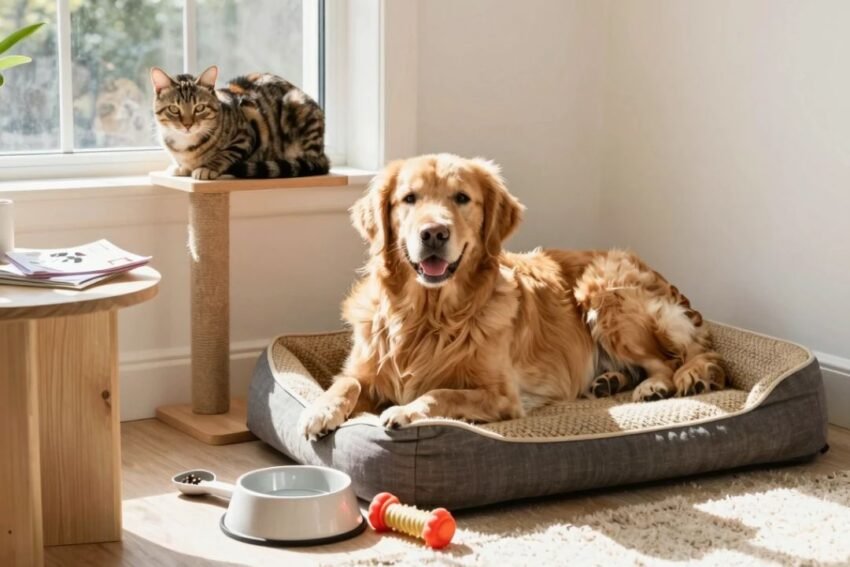
Introduction
Building a better pet lifestyle does not require complicated routines or expensive products. Dogs, cats, and other companion animals can benefit greatly from simple daily habits that support nutrition, exercise, mental stimulation, grooming, social interaction, rest, and overall wellness.
Pets depend on their owners for many of their basic needs, but every animal is different. A playful puppy may need frequent exercise and training, while a senior cat may prefer gentle activities and more comfortable resting spaces. Understanding your pet’s personality, age, activity level, and individual needs is essential for creating a routine that works.
A good pet lifestyle combines physical care with emotional support. Regular play can keep pets active, while training and enrichment can keep their minds engaged. A predictable routine can provide security, and quality time can strengthen the bond between pets and their owners.
This guide explains how to build a better pet lifestyle with practical daily care, playtime, wellness, grooming, nutrition, safety, and training tips.
What Makes a Good Pet Lifestyle?
A healthy pet lifestyle should support several areas of an animal’s life.
These include:
- Proper nutrition
- Fresh drinking water
- Regular physical activity
- Mental stimulation
- Positive training
- Grooming and hygiene
- Dental care
- Social interaction
- Comfortable sleep
- Preventive healthcare
- A safe environment
The balance between these areas depends on the individual pet.
1. Start With a Consistent Daily Routine
Pets often feel more comfortable when their days have a predictable structure.
A basic routine may include:
- Morning feeding
- Bathroom time
- Exercise
- Play
- Rest
- Training
- Evening feeding
- Grooming when needed
- Quiet bedtime
You do not have to follow the exact same schedule every day. Instead, aim for consistency in the main activities.
A regular routine can also make it easier to notice unusual changes in your pet’s appetite, energy, behavior, or bathroom habits.
2. Provide the Right Nutrition
Food is one of the most important parts of a healthy lifestyle.
Choose food appropriate for your pet’s species and life stage. Nutritional needs can vary based on age, size, activity level, body condition, and health.
A balanced diet should provide appropriate nutrients such as:
- Protein
- Fats
- Carbohydrates where appropriate
- Vitamins
- Minerals
- Essential nutrients
- Water
Avoid choosing food only because of attractive packaging or marketing claims. Consider the nutritional information and your pet’s individual needs.
If your pet has allergies, digestive problems, weight concerns, or other health conditions, consult a veterinarian before making major dietary changes.
3. Control Meal Portions
Healthy food can still contribute to weight gain if portions are too large.
Measure meals according to your pet’s nutritional needs and feeding recommendations.
Pay attention to:
- Meal size
- Number of meals
- Treats
- Table scraps
- Activity level
- Body condition
If multiple family members feed the pet, create a clear feeding routine to prevent accidental overfeeding.
4. Always Provide Fresh Water
Clean water should be available throughout the day.
Wash water bowls regularly and refill them as necessary.
Some pets drink more when they have access to moving water, while others are perfectly comfortable with a clean bowl.
Monitor changes in drinking habits. A sudden increase or decrease in water consumption can sometimes indicate a health issue and should be discussed with a veterinarian.
5. Make Playtime Part of the Daily Routine
Play is an important part of a healthy pet lifestyle.
For dogs, play may include:
- Fetch
- Tug games
- Chasing toys
- Outdoor exploration
- Training games
For cats, play can include:
- Wand toys
- Chase toys
- Balls
- Interactive toys
- Climbing activities
Play provides physical exercise while also supporting natural behaviors.
Keep sessions appropriate for your pet’s age and physical condition.
6. Use Play for Mental Stimulation
Play should not always be about running or chasing.
Interactive activities can challenge your pet to think and solve simple problems.
Try:
- Puzzle feeders
- Treat-dispensing toys
- Hide-and-seek
- Scent games
- Training games
- Food puzzles
- Toy rotation
Mental enrichment can help reduce boredom and may decrease unwanted behaviors caused by a lack of stimulation.
7. Give Dogs Regular Walks
For many dogs, walking is one of the best ways to combine exercise, exploration, and mental stimulation.
Allowing a dog to safely investigate different smells and environments can provide valuable enrichment.
Walks should be adjusted for:
- Age
- Breed or size
- Fitness
- Weather
- Health
- Individual energy level
Avoid exercising dogs heavily during extreme heat.
8. Create an Engaging Environment for Cats
Cats often benefit from an environment that allows them to climb, scratch, hide, and observe.
Useful additions can include:
- Cat trees
- Scratching posts
- Window perches
- Hiding areas
- Interactive toys
- Climbing shelves
Cats often enjoy vertical spaces because they provide opportunities to observe their surroundings.
Rotate toys periodically to maintain interest.
9. Encourage Safe Socialization
Socialization helps pets become comfortable with appropriate experiences.
Pets may need gradual exposure to:
- New people
- Other animals
- Household sounds
- Different environments
- Car travel
- Grooming
- Veterinary handling
Keep experiences positive and controlled.
Never force an anxious pet into an overwhelming situation. Allowing the animal to retreat can help maintain confidence.
10. Practice Positive Training
Training can make everyday life easier while providing mental exercise.
Positive reinforcement rewards desired behaviors.
Rewards can include:
- Treats
- Praise
- Toys
- Play
- Attention
Dogs can learn commands such as sit, stay, come, and wait.
Cats can learn to respond to their names, use scratching posts, enter carriers, and cooperate with grooming.
Keep training sessions short and repeat them regularly.
11. Understand Your Pet’s Body Language
Pets communicate through body language as well as sounds.
Dogs may use:
- Tail position
- Ear position
- Facial expressions
- Posture
- Vocalization
Cats may communicate through:
- Tail movement
- Ears
- Eyes
- Body posture
- Vocal sounds
Learn what your individual pet’s normal behavior looks like.
A sudden change in body language can sometimes indicate fear, stress, pain, or illness.
12. Make Grooming a Regular Habit
Grooming helps keep pets clean and provides an opportunity to monitor their health.
Depending on the animal, grooming may include:
- Brushing
- Bathing
- Nail trimming
- Ear cleaning
- Eye-area care
- Paw care
- Coat inspection
Long-haired pets generally require more frequent brushing to prevent mats and tangles.
Use products designed specifically for animals.
13. Support Good Dental Hygiene
Dental care should be part of everyday pet wellness.
Plaque and tartar can contribute to oral problems and discomfort.
A dental routine may include:
- Pet-safe toothpaste
- A suitable toothbrush
- Veterinary-approved dental products
- Regular dental examinations
Introduce dental care gradually so the pet becomes comfortable with mouth handling.
Never use human toothpaste unless specifically recommended by a veterinarian.
14. Create a Comfortable Sleeping Area
Rest is essential for a healthy lifestyle.
Give your pet a comfortable place to sleep and relax.
The area should be:
- Clean
- Quiet
- Comfortable
- Safe
- Appropriate for the pet’s size
Senior pets may benefit from supportive bedding.
Make sure children understand that pets should not be disturbed while sleeping.
15. Keep the Home Pet-Safe
Pet-proofing your home can prevent accidents.
Store dangerous items securely, including:
- Medications
- Cleaning chemicals
- Toxic plants
- Small objects
- Sharp tools
- Electrical cords
- Unsafe foods
- Household waste
Secure windows, doors, balconies, and fences when necessary.
Pets are naturally curious, so prevention is often easier than dealing with an accident.
16. Choose Appropriate Toys
Toys should match the pet’s size, age, and playing style.
Inspect toys regularly for damage.
Replace toys that have:
- Loose pieces
- Sharp edges
- Broken materials
- Detached strings
- Small pieces that can be swallowed
Some toys should only be used with supervision.
17. Keep Your Pet’s Weight Healthy
Weight management is an important part of pet wellness.
Excess weight can place additional stress on joints and may increase the risk of health problems.
Support healthy weight through:
- Appropriate portions
- Balanced food
- Controlled treats
- Regular exercise
- Mental enrichment
Monitor body condition rather than focusing only on a number on the scale.
A veterinarian can help determine an appropriate weight for your pet.
18. Make Time for Quality Interaction
Pets need attention and companionship.
Quality time can involve:
- Playing
- Walking
- Grooming
- Training
- Relaxing together
- Gentle affection
However, not every pet wants constant physical contact.
Respect your pet’s preferences and personal space.
Learning what makes your pet comfortable can strengthen trust.
19. Prevent Boredom
Boredom can contribute to unwanted behaviors.
Signs may include:
- Excessive barking
- Destructive chewing
- Scratching
- Restlessness
- Attention-seeking
- Excessive vocalization
Provide a combination of exercise, enrichment, training, and appropriate rest.
Do not assume every unwanted behavior is simply disobedience. Consider whether the pet has enough activity and stimulation.
20. Protect Pets During Hot Weather
Heat can create serious risks for animals.
During hot weather:
- Provide plenty of water
- Offer shade
- Keep pets in comfortable environments
- Avoid intense exercise during peak heat
- Never leave pets unattended in a hot vehicle
Dogs with certain physical characteristics and older animals may require additional care in hot conditions.
21. Maintain Parasite Prevention
Fleas, ticks, and other parasites can affect pet health.
Use appropriate preventive products based on veterinary advice.
Do not assume that a product designed for one species is safe for another.
Regularly check your pet’s coat and skin, especially after outdoor activities.
22. Keep Pet Areas Clean
Good hygiene contributes to a healthier lifestyle.
Clean regularly:
- Food bowls
- Water bowls
- Bedding
- Litter boxes
- Cages
- Crates
- Toys
- Grooming tools
Promptly remove waste and keep sleeping areas dry and comfortable.
For cats, regular litter-box cleaning can support good hygiene and appropriate bathroom habits.
23. Schedule Preventive Veterinary Care
Routine veterinary care can help support long-term health.
Depending on the pet, preventive care may include:
- Wellness examinations
- Vaccinations
- Dental assessments
- Parasite prevention
- Weight checks
- Nutrition guidance
- Health screening
Do not wait until a pet appears seriously ill before seeking veterinary advice.
Contact a veterinarian when there are significant changes in appetite, drinking, energy, breathing, weight, mobility, or behavior.
24. Adjust the Routine as Your Pet Ages
A pet’s lifestyle should change throughout its life.
Young Pets
Puppies and kittens need appropriate nutrition, training, socialization, play, and rest.
Adult Pets
Adult pets generally benefit from consistent exercise, enrichment, balanced nutrition, grooming, and preventive care.
Senior Pets
Older pets may need:
- Gentler exercise
- Supportive bedding
- Easier access to food and water
- More frequent health monitoring
- Additional veterinary attention
Adapting care can help older pets remain comfortable.
25. Use Technology as a Helpful Tool
Modern technology can make pet care easier.
Examples include:
- Automatic feeders
- Pet cameras
- Water fountains
- Activity trackers
- GPS devices
- Interactive toys
These tools can help owners monitor routines and provide convenience.
However, technology should not replace personal interaction, supervision, exercise, or veterinary care.
Simple Daily Pet Care Schedule
A simple routine can make responsible pet ownership easier.
Morning
Start with fresh water, feeding, bathroom needs, and appropriate exercise.
Afternoon
Provide rest, enrichment, and interaction. Check water and provide food if the feeding schedule requires it.
Evening
Offer another period of exercise or play, followed by training or grooming when appropriate.
Before Bed
Check water, ensure the pet is comfortable, and provide a safe resting area.
The exact routine should be adapted to your animal.
Common Pet Lifestyle Mistakes
Avoid these common mistakes:
- Overfeeding
- Too many treats
- Lack of exercise
- Lack of mental stimulation
- Inconsistent training
- Poor grooming
- Ignoring dental health
- Unsafe toys
- Ignoring body language
- Using harsh punishment
- Delaying veterinary care
- Failing to pet-proof the home
Improving even one or two of these areas can make a meaningful difference.
How to Make Pet Care Easier for Busy Owners
Busy schedules can make pet care challenging, but planning can help.
Create a simple checklist covering:
- Feeding
- Water
- Exercise
- Training
- Grooming
- Cleaning
- Medication when prescribed
- Veterinary appointments
Family members can share responsibilities.
Set reminders for tasks that do not happen every day, such as nail trimming or veterinary appointments.
Building a Long-Term Pet Wellness Plan
A long-term pet lifestyle should evolve as your animal’s needs change.
Review your pet’s routine regularly.
Ask yourself:
- Is my pet maintaining a healthy weight?
- Is it getting enough exercise?
- Does it have enough mental stimulation?
- Is grooming being maintained?
- Are dental needs being addressed?
- Does the home remain safe?
- Has its behavior changed?
- Does it need a veterinary checkup?
These simple questions can help identify areas that need attention.
Conclusion
Building a better pet lifestyle starts with consistent everyday care. Healthy nutrition, fresh water, exercise, playtime, mental stimulation, positive training, grooming, socialization, rest, and preventive healthcare all contribute to a pet’s overall quality of life.
The most effective routine is one that fits the individual animal. A young energetic dog will have different needs from a senior cat, rabbit, bird, or other companion animal.
You do not need to make pet care complicated. Focus on the basics, observe your pet carefully, and adjust the routine as its needs change.
A better pet lifestyle is built through small daily habits. With nutritious food, regular activity, meaningful play, a safe home, proper grooming, preventive care, and plenty of positive interaction, you can help your pet enjoy a happier, healthier, and more active life.