Introduction
Pets bring companionship, happiness, and comfort into our lives, but they can sometimes develop behaviors that are difficult for owners to understand. Barking, scratching, chewing, aggression, excessive meowing, fear, separation problems, and inappropriate elimination are among the most common pet behavior problems.
These behaviors are not always signs that a pet is badly trained. They can be caused by natural instincts, boredom, stress, anxiety, changes in the environment, poor socialization, or medical problems. Understanding the reason behind a behavior is often the first step toward solving it.
Effective pet behavior training focuses on identifying triggers, providing appropriate alternatives, rewarding desirable behavior, and creating a safe and predictable environment. Punishment and fear-based techniques can damage trust and may make some problems worse.
This guide explains common pet behavior problems, their possible causes, and practical training solutions that can help dogs, cats, and other companion animals develop healthier habits.
Why Do Pets Develop Behavior Problems?
There is rarely one single reason for unwanted pet behavior.
Possible causes include:
- Natural instincts
- Lack of exercise
- Boredom
- Fear
- Anxiety
- Stress
- Poor socialization
- Inconsistent training
- Environmental changes
- Attention seeking
- Previous negative experiences
- Pain or illness
Before attempting to correct a behavior, consider what your pet may be trying to communicate.
1. Excessive Barking
Excessive barking is one of the most common dog behavior problems.
Dogs may bark because they are:
- Excited
- Frightened
- Bored
- Protecting territory
- Seeking attention
- Responding to other animals
- Experiencing separation-related stress
Practical Solution
First identify the trigger.
If your dog barks at people outside the window, reduce access to the window or redirect its attention to another activity.
Reward quiet behavior.
Provide sufficient exercise and mental stimulation so boredom does not contribute to excessive barking.
Avoid constantly shouting at a barking dog because the dog may interpret your loud voice as additional excitement.
2. Excessive Meowing in Cats
Cats communicate with humans through vocalization, and some cats naturally talk more than others.
However, excessive meowing can sometimes indicate:
- Hunger
- Boredom
- Attention seeking
- Stress
- Environmental changes
- Discomfort
- Illness
Practical Solution
Check your cat’s basic needs first.
Make sure food, water, litter, exercise, and enrichment are available.
Reward calm behavior rather than automatically providing attention every time the cat meows.
If excessive vocalization appears suddenly, consult a veterinarian.
3. Destructive Chewing
Chewing can be normal, particularly for puppies.
Dogs may chew because they are:
- Teething
- Bored
- Exploring
- Anxious
- Seeking attention
Practical Solution
Provide appropriate chew toys.
Keep valuable or dangerous objects out of reach.
When your pet chooses an appropriate toy, reward the behavior.
Regular exercise and mental stimulation can also reduce boredom-related chewing.
4. Scratching Furniture
Scratching is natural for cats.
Cats scratch to stretch, maintain their claws, mark territory, and release energy.
Practical Solution
Provide scratching posts and scratching pads.
Place them near furniture your cat already scratches.
Experiment with different materials and positions.
Reward your cat for using the appropriate scratching surface.
Do not punish the cat for scratching because scratching itself is normal behavior.
5. Biting During Play
Young pets may bite while playing.
Dogs may use their mouths during play, while kittens often attack moving hands and feet.
Practical Solution
Do not encourage pets to play aggressively with human hands.
Use appropriate toys instead.
When biting occurs during play, calmly stop the interaction and redirect the pet to a suitable toy.
Consistency is important because mixed signals can make training difficult.
6. Aggression Toward People
Aggression can be one of the most serious pet behavior problems.
Possible causes include:
- Fear
- Pain
- Territorial behavior
- Resource guarding
- Stress
- Frustration
- Poor socialization
- Previous negative experiences
Practical Solution
Do not physically punish an aggressive pet.
Identify triggers and keep people safe.
If aggression is severe or unpredictable, seek professional assistance from a veterinarian or qualified animal behavior professional.
Sudden aggression should also be evaluated for possible medical causes.
7. Aggression Between Pets
Pets may fight over territory, food, toys, sleeping areas, or attention.
Cats can be especially sensitive to territorial changes.
Practical Solution
Provide separate resources for each animal.
Give pets their own:
- Food areas
- Water bowls
- Resting spaces
- Litter boxes
- Safe areas
When introducing animals, use a gradual process rather than forcing immediate interaction.
8. Separation Anxiety
Some pets become stressed when their owners leave.
Signs can include:
- Barking
- Whining
- Destructive behavior
- Excessive grooming
- Restlessness
- Attempts to escape
- House-soiling
Practical Solution
Create a predictable routine.
Provide safe enrichment when you leave, such as puzzle feeders or appropriate toys.
Practice short periods of separation and gradually increase them when appropriate.
Severe separation anxiety may require professional behavioral support.
9. Fear of Strangers
Some pets become nervous around unfamiliar people.
They may hide, bark, growl, freeze, or avoid interaction.
Practical Solution
Do not force your pet to approach strangers.
Allow the animal to observe from a comfortable distance.
Visitors should avoid chasing, grabbing, or staring directly at a frightened animal.
Reward calm behavior with treats, praise, or another preferred reward.
10. Fear of Loud Noises
Fireworks, thunderstorms, construction sounds, and other loud noises can frighten pets.
Signs may include:
- Hiding
- Trembling
- Panting
- Pacing
- Vocalization
- Attempts to escape
Practical Solution
Create a quiet, secure area where your pet can retreat.
Close windows and curtains if outside activity is contributing to the noise.
Provide familiar bedding and safe comfort items.
For severe noise anxiety, speak with a veterinarian about appropriate management strategies.
11. Litter Box Problems
Cats may stop using their litter box for several reasons.
Potential causes include:
- Dirty litter
- Stress
- Poor location
- Changes in litter type
- Competition with other cats
- Medical problems
Practical Solution
Keep litter boxes clean and accessible.
Provide sufficient boxes for the number of cats in your household.
Avoid punishment after accidents.
If a previously reliable cat suddenly stops using its litter box, seek veterinary advice.
12. House-Soiling in Dogs
Puppies need time and consistency to develop reliable toilet habits.
Adult dogs may also have accidents because of stress, changes in routine, or health problems.
Practical Solution
Take puppies outside regularly, especially after:
- Eating
- Drinking
- Sleeping
- Playing
Reward successful outdoor elimination immediately.
If an adult dog suddenly begins having accidents, consult a veterinarian.
13. Jumping on People
Dogs may jump because they are excited and want attention.
If people consistently pet the dog while it jumps, the behavior can become stronger.
Practical Solution
Teach the dog that calm behavior receives attention.
Ignore jumping when safe to do so.
When all four paws are on the floor, provide praise or a reward.
Everyone in the household should follow the same rule.
14. Pulling on the Leash
Dogs may pull because they are excited about exploring.
Practical Solution
Reward the dog when it walks calmly beside you.
Stop or change direction when pulling becomes excessive, depending on the training approach being used.
Use appropriate walking equipment and avoid harsh corrections.
Short, consistent training sessions can improve leash manners.
15. Begging for Food
Pets quickly learn that begging can result in food.
Giving food from the table can reinforce the behavior.
Practical Solution
Create a consistent feeding schedule.
Avoid rewarding begging.
Instead, reward calm behavior in an appropriate location.
Puzzle feeders can also provide mental stimulation during meals.
16. Excessive Jumping, Chasing, or Herding
Some dogs have strong instincts to chase moving objects or control movement.
These behaviors can become problematic when directed toward children, cyclists, vehicles, or other animals.
Practical Solution
Provide appropriate outlets for natural instincts.
Use structured play, training, puzzle activities, and controlled exercise.
Teach alternative behaviors such as focusing on the owner or returning when called.
17. Excessive Hiding
Cats and other pets may hide when they feel frightened or stressed.
A new environment can cause temporary hiding.
Practical Solution
Provide safe hiding areas and avoid forcing the pet out.
Maintain a quiet environment.
Allow the animal to approach people at its own pace.
If hiding suddenly increases or continues alongside changes in eating, drinking, grooming, or activity, consult a veterinarian.
18. Attention-Seeking Behavior
Pets can learn that certain unwanted behaviors produce attention.
A dog may bark, jump, or paw at an owner.
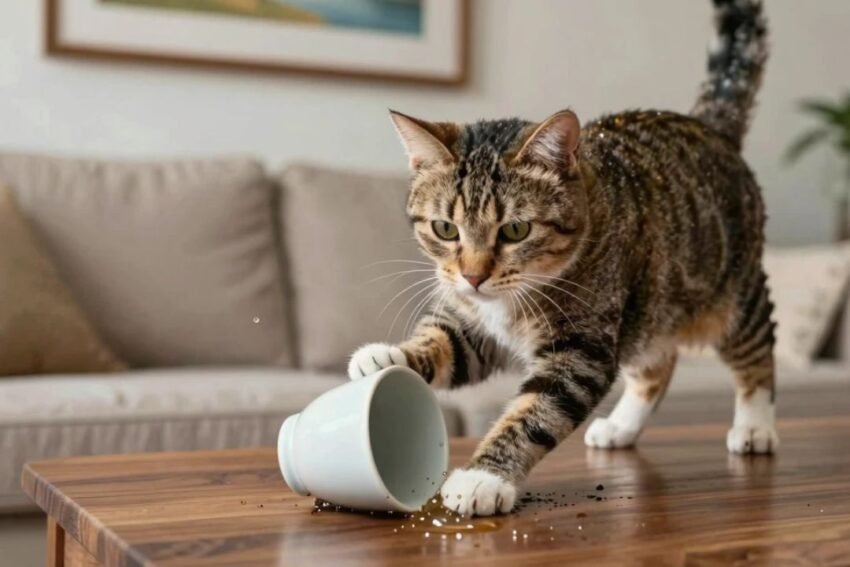
A cat may repeatedly meow or knock objects over.
Practical Solution
Identify which behaviors are being rewarded unintentionally.
Reward calm and appropriate behavior instead.
Provide regular attention, exercise, play, and mental stimulation so your pet has appropriate ways to interact with you.
Positive Reinforcement for Pet Training
Positive reinforcement is one of the most useful methods for changing pet behavior.
When your pet performs a desirable action, provide a reward immediately.
Rewards can include:
- Treats
- Praise
- Toys
- Petting
- Playtime
- Access to a preferred activity
The timing of the reward matters because the pet needs to connect the reward with the behavior.
Why Punishment Can Make Behavior Worse
Physical punishment, yelling, and intimidation can create fear.
A frightened pet may become more anxious, defensive, or aggressive.
Punishment also does not always explain what the pet should do instead.
A better approach is to:
- Identify the unwanted behavior.
- Determine the trigger.
- Redirect the pet.
- Reward the alternative behavior.
- Repeat consistently.
Improve the Pet’s Environment
A pet’s environment can have a major effect on behavior.
Provide:
- Comfortable resting areas
- Safe hiding places
- Toys
- Scratching posts for cats
- Chew toys for dogs
- Exercise opportunities
- Mental enrichment
- Predictable routines
An enriched environment can reduce boredom and help pets express natural behaviors safely.
The Importance of Exercise
Insufficient exercise can contribute to behavioral problems.
Dogs often need regular walks, play, training, and opportunities to explore.
Cats benefit from interactive play, climbing, scratching, and hunting-style activities.
The right amount of exercise depends on the animal’s age, health, breed, and individual needs.
Mental Stimulation Matters
Pets need mental challenges as well as physical activity.
Useful enrichment includes:
- Puzzle feeders
- Scent games
- Training sessions
- Interactive toys
- Food puzzles
- Safe exploration
Mental stimulation can help reduce boredom and improve overall well-being.
Health Problems Can Affect Behavior
Not every behavior problem is caused by poor training.
Pain, illness, hormonal changes, neurological conditions, and other health issues can affect behavior.
Contact a veterinarian if your pet develops a sudden or unusual change such as:
- Aggression
- Hiding
- Loss of appetite
- Excessive vocalization
- Changes in bathroom habits
- Unusual tiredness
- Excessive grooming
- Changes in drinking
When to Seek Professional Help
Professional support may be appropriate when behavior problems are severe, persistent, or dangerous.
Consider contacting a veterinarian or qualified animal behavior professional for:
- Serious aggression
- Severe anxiety
- Persistent separation problems
- Repeated house-soiling
- Dangerous chasing behavior
- Sudden behavioral changes
- Problems that do not improve with basic training
Early support can prevent some problems from becoming more difficult to manage.
A Simple Pet Behavior Training Routine
A consistent daily routine can help improve behavior.
Morning
Provide food, water, exercise, and a short training session.
Afternoon
Offer enrichment activities such as puzzle toys or safe independent play.
Evening
Provide interactive play, training, and calm bonding time.
Throughout the Day
Reward desirable behavior whenever you see it.
Final Thoughts
Common pet behavior problems can often be improved when owners understand the reasons behind them. Barking, meowing, scratching, chewing, biting, aggression, fear, separation anxiety, and toilet problems can have many causes.
The most effective approach is to identify the trigger, rule out possible health problems, provide appropriate alternatives, and use positive reinforcement consistently.
Avoid fear-based punishment and focus on teaching your pet what you want it to do instead. A safe environment, regular exercise, mental stimulation, proper socialization, and predictable routines can also make a major difference.
Every pet is different, so there is no single solution for every behavioral issue. By paying attention to your pet’s body language, personality, environment, and daily habits, you can better understand its needs and respond appropriately.
With patience, consistency, and responsible pet behavior training, many unwanted behaviors can be reduced while creating a stronger and more trusting relationship with your companion.