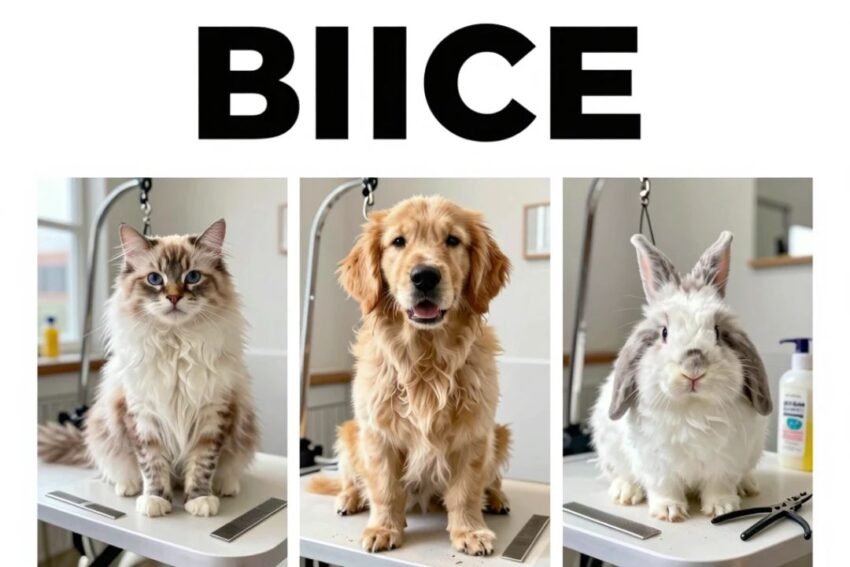
Introduction
Regular pet grooming and hygiene are essential parts of responsible pet care. Grooming is not only about making a dog, cat, or other pet look clean and attractive. It can also help maintain healthy skin, a clean coat, comfortable nails, good dental hygiene, and overall well-being.
Every pet has different grooming requirements. A long-haired cat may need frequent brushing to prevent mats, while a short-haired dog may require less frequent coat care. Some pets need regular nail trimming, ear cleaning, dental care, or professional grooming depending on their breed, lifestyle, coat type, and health.
A consistent grooming routine can also help owners notice changes such as skin irritation, lumps, parasites, unusual odors, hair loss, or other problems that may require veterinary attention.
This pet grooming and hygiene guide explains the most important grooming practices for dogs, cats, and other household pets, along with practical tips for creating a safe and comfortable grooming routine at home.
Why Pet Grooming Is Important
Grooming provides several benefits beyond appearance.
Regular grooming can help:
- Remove loose hair and dirt
- Keep the coat clean
- Reduce tangles and mats
- Support healthy skin
- Keep nails at a safe length
- Improve dental hygiene
- Reduce unpleasant odors
- Help identify skin problems
- Remove debris from certain areas
- Strengthen the bond between pets and owners
Grooming can also become an opportunity to monitor your pet’s overall condition.
During brushing or bathing, owners may notice changes that were not obvious before.
1. Regular Brushing
Brushing is one of the most important pet grooming habits.
It removes loose hair, dirt, and debris while helping distribute natural oils throughout the coat.
The ideal brushing schedule depends on the pet’s coat.
Short-Haired Pets
Short-haired dogs and cats may need brushing once or several times a week depending on shedding.
Long-Haired Pets
Long-haired pets often require more frequent brushing to prevent tangles and mats.
Curly or Dense Coats
Pets with curly or thick coats may require specialized brushes and more frequent grooming.
Regular brushing can also reduce the amount of loose hair around the home.
2. Choosing the Right Grooming Brush
Not every brush works for every coat.
Common grooming tools include:
- Bristle brushes
- Slicker brushes
- Undercoat tools
- Combs
- Detangling brushes
- Grooming gloves
Choose a brush according to your pet’s coat type.
A professional groomer or veterinarian can help owners determine which grooming tools are appropriate.
Always brush gently. Pulling aggressively through tangled hair can cause pain and make pets afraid of grooming.
3. Preventing Mats and Tangles
Mats are tightly tangled areas of hair that can develop when loose fur is not regularly removed.
They are particularly common in long-haired pets.
Mats can:
- Pull on the skin
- Trap moisture
- Collect dirt
- Cause discomfort
- Hide skin problems
Never forcefully pull a severe mat with scissors or a brush.
Large or tightly attached mats may require professional grooming because attempting to remove them incorrectly can injure the skin.
Prevention through regular brushing is usually easier than dealing with severe matting later.
4. Bathing Your Pet
Bathing can help remove dirt, odors, and substances from the coat.
However, pets do not necessarily need frequent baths.
Bathing too often can sometimes remove natural oils and contribute to dry or irritated skin.
The appropriate bathing schedule depends on:
- Species
- Coat type
- Lifestyle
- Activity level
- Skin condition
- Exposure to dirt
- Veterinary recommendations
Dogs that spend a lot of time outdoors may require more cleaning than indoor pets.
Cats generally groom themselves effectively and may not require routine bathing unless they become unusually dirty or have a specific medical or grooming need.
5. Use Pet-Safe Shampoo
Never assume that human shampoo is suitable for pets.
Pet skin has different characteristics from human skin, and products designed for people may be inappropriate.
Use a shampoo specifically formulated for the animal whenever bathing is necessary.
Depending on the pet’s needs, products may be available for:
- Sensitive skin
- Dry skin
- Odor control
- General cleaning
- Medicated conditions
If your pet has persistent itching, redness, scaling, or other skin problems, consult a veterinarian before choosing a medicated shampoo.
6. Safe Bathing Techniques
Bathing should be calm and controlled.
Before starting:
- Prepare towels and grooming supplies.
- Use comfortably warm water.
- Keep the pet secure.
- Wet the coat gradually.
- Apply pet-safe shampoo.
- Massage gently.
- Rinse thoroughly.
- Dry the coat carefully.
Avoid getting shampoo directly into the eyes or inside the ears.
A thorough rinse is important because leftover shampoo can irritate the skin.
7. Drying After a Bath
Drying is an important part of pet hygiene.
Use clean towels to remove excess moisture.
Some pets tolerate pet-safe dryers, while others become frightened by the sound.
If using a dryer, use an appropriate setting and avoid excessive heat.
Pay particular attention to areas where moisture can remain trapped, especially in pets with dense or long coats.
Keeping the coat properly dry can help reduce discomfort and certain skin problems.
8. Nail Trimming
Long nails can become uncomfortable and may interfere with normal movement.
Overgrown nails can:
- Catch on surfaces
- Break
- Become painful
- Affect walking
- Contribute to changes in posture
Nail trimming should be done carefully.
Pet nails contain sensitive tissue, so cutting too far can cause pain and bleeding.
If you are not confident trimming nails, ask a professional groomer or veterinarian to demonstrate the correct technique.
9. Dog Nail Care
Dogs that regularly walk on hard surfaces may naturally wear down some of their nails, but this does not always eliminate the need for trimming.
Check your dog’s nails regularly.
If the nails are becoming excessively long or clicking noticeably on hard floors, they may need attention.
Introduce nail handling gradually, especially with puppies.
Reward calm behavior so nail care becomes a positive experience.
10. Cat Nail Care
Indoor cats may benefit from regular nail checks.
Long claws can become uncomfortable and may catch on furniture, carpets, or other surfaces.
Cats should also have appropriate scratching posts.
Scratching is a natural behavior that helps cats stretch, exercise their paws, and maintain their claws.
Providing suitable scratching surfaces can protect household furniture while supporting normal behavior.
11. Pet Dental Hygiene
Dental care is an important but sometimes overlooked part of pet hygiene.
Poor oral hygiene can contribute to plaque, tartar, unpleasant breath, and dental disease.
Signs of potential dental problems can include:
- Bad breath
- Difficulty eating
- Dropping food
- Excessive drooling
- Swollen gums
- Visible tartar
- Changes in chewing behavior
Regular veterinary dental examinations are important.
Pet owners can also ask their veterinarian about appropriate toothbrushes, toothpaste, dental diets, or dental treats.
Never use human toothpaste on pets unless specifically instructed by a veterinary professional.
12. Ear Cleaning
Some pets need regular ear checks, particularly animals with floppy ears or certain ear-health risks.
During routine checks, look for:
- Excessive wax
- Redness
- Swelling
- Bad odor
- Discharge
- Frequent scratching
- Head shaking
Do not insert cotton swabs or other objects deeply into the ear canal.
If an ear appears painful, inflamed, or infected, veterinary examination is more appropriate than attempting aggressive cleaning at home.
13. Eye Hygiene
Some pets naturally develop small amounts of discharge around their eyes.
A clean, soft cloth or appropriate pet-safe wipe can sometimes be used to gently clean the surrounding area.
However, persistent discharge, redness, swelling, cloudiness, squinting, or discomfort should not be treated as a normal grooming issue.
Eye problems can require prompt veterinary attention.
14. Paw and Foot Care
Paw care is especially important for active pets.
Check paws for:
- Dirt
- Small stones
- Cuts
- Cracked pads
- Irritation
- Foreign objects
- Excess hair between the pads
After outdoor activities, cleaning the paws can help remove dirt and potentially irritating substances.
During extreme weather, pay attention to hot surfaces, ice, salt, and other environmental hazards.
15. Grooming Long-Haired Pets
Long-haired dogs and cats generally require more grooming than short-haired pets.
Important areas include:
- Behind the ears
- Around the neck
- Under the legs
- Belly
- Tail
- Around the hindquarters
These areas can develop tangles quickly.
Regular combing and brushing can help prevent mats and make grooming easier.
16. Grooming Short-Haired Pets
Short-haired pets still benefit from grooming.
Brushing can remove loose hair and help keep the coat clean.
It is also an excellent opportunity to check the skin for:
- Fleas
- Ticks
- Redness
- Lumps
- Dry patches
- Hair loss
- Wounds
Short hair does not mean that grooming can be completely ignored.
17. Parasite Checks
Grooming can help owners notice external parasites.
Fleas and ticks can cause irritation and may transmit diseases.
During brushing, check areas such as:
- Ears
- Neck
- Under the legs
- Belly
- Between toes
- Around the tail
If you find parasites, speak with a veterinarian about safe and effective prevention and treatment options.
Avoid using random household chemicals or products that are not specifically labeled for your pet’s species.
18. Professional Pet Grooming
Some pets benefit from professional grooming.
Professional groomers may help with:
- Haircuts
- Severe tangles
- Nail trimming
- Bathing
- Coat maintenance
- Breed-specific grooming
Professional grooming can be especially useful for pets with complicated coats.
Owners should choose a reputable groomer who handles animals safely and uses appropriate equipment.
19. Grooming Puppies and Kittens
Early grooming experiences can influence how pets respond to grooming later in life.
Start gradually with young pets.
Introduce them to:
- Gentle brushing
- Paw handling
- Ear checks
- Face handling
- Nail handling
- Bathing
- Grooming sounds
Keep early sessions short and positive.
Reward calm behavior with praise or appropriate treats.
The goal is to help the young pet learn that grooming is a normal part of life.
20. Make Grooming a Positive Experience
Some pets dislike grooming because they are uncomfortable, frightened, or unfamiliar with the process.
Avoid forcing a pet through unnecessary stress.
Instead:
- Start with short sessions
- Use calm handling
- Reward cooperation
- Take breaks
- Introduce tools slowly
- Keep the environment quiet
- End sessions positively
Positive reinforcement can help pets become more comfortable with regular grooming.
Pet Grooming Routine
A simple grooming schedule can make pet hygiene easier to manage.
Daily
Depending on the pet:
- Check eyes
- Check paws
- Monitor coat condition
- Provide dental care if recommended
- Check for unusual odors or changes
Weekly
Consider:
- Brushing
- Ear checks
- Nail checks
- Skin inspection
- Coat inspection
Monthly or as Needed
Consider:
- Nail trimming
- Bathing
- Professional grooming
- Parasite prevention checks
The exact schedule should be adjusted according to the pet’s individual needs.
Common Pet Grooming Mistakes
Pet owners should avoid several common mistakes.
Bathing Too Frequently
Too many baths can contribute to skin dryness or irritation.
Using Human Products
Human shampoos and grooming products may not be suitable for pets.
Ignoring Nails
Overgrown nails can become uncomfortable and affect movement.
Neglecting Dental Care
Oral hygiene is an important part of overall pet health.
Cutting Mats Incorrectly
Trying to cut tight mats close to the skin can cause injuries.
Ignoring Behavioral Stress
Forcing a frightened pet can make future grooming more difficult.
Skipping Veterinary Care
Grooming should not replace professional care when a pet develops health problems.
Signs Your Pet May Need Veterinary Attention
Grooming sessions can reveal potential health concerns.
Contact a veterinarian if you notice:
- Persistent itching
- Severe hair loss
- Open wounds
- Skin infections
- Persistent bad odor
- Ear discharge
- Severe ear redness
- Eye swelling
- Difficulty eating
- Significant dental problems
- Sudden changes in grooming behavior
- Unexplained lumps
- Persistent parasites
Early attention can help prevent some problems from becoming more serious.
Grooming Tips for a Healthy Pet
For better pet grooming and hygiene, follow these simple habits:
- Brush your pet according to its coat type.
- Use only pet-safe grooming products.
- Check nails regularly.
- Maintain appropriate dental care.
- Inspect ears and eyes without inserting objects deeply.
- Keep paws clean.
- Check regularly for parasites.
- Bathe only when necessary.
- Introduce grooming gradually to young pets.
- Use positive reinforcement.
- Keep grooming tools clean.
- Seek professional help when necessary.
- Consult a veterinarian about unusual health changes.
Conclusion
Pet grooming and hygiene are essential parts of keeping dogs, cats, and other companion animals comfortable and healthy. Regular brushing, appropriate bathing, nail care, dental hygiene, ear checks, paw care, and parasite monitoring can all contribute to better pet wellness.
The right grooming routine depends on your pet’s species, breed, coat type, age, lifestyle, and individual needs. Long-haired pets may need frequent brushing, while short-haired animals may require less intensive coat maintenance. Some pets may also need professional grooming.
The most important approach is to make grooming safe, gentle, and consistent. Using pet-safe products, avoiding unnecessary stress, and introducing grooming gradually can make the experience easier for both pets and owners.
At the same time, grooming should not replace veterinary care. Persistent itching, skin changes, ear problems, dental issues, unusual odors, hair loss, or other concerning symptoms should be evaluated by a veterinarian.
With a consistent pet grooming routine, proper hygiene, balanced nutrition, exercise, and regular health care, pet owners can help their animals stay clean, comfortable, active, and happy throughout their lives.