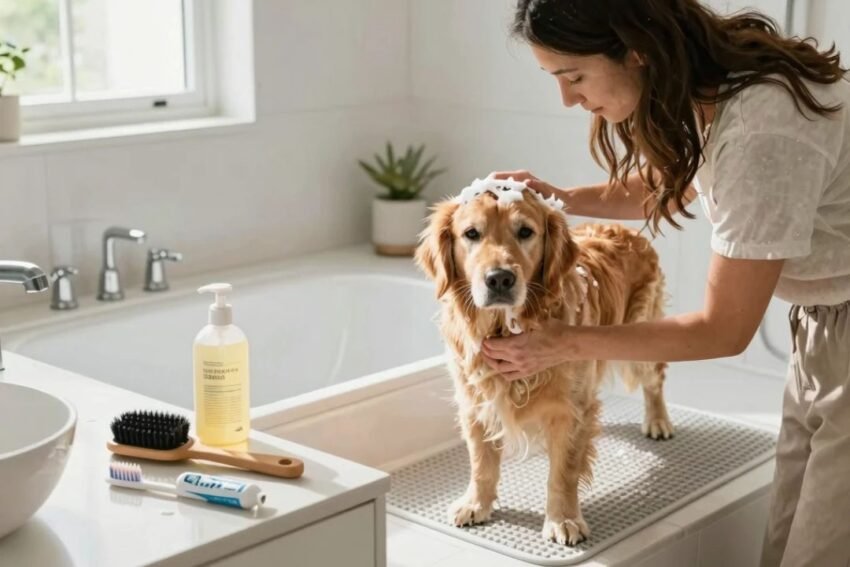
Introduction
Keeping pets clean and well-groomed is an important part of responsible pet ownership. In 2026, pet owners have access to better grooming tools, improved hygiene products, professional grooming services, and more information about maintaining healthy coats, nails, ears, paws, and teeth.
Pet grooming is about much more than appearance. Regular grooming can help remove dirt and loose hair, prevent mats, support healthy skin, maintain comfortable nails, and make it easier to notice potential health problems early.
Dogs, cats, rabbits, and other companion animals have different grooming requirements. A long-haired dog may need daily brushing, while a short-haired cat may require much less coat maintenance. Similarly, some pets need regular professional grooming, while others can be comfortably maintained at home.
This guide covers the best pet grooming tips in 2026, including brushing, bathing, nail trimming, dental care, ear cleaning, paw care, parasite checks, grooming tools, and ways to make grooming easier for your pet.
Why Pet Grooming Matters
Regular grooming provides several important benefits.
A good grooming routine can help:
- Keep the coat clean
- Remove loose hair
- Reduce tangles
- Prevent painful mats
- Support healthy skin
- Maintain comfortable nails
- Improve oral hygiene
- Reduce unpleasant odors
- Detect parasites
- Identify unusual skin changes
- Strengthen the relationship between pets and owners
Grooming also provides an opportunity to observe your pet closely. Small changes in the skin, coat, ears, eyes, paws, or behavior can sometimes indicate a health problem.
1. Brush Your Pet Regularly
Brushing is one of the simplest and most effective grooming habits.
Regular brushing removes loose hair, dirt, and debris while helping distribute natural oils through the coat.
The ideal brushing frequency depends on your pet.
Short-Haired Pets
Short-haired dogs and cats may only need brushing a few times per week, depending on shedding and coat condition.
Long-Haired Pets
Long-haired pets often need brushing more frequently to prevent tangles and mats.
Thick or Curly Coats
Dense and curly coats may require specialized grooming tools and more frequent maintenance.
Regular brushing can also reduce loose hair around the house.
2. Choose the Right Brush
Using the correct brush makes grooming easier and more comfortable.
Common options include:
- Bristle brushes
- Slicker brushes
- Combs
- Undercoat brushes
- Deshedding tools
- Grooming gloves
A slicker brush may be useful for certain longer coats, while a comb can help identify smaller tangles.
Avoid brushing aggressively. If your pet’s hair is tangled, work slowly and gently rather than pulling through knots.
For severe matting, professional grooming may be safer.
3. Prevent Hair Mats
Mats occur when loose hair becomes tangled and compacted.
They are especially common in long-haired animals.
Mats can trap:
- Dirt
- Moisture
- Skin oils
- Debris
- Parasites
Severe mats can pull on the skin and cause significant discomfort.
The best way to prevent mats is regular brushing.
Pay extra attention to areas such as:
- Behind the ears
- Under the legs
- Around the neck
- Belly
- Tail
- Hindquarters
4. Bathe Your Pet When Necessary
Bathing can help remove dirt and unpleasant odors, but more bathing is not always better.
Frequent unnecessary bathing may contribute to dry or irritated skin.
Bathing needs vary based on:
- Species
- Breed
- Coat type
- Lifestyle
- Outdoor activity
- Skin condition
- Veterinary recommendations
Dogs may require occasional baths, while healthy cats usually handle much of their own grooming.
Pets that become especially dirty may need additional cleaning.
5. Use Pet-Safe Shampoo
Always choose grooming products specifically designed for pets.
Human shampoo may not be appropriate for animal skin.
Pet shampoos can be designed for different needs, including:
- Sensitive skin
- Dry skin
- Odor control
- General cleaning
- Medicated skin conditions
If your pet has chronic itching, redness, scaling, or other skin issues, speak with a veterinarian before using medicated products.
6. Make Bath Time Comfortable
Bathing can be stressful for some animals.
To make the experience easier:
- Prepare everything before starting.
- Use comfortably warm water.
- Keep the environment calm.
- Wet the coat gradually.
- Apply shampoo gently.
- Keep shampoo away from eyes.
- Rinse thoroughly.
- Dry the pet carefully.
- Reward calm behavior.
Never leave a pet unattended around water.
A calm approach can help your pet become more comfortable with bathing over time.
7. Dry the Coat Properly
Drying is an important part of pet hygiene.
Use towels to remove excess water.
If your pet tolerates a dryer, use an appropriate pet-safe setting and avoid excessive heat.
Dense coats can hold moisture for longer, so make sure the coat is adequately dry.
Pay special attention to areas where moisture may remain trapped.
8. Keep Nails at a Healthy Length
Regular nail care is another important part of pet grooming.
Overgrown nails can:
- Catch on carpets
- Break
- Become painful
- Affect walking
- Change posture
- Cause discomfort
Check your pet’s nails regularly.
If you are unsure how much to trim, ask a veterinarian or professional groomer to demonstrate the correct method.
9. Introduce Nail Trimming Slowly
Many pets dislike having their paws handled.
Start by gently touching the paws without immediately trimming the nails.
Reward calm behavior.
Over several sessions, gradually introduce the nail clipper or grinder.
Short, positive sessions are often easier than trying to complete all nail trimming at once.
Never punish a pet for being nervous during grooming.
10. Take Dental Care Seriously
Dental hygiene is often overlooked, but it is an important part of overall pet health.
Poor oral hygiene can contribute to:
- Plaque
- Tartar
- Bad breath
- Gum problems
- Dental discomfort
Possible warning signs include:
- Persistent bad breath
- Difficulty chewing
- Dropping food
- Excessive drooling
- Swollen gums
- Visible tartar
- Changes in eating behavior
Regular veterinary dental examinations are important.
Ask your veterinarian about appropriate pet toothbrushes, toothpaste, dental diets, or dental treats.
Never use human toothpaste on pets unless specifically directed by a veterinary professional.
11. Check and Clean the Ears
Some pets require more frequent ear monitoring than others.
Floppy-eared dogs and animals prone to ear problems may need particular attention.
Check for:
- Redness
- Swelling
- Unusual odor
- Excessive wax
- Discharge
- Frequent scratching
- Head shaking
Do not insert cotton swabs or other objects deep into the ear canal.
If an ear looks painful or infected, professional veterinary evaluation is the safest approach.
12. Keep the Eyes Clean
Some pets naturally develop small amounts of discharge around their eyes.
The surrounding area can sometimes be gently cleaned with a soft, clean cloth.
However, persistent discharge should not simply be treated as a grooming problem.
Contact a veterinarian if you notice:
- Significant redness
- Swelling
- Cloudiness
- Persistent discharge
- Squinting
- Obvious eye pain
Eye problems can sometimes require prompt treatment.
13. Clean Your Pet’s Paws
Paw care is particularly useful for pets that spend time outdoors.
Check paws after walks or outdoor activities.
Look for:
- Dirt
- Stones
- Cuts
- Cracked pads
- Irritation
- Foreign objects
Cleaning paws can help remove substances that may irritate the skin.
During very hot or cold weather, protect paws from extreme surfaces and environmental hazards.
14. Grooming Tips for Dogs
Dogs can have very different grooming needs depending on their breed and coat.
Important dog grooming tasks include:
- Regular brushing
- Occasional bathing
- Nail trimming
- Dental care
- Ear checks
- Paw checks
- Parasite prevention
- Professional haircuts when necessary
Breeds with continuously growing or heavily textured coats may require professional grooming more frequently.
15. Grooming Tips for Cats
Cats are generally skilled at grooming themselves, but owners still have an important role.
Regular cat grooming can include:
- Brushing
- Nail checks
- Dental care
- Ear observation
- Eye-area cleaning
- Parasite checks
Long-haired cats often need more brushing to reduce tangles and hair mats.
Regular brushing can also reduce the amount of loose fur swallowed during self-grooming.
16. Grooming Puppies and Kittens
Early grooming experiences can shape future behavior.
Start with simple activities such as:
- Touching paws
- Gently handling ears
- Brushing briefly
- Touching the face
- Examining the coat
- Introducing grooming tools
Reward calm behavior with praise or appropriate treats.
The goal is to make grooming feel normal rather than frightening.
17. Check for Fleas and Ticks
Regular grooming gives owners an opportunity to check for external parasites.
Look around:
- Ears
- Neck
- Belly
- Legs
- Between toes
- Tail area
If you find fleas or ticks, use veterinary-approved prevention or treatment products.
Do not use random household chemicals or products intended for another species.
Some products that are safe for dogs can be dangerous to cats.
18. Choose Grooming Tools Carefully
A basic pet grooming kit may include:
- Appropriate brush
- Comb
- Nail clippers
- Pet-safe shampoo
- Towels
- Dental supplies
- Ear-care products when recommended
- Grooming wipes
- Pet-safe cleaning supplies
You do not need every grooming product available.
Choose tools based on your pet’s specific needs.
19. Keep Grooming Tools Clean
Grooming equipment should be cleaned regularly.
Dirty brushes, combs, nail tools, and other equipment can collect:
- Hair
- Dirt
- Skin oils
- Microorganisms
Clean and dry tools after use according to the manufacturer’s recommendations.
Keeping grooming equipment clean supports better hygiene.
20. Know When to Use a Professional Groomer
Some grooming tasks are better handled by professionals.
Consider professional grooming when:
- The coat is severely matted
- Your pet needs a complicated haircut
- Your pet strongly resists grooming
- Nail trimming is difficult
- You are unsure how to handle a specific coat
- Specialized grooming is required
Choose a groomer who has experience with your pet’s species and coat type.
Safety and gentle handling should always be priorities.
21. Grooming Can Help Detect Health Problems
One major benefit of regular grooming is early observation.
While brushing or bathing your pet, look for:
- Lumps
- Skin redness
- Hair loss
- Scabs
- Wounds
- Parasites
- Swelling
- Unusual odors
- Changes in coat texture
Grooming does not diagnose health conditions, but it can help you notice changes that deserve professional attention.
22. Do Not Ignore Changes in Grooming Behavior
A sudden change in how your pet responds to grooming can sometimes be meaningful.
For example, a pet that previously allowed its paws to be touched but suddenly reacts painfully may have an injury or other problem.
Similarly, sudden excessive scratching or licking can indicate irritation or another health concern.
Behavior changes should be considered alongside physical symptoms.
23. Build a Consistent Grooming Schedule
Consistency makes grooming easier.
A simple routine may look like this:
Daily
- Check your pet’s general appearance
- Monitor coat condition
- Observe eyes and paws
- Provide dental care if recommended
Several Times a Week
- Brush the coat
- Check for tangles
- Inspect ears and skin
Weekly
- Check nail length
- Examine teeth and gums
- Check paws carefully
As Needed
- Bathe
- Trim nails
- Schedule professional grooming
- Address mats
- Clean dirty areas
The correct schedule will vary from one pet to another.
Common Pet Grooming Mistakes
Avoid these common mistakes when caring for your pet.
Using Human Shampoo
Human grooming products may not be appropriate for pets.
Bathing Too Often
Over-bathing can contribute to skin dryness or irritation.
Ignoring Dental Hygiene
Healthy-looking teeth should not be assumed without regular dental care.
Cutting Nails Too Short
Cutting into sensitive nail tissue can cause pain and bleeding.
Pulling Mats
Aggressively pulling tangled hair can hurt your pet.
Ignoring Parasites
Fleas and ticks can cause irritation and health problems.
Using Unsafe Products
Never use grooming or parasite products without confirming they are appropriate for your pet.
How to Make Grooming Easier
If your pet dislikes grooming, start slowly.
Try these techniques:
- Keep sessions short.
- Use calm movements.
- Give rewards for cooperation.
- Introduce tools gradually.
- Groom in a quiet location.
- Take breaks.
- Avoid punishment.
- End sessions positively.
With patience, many pets can become more comfortable with regular grooming.
Pet Grooming and Hygiene in 2026
Modern pet grooming is becoming more focused on overall wellness rather than appearance alone.
Pet owners are increasingly interested in:
- Better coat care
- Dental hygiene
- Gentle grooming techniques
- Professional grooming
- Specialized products
- Skin-friendly shampoos
- Better parasite prevention
- At-home grooming tools
- Personalized grooming routines
Technology is also influencing pet care. Smart devices, digital reminders, automated feeders, and pet health tracking tools can help owners maintain consistent routines.
However, technology should complement—not replace—responsible observation and veterinary care.
Final Pet Grooming Checklist
Use this simple checklist to maintain your pet’s hygiene:
- Brush the coat regularly
- Check for mats
- Use pet-safe shampoo
- Bathe when necessary
- Dry the coat properly
- Check and trim nails
- Maintain dental hygiene
- Inspect ears
- Check eyes
- Clean paws
- Check for fleas and ticks
- Clean grooming tools
- Monitor skin condition
- Schedule professional grooming when needed
- Contact a veterinarian about unusual symptoms
Conclusion
The best pet grooming tips in 2026 focus on consistent care, safe products, regular observation, and grooming routines that match each animal’s individual needs.
Brushing, bathing, nail trimming, dental care, ear checks, paw cleaning, parasite monitoring, and professional grooming can all contribute to better pet hygiene and comfort.
The most important thing is to avoid treating grooming as a purely cosmetic activity. Regular grooming can help owners understand their pet’s normal appearance and notice changes that may require veterinary attention.
Start with short, gentle grooming sessions and reward calm behavior. Choose tools and products designed specifically for your pet, and never hesitate to seek professional help when a grooming task is difficult or potentially unsafe.
With proper pet grooming and hygiene, owners can help their dogs, cats, and other companion animals stay cleaner, more comfortable, and healthier throughout their lives.