Introduction
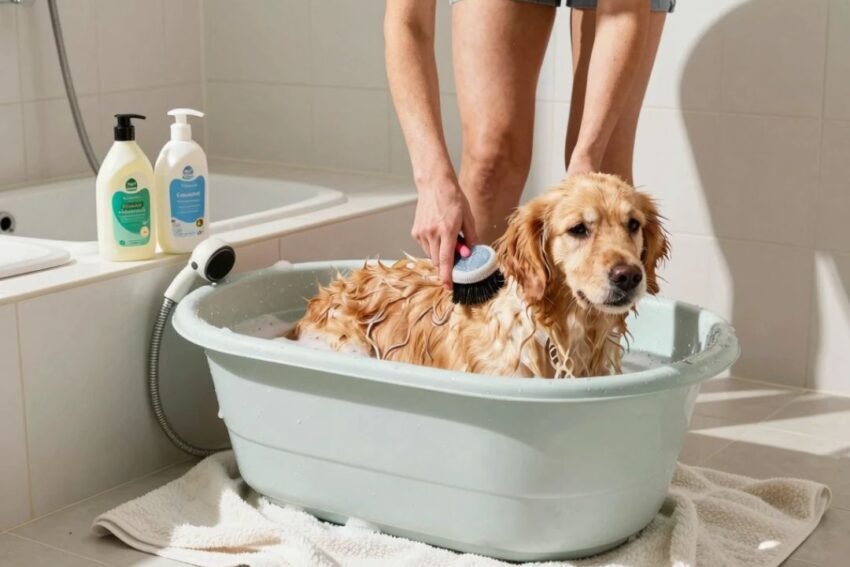
Learning how to groom your pet at home can make everyday pet care easier, more affordable, and more comfortable for both owners and animals. Regular grooming helps keep pets clean while supporting healthy skin, coats, nails, teeth, ears, and paws.
Dogs, cats, and other pets have different grooming needs. Some animals may only require occasional brushing and nail care, while long-haired pets may need frequent grooming to prevent tangles and mats. Puppies and kittens also need gradual introductions to grooming so they learn to feel comfortable with handling.
Home grooming does not mean that professional grooming or veterinary care is never necessary. Severe mats, difficult nail trimming, specialized haircuts, and health-related skin or coat problems may require professional assistance.
This guide explains easy pet grooming at home, including brushing, bathing, nail care, dental hygiene, ear checks, paw care, grooming tools, and practical ways to make grooming a positive experience.
Why Groom Your Pet at Home?
Home grooming offers several benefits when performed safely.
Regular grooming can help:
- Keep your pet’s coat clean
- Remove loose hair
- Reduce tangles
- Prevent mats
- Support healthy skin
- Maintain comfortable nails
- Support dental hygiene
- Keep paws clean
- Help identify unusual skin changes
- Strengthen the bond between pet and owner
Home grooming also allows owners to become familiar with their pet’s normal appearance.
This can make it easier to notice changes such as lumps, redness, hair loss, parasites, or unusual odors.
What You Need for Home Pet Grooming
You do not need a large collection of grooming products.
A basic grooming kit may include:
- Appropriate brush
- Comb
- Pet-safe shampoo
- Towels
- Nail clippers or an appropriate nail grinder
- Pet toothbrush
- Pet-safe toothpaste
- Soft cleaning cloths
- Grooming wipes when appropriate
- Pet-safe ear-care products if recommended
- Non-slip bath mat
The exact tools depend on your pet’s species and coat type.
Always choose products specifically designed for animals.
1. Choose the Right Grooming Brush
The first step is selecting a brush that matches your pet’s coat.
Common grooming tools include:
Bristle Brushes
Useful for some short or smooth coats.
Slicker Brushes
Can help remove loose hair and certain tangles from suitable coats.
Combs
Useful for checking for small tangles and grooming certain long-haired pets.
Deshedding Tools
Designed to remove loose undercoat from some pets.
Grooming Gloves
Can be useful for gentle grooming of some short-haired animals.
If you are unsure which brush to use, ask a professional groomer or veterinarian for guidance.
2. Start With Gentle Brushing
Brushing should be calm and comfortable.
Start with areas your pet already allows you to touch.
Use gentle strokes and avoid pulling the hair.
If you encounter a small tangle, work slowly from the outer part of the knot rather than pulling aggressively.
For severe mats, do not attempt risky cutting close to the skin. Professional grooming may be safer.
3. Create a Regular Brushing Schedule
The ideal schedule depends on your pet’s coat.
Short-Haired Pets
Brushing several times a week may be enough for some animals.
Long-Haired Pets
Daily or frequent brushing may be necessary to prevent mats.
Curly or Dense Coats
These may require more specialized and frequent grooming.
Regular brushing is easier than trying to remove a large amount of tangled hair later.
4. Prepare for Bath Time
Bathing is easier when everything is prepared before your pet enters the water.
Have ready:
- Pet-safe shampoo
- Towels
- Warm water
- Non-slip surface
- Brush
- Clean drying area
Keep the environment calm.
Never leave your pet unattended around water.
5. Use Pet-Safe Shampoo
Avoid using regular human shampoo on pets.
Animal skin has different characteristics, and products designed for humans may cause irritation.
Choose a shampoo appropriate for your pet.
Options may include products for:
- Sensitive skin
- General cleaning
- Dry skin
- Odor control
- Specific veterinary conditions
If your pet has persistent skin problems, ask a veterinarian before choosing specialized or medicated products.
6. How to Bathe Your Dog at Home
For dogs that need bathing, follow a simple process.
Step 1: Brush First
Remove loose hair and tangles before getting the coat wet.
Step 2: Prepare Warm Water
Use comfortably warm water rather than very hot or cold water.
Step 3: Wet the Coat
Gradually wet the body while avoiding the eyes and inside of the ears.
Step 4: Apply Shampoo
Massage pet-safe shampoo gently through the coat.
Step 5: Rinse Thoroughly
Remove all shampoo from the coat.
Step 6: Dry
Use towels and, if tolerated, an appropriate pet dryer.
Step 7: Reward Your Dog
Give praise or an appropriate reward for calm behavior.
7. How to Bathe a Cat at Home
Many healthy cats rarely need full baths because they naturally groom themselves.
However, certain situations may require bathing.
If a cat needs a bath:
- Prepare everything beforehand.
- Keep handling gentle.
- Use pet-safe shampoo.
- Avoid the eyes and ears.
- Rinse thoroughly.
- Dry the cat carefully.
- Keep the environment calm.
Cats can become stressed during bathing, so professional assistance may be appropriate if the animal is extremely frightened or difficult to handle safely.
8. Dry Your Pet Properly
Drying is an important part of home grooming.
Use clean towels to remove excess water.
If using a dryer, use a suitable setting and avoid excessive heat.
Dense and long coats may take longer to dry.
Make sure moisture is not trapped against the skin, particularly in areas with thick fur.
9. Trim Your Pet’s Nails Carefully
Nail trimming can be one of the most challenging home grooming tasks.
Pet nails contain sensitive tissue, so cutting too far can cause pain and bleeding.
Before trimming:
- Learn the correct nail structure.
- Use suitable nail clippers.
- Keep your pet calm.
- Trim small amounts.
- Reward cooperation.
If your pet strongly resists nail trimming, professional assistance may be safer.
10. Make Nail Care a Gradual Process
If your pet is afraid of nail clippers, do not immediately attempt a full nail-trimming session.
Instead:
- Touch the paws gently.
- Reward calm behavior.
- Show the grooming tool.
- Let your pet become familiar with its presence.
- Touch the tool to the paw without trimming.
- Gradually begin trimming small amounts.
Short sessions can help reduce fear.
11. Brush Your Pet’s Teeth
Dental hygiene can be maintained at home with appropriate products.
Use a toothbrush and toothpaste specifically designed for pets.
Never use ordinary human toothpaste unless specifically directed by a veterinary professional.
Introduce tooth brushing gradually.
Start by allowing your pet to become comfortable with having the mouth and gums gently handled.
Veterinary dental examinations remain important even when owners perform regular home dental care.
12. Check Your Pet’s Ears
You can regularly inspect your pet’s ears at home.
Look for:
- Redness
- Swelling
- Excessive wax
- Unusual odor
- Discharge
- Scratching
- Head shaking
Do not insert cotton swabs deep into the ear canal.
If the ear looks painful or infected, stop home cleaning and seek veterinary advice.
13. Clean the Eye Area Carefully
Some pets naturally have small amounts of discharge around their eyes.
A soft, clean, damp cloth can sometimes be used to gently clean the surrounding area.
Avoid applying products directly to the eye unless they are specifically intended for that purpose.
Seek veterinary care for persistent discharge, redness, swelling, cloudiness, squinting, or obvious pain.
14. Clean Your Pet’s Paws
Paw cleaning is useful after outdoor activities.
Check for:
- Dirt
- Small stones
- Cuts
- Cracks
- Irritation
- Foreign objects
Gently clean the paws when necessary.
Pay particular attention during very hot, cold, or otherwise harsh weather.
15. Check for Fleas and Ticks
Regular home grooming provides an opportunity to inspect your pet for external parasites.
Check areas such as:
- Around the ears
- Neck
- Belly
- Legs
- Between toes
- Around the tail
If you find fleas or ticks, contact a veterinarian or use an appropriate veterinary-approved treatment.
Never assume a parasite product is safe for every species.
Some products that are suitable for dogs can be dangerous to cats.
16. Groom Long-Haired Pets More Frequently
Long-haired pets generally need more grooming than short-haired animals.
Important areas include:
- Behind the ears
- Around the neck
- Under the legs
- Belly
- Tail
- Hindquarters
Regular brushing helps prevent mats.
If the coat becomes severely matted, professional grooming is usually safer than attempting complicated cutting at home.
17. Groom Short-Haired Pets Too
Short-haired pets still need grooming.
Regular brushing can remove loose hair and provide an opportunity to inspect the skin.
Look for:
- Fleas
- Ticks
- Redness
- Hair loss
- Lumps
- Scabs
- Wounds
Short hair does not eliminate the need for hygiene checks.
18. Groom Puppies and Kittens Gradually
Young pets should learn that grooming is a normal part of life.
Start with very short sessions.
Practice:
- Touching paws
- Brushing
- Looking at teeth
- Handling ears
- Touching the face
- Introducing grooming tools
Use praise and appropriate rewards.
Avoid forcing a frightened puppy or kitten through a long grooming session.
19. Make Grooming a Positive Experience
Some pets become nervous when they see grooming tools.
Positive reinforcement can help.
Try to:
- Keep sessions short.
- Use calm movements.
- Offer rewards.
- Take breaks.
- Avoid punishment.
- End sessions positively.
- Increase grooming time gradually.
Your pet should learn that grooming is predictable and safe.
20. Keep Grooming Tools Clean
Grooming equipment should be cleaned regularly.
Brushes, combs, nail tools, and other equipment can collect hair, dirt, oils, and microorganisms.
Clean tools according to their material and the manufacturer’s instructions.
Store them somewhere dry and clean.
21. Keep Your Pet’s Bedding Clean
Pet hygiene also involves the environment.
Wash bedding regularly to remove:
- Hair
- Dirt
- Odors
- Skin flakes
- Moisture
Allow bedding to dry completely before your pet uses it again.
A clean sleeping area contributes to better overall hygiene.
22. Clean Food and Water Bowls
Food and water bowls should be cleaned frequently.
Food residue and moisture can accumulate over time.
Provide fresh drinking water regularly and keep feeding areas clean.
If multiple pets share a household, monitor feeding areas to ensure each animal has appropriate access to food and water.
23. Clean Pet Toys
Toys can also collect dirt and saliva.
Regularly inspect toys for:
- Dirt
- Damage
- Strong odors
- Loose pieces
- Accumulated residue
Clean toys according to their material and manufacturer instructions.
Discard damaged toys that could become a safety hazard.
24. Keep the Home Grooming Area Safe
Choose a calm and secure location for grooming.
The area should have:
- Good lighting
- A stable surface
- Suitable temperature
- Easy access to supplies
- Minimal distractions
Use a non-slip surface when bathing or grooming.
Never leave a pet unattended on an elevated grooming surface.
25. When You Should Not Groom at Home
Some situations require professional help.
Seek assistance if:
- The coat is severely matted.
- Your pet is extremely stressed.
- Nail trimming is unsafe.
- Your pet becomes aggressive because of pain or fear.
- A skin condition is present.
- There is an unexplained wound.
- Ear problems are severe.
- Your pet requires a specialized haircut.
A professional groomer can handle many grooming challenges safely, while a veterinarian should address medical problems.
26. When to Contact a Veterinarian
Grooming should not replace veterinary care.
Contact a veterinarian if you notice:
- Persistent itching
- Severe hair loss
- Skin redness
- Open wounds
- Swelling
- Persistent bad odor
- Ear discharge
- Eye problems
- Severe dental issues
- Unexplained lumps
- Persistent parasites
- Sudden changes in grooming behavior
Early evaluation can help identify problems before they become more serious.
Simple Weekly Pet Grooming Routine
A simple home routine can make grooming manageable.
Monday
Brush the coat and check for tangles.
Tuesday
Check paws, ears, and eyes.
Wednesday
Brush again and inspect the skin.
Thursday
Check nail length and dental condition.
Friday
Brush the coat and inspect for parasites.
Weekend
Perform bathing or other grooming tasks if needed.
This schedule is only an example. Your pet may need more or less frequent care depending on its individual needs.
Home Pet Grooming Checklist
Use this checklist to keep grooming organized:
- Brush the coat
- Check for mats
- Check skin condition
- Inspect ears
- Check eyes
- Clean paws
- Check nails
- Maintain dental care
- Check for parasites
- Bathe when necessary
- Dry the coat properly
- Clean bedding
- Clean food and water bowls
- Clean grooming tools
- Inspect toys
- Schedule professional grooming when needed
Common Home Grooming Mistakes
Using Human Shampoo
Always choose products made for pets.
Cutting Mats With Scissors
Cutting close to the skin can cause serious injuries.
Trimming Nails Too Short
This can cause pain and bleeding.
Over-Bathing
Frequent unnecessary bathing may irritate the skin.
Ignoring Dental Care
Coat grooming does not replace oral hygiene.
Forcing a Frightened Pet
This can make future grooming more difficult.
Ignoring Health Symptoms
Persistent skin, ear, eye, dental, or coat problems require professional attention.
Final Tips for Successful Home Pet Grooming
For easier and safer grooming:
- Start grooming when your pet is calm.
- Use the correct tools.
- Keep sessions short.
- Reward cooperation.
- Brush regularly.
- Bathe only when necessary.
- Trim nails carefully.
- Maintain dental hygiene.
- Check ears and eyes regularly.
- Keep paws clean.
- Inspect for parasites.
- Keep bedding and bowls clean.
- Never use unsafe grooming products.
- Seek professional help when necessary.
- Contact a veterinarian about unusual symptoms.
Conclusion
Learning how to groom your pet at home can make everyday pet care easier and help maintain good hygiene between professional grooming appointments. Regular brushing, appropriate bathing, nail care, dental hygiene, ear checks, eye-area cleaning, paw care, and parasite inspections are all important parts of a complete grooming routine.
The key is to make grooming consistent, gentle, and appropriate for your pet’s individual needs. Long-haired animals may need frequent brushing, while short-haired pets may require less coat maintenance. Puppies and kittens should be introduced to grooming gradually so they learn to remain comfortable during handling.
Home grooming should always be performed safely. Use pet-specific products, avoid aggressive handling, and never attempt complicated grooming procedures if you are unsure.
Professional groomers can help with severe mats, specialized haircuts, difficult nail trimming, and other challenging tasks. Veterinarians should handle medical concerns such as persistent itching, skin infections, ear problems, dental disease, wounds, or unexplained changes in your pet’s condition.
With patience and a consistent pet grooming routine, owners can help their animals stay clean, comfortable, and healthy while building a stronger bond with them.