Introduction
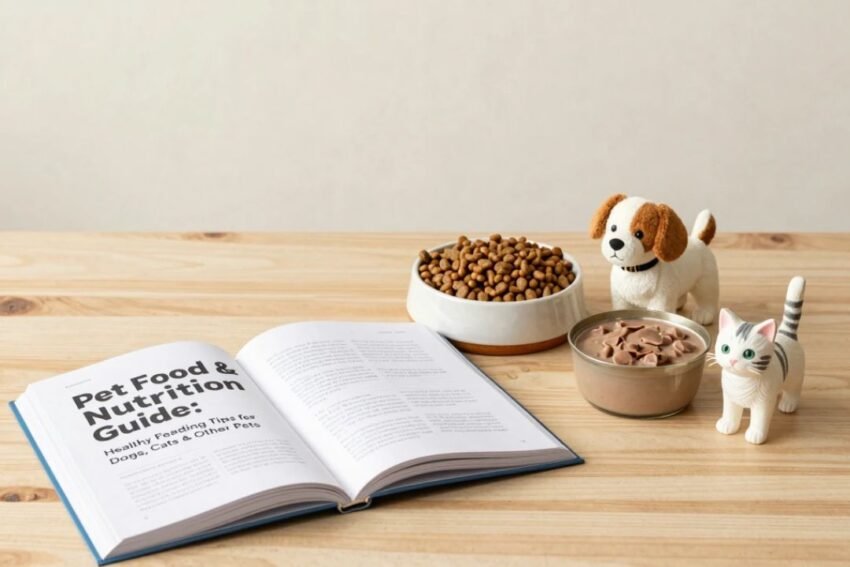
Proper nutrition is one of the most important parts of responsible pet ownership. The food a pet eats affects its growth, energy, immune system, muscles, bones, skin, coat, and overall quality of life. Whether you have a dog, cat, rabbit, bird, or another companion animal, providing an appropriate and balanced diet is essential for long-term health.
However, choosing the right pet food and nutrition can sometimes feel confusing. Pet food labels contain many ingredients, different products are designed for different life stages, and every animal has individual nutritional needs.
A growing puppy does not have exactly the same nutritional requirements as an adult dog. Similarly, kittens, adult cats, and senior cats may need different diets. Health conditions, activity levels, size, breed, and lifestyle can also influence feeding requirements.
This pet food and nutrition guide explains the basics of healthy pet feeding, essential nutrients, food choices, feeding routines, common mistakes, and practical tips for helping your pet maintain a healthy diet.
Why Pet Nutrition Matters
Good nutrition provides the foundation for a pet’s health.
A balanced diet can support:
- Healthy growth
- Strong muscles
- Healthy bones
- Normal energy levels
- Immune function
- Skin and coat health
- Healthy digestion
- Maintaining an appropriate body weight
- Overall well-being
Poor nutrition or excessive feeding can contribute to nutritional deficiencies, unhealthy weight gain, or other health problems.
The goal is not simply to give your pet enough food. The goal is to provide the right nutrients in appropriate amounts.
What Is a Balanced Pet Diet?
A balanced pet diet provides the nutrients an animal needs in appropriate proportions.
Depending on the species, important nutrients may include:
- Protein
- Fat
- Carbohydrates
- Vitamins
- Minerals
- Water
- Essential fatty acids
- Other species-specific nutrients
The exact nutritional requirements differ between animals.
Dogs and cats, for example, should not automatically be fed the same type of diet because cats have nutritional requirements that differ from those of dogs.
Protein in Pet Food
Protein is an important nutrient for many companion animals.
It provides amino acids needed for:
- Muscle development
- Tissue maintenance
- Growth
- Repair
- Normal body functions
Animal-based protein sources can include ingredients such as chicken, turkey, beef, fish, or eggs, depending on the food.
Plant ingredients can also contribute protein, but the nutritional value of a complete diet depends on the overall formulation.
Growing animals may have different protein requirements from mature pets, so age-appropriate food is important.
Healthy Fats for Pets
Fats provide concentrated energy and support several important body functions.
Dietary fats can help support:
- Skin health
- Coat condition
- Energy
- Cell function
- Absorption of certain vitamins
Some essential fatty acids, including omega-3 and omega-6 fatty acids, are important components of appropriate pet diets.
However, more fat is not always better. Excess calories can contribute to unhealthy weight gain.
Carbohydrates in Pet Food
Carbohydrates can provide energy and may contribute other useful nutrients depending on the ingredient.
Dogs can generally digest and utilize properly prepared carbohydrates, while cats have different nutritional physiology and dietary requirements.
The quality and overall formulation of a pet food matter more than judging a food based on one ingredient alone.
Vitamins and Minerals
Vitamins and minerals are needed for many biological processes.
They can support:
- Bone health
- Immune function
- Metabolism
- Nerve function
- Muscle function
- Normal growth
A complete and balanced commercial pet food is generally formulated to provide required nutrients when fed appropriately.
Pet owners should be cautious about adding vitamin or mineral supplements without professional guidance because excessive amounts of some nutrients can also cause problems.
Water: The Most Important Nutrient
Water is essential for every pet.
Fresh, clean water should generally be available at all times unless a veterinarian has provided different instructions.
Adequate hydration supports:
- Normal body temperature
- Digestion
- Circulation
- Kidney function
- Cellular processes
Some pets may drink more when eating dry food, while wet food can contribute additional moisture.
Monitor your pet’s normal drinking habits and discuss major changes with a veterinarian.
Choosing the Right Pet Food
Choosing pet food should begin with your animal’s individual needs.
Consider:
- Species
- Age
- Size
- Activity level
- Body condition
- Health status
- Dietary sensitivities
- Life stage
For example, puppy and kitten foods are formulated for growth, while adult maintenance foods are designed for mature animals.
Senior pets may have different nutritional needs depending on their health and lifestyle.
Dry Pet Food
Dry food is a popular option for many dogs and cats.
Potential advantages include:
- Convenient storage
- Easy portioning
- Long shelf life after opening
- Simple feeding
- Often lower cost per serving than some alternatives
However, individual products vary significantly in nutritional composition.
Always choose a food appropriate for your pet’s species and life stage.
Wet Pet Food
Wet food contains a high proportion of moisture and can be useful for pets that prefer softer food.
Potential benefits include:
- Higher moisture content
- Strong aroma and taste
- Softer texture
- Useful option for some pets with dental or appetite considerations
Wet and dry foods can sometimes be combined, provided the overall diet remains nutritionally appropriate and portions are adjusted.
Homemade Pet Food
Some owners prefer preparing food at home.
However, homemade diets can become nutritionally incomplete if they are not carefully formulated.
A diet that appears healthy to humans may not provide the nutrients required by a particular animal.
If you want to feed a homemade diet regularly, consider working with a veterinarian or qualified veterinary nutrition professional to ensure that the diet meets your pet’s nutritional needs.
Raw Pet Food Diets
Raw feeding is a topic of ongoing discussion among pet owners.
Some people choose raw diets because they believe they are more natural. However, raw foods can present risks involving harmful microorganisms and nutritional imbalance if the diet is not properly formulated and handled.
There may also be risks to people in the household.
If you are considering a raw diet, discuss the potential benefits and risks with a veterinarian.
How Much Food Should a Pet Eat?
The correct amount depends on several factors.
These can include:
- Body size
- Age
- Activity
- Metabolism
- Health
- Food calorie density
- Body condition
Feeding instructions on pet food packaging can provide a useful starting point, but they are not necessarily perfect for every individual animal.
Monitor your pet’s body condition and adjust feeding when appropriate with professional guidance.
Understanding Pet Food Labels
Learning how to read a pet food label can make shopping easier.
Pay attention to:
- Intended species
- Life stage
- Feeding directions
- Ingredient list
- Guaranteed analysis
- Calorie information when available
- Manufacturer information
Do not judge a food entirely by the first few ingredients.
A complete diet is formulated based on the nutritional contribution of all ingredients, not simply the popularity of individual ingredients.
Ingredients and Pet Food Quality
Pet owners often focus heavily on specific ingredients.
While ingredient quality matters, the overall nutritional formulation is also important.
Consider whether the product is appropriate for your pet and whether it provides the nutrients needed for its life stage.
Terms such as “natural,” “premium,” or “holistic” can be marketing terms and do not automatically prove that a food is nutritionally superior.
Look for clear nutritional information and reliable manufacturers.
Feeding Puppies and Kittens
Young animals have different nutritional requirements from adults.
Puppies and kittens need diets that support growth and development.
Important considerations include:
- Appropriate puppy or kitten food
- Correct meal portions
- Regular feeding schedules
- Fresh water
- Monitoring growth
- Avoiding excessive treats
Large-breed puppies may have particularly important nutritional considerations because excessive growth can contribute to skeletal problems.
Discuss feeding requirements with a veterinarian.
Feeding Adult Dogs and Cats
Adult pets generally need a diet that supports maintenance rather than rapid growth.
A good adult feeding routine should include:
- Appropriate food
- Measured portions
- Fresh water
- Consistent meal times
- Appropriate treats
- Regular weight monitoring
Avoid automatically increasing food simply because your pet appears hungry.
Some pets are highly food-motivated and may continue asking for food even after receiving enough calories.
Feeding Senior Pets
Older animals may experience changes in activity, metabolism, dental health, and medical needs.
Some senior pets may benefit from dietary adjustments, but there is no single diet that is ideal for every older pet.
Senior feeding decisions should consider the individual animal’s:
- Weight
- Activity
- Dental health
- Kidney health
- Digestive health
- Other medical conditions
Veterinary guidance can be particularly valuable for senior pets.
Treats and Snacks
Treats can be useful for training and bonding, but excessive treats can contribute unnecessary calories.
Good habits include:
- Using small portions
- Choosing appropriate treats
- Including treats in the daily calorie budget
- Avoiding excessive table scraps
Treats should complement the main diet rather than replace a balanced food.
Human Foods Pets Should Avoid
Not all human foods are safe for animals.
Depending on the species, certain foods can be dangerous.
Examples of foods that can pose serious risks to dogs and cats include:
- Chocolate
- Onions
- Garlic
- Alcohol
- Certain artificial sweeteners such as xylitol
- Excessively fatty foods
- Certain toxic plants or foods
Grapes and raisins can also be dangerous for dogs.
Because toxicity can vary by animal and amount consumed, contact a veterinarian or appropriate animal poison service if you suspect your pet has eaten something potentially harmful.
Food Allergies and Sensitivities
Some pets can develop food allergies or sensitivities.
Possible signs may include:
- Itching
- Skin irritation
- Ear problems
- Digestive issues
- Vomiting
- Diarrhea
These symptoms can have many possible causes, so owners should not automatically assume that food is responsible.
A veterinarian can help determine the cause and recommend an appropriate elimination diet or other diagnostic approach when necessary.
Preventing Pet Obesity
Overfeeding is a common nutritional concern.
Excess body weight can negatively affect a pet’s mobility and overall health.
To support a healthy weight:
- Measure meals
- Limit excessive treats
- Encourage appropriate exercise
- Monitor body condition
- Avoid frequent table scraps
- Reassess portions as activity changes
Regular weight checks can help identify gradual changes before they become significant.
Common Pet Feeding Mistakes
Some common mistakes include:
- Feeding too many treats
- Giving oversized portions
- Changing food suddenly
- Ignoring water intake
- Feeding inappropriate human foods
- Using supplements unnecessarily
- Choosing food based only on marketing
- Ignoring life-stage requirements
- Not monitoring body condition
Small improvements in feeding habits can make a significant difference over time.
How to Change Your Pet’s Food Safely
Suddenly changing a pet’s food can sometimes cause digestive problems.
When possible, transition gradually by mixing increasing amounts of the new food with the old food over several days.
Monitor your pet for:
- Vomiting
- Diarrhea
- Refusal to eat
- Excessive gas
- Other unusual symptoms
If significant digestive problems occur, contact your veterinarian.
Creating a Healthy Feeding Routine
A consistent feeding routine can make pet care easier.
A healthy routine may include:
- Measure the correct portion.
- Feed at consistent times.
- Provide fresh water.
- Remove uneaten food when appropriate.
- Monitor appetite.
- Keep treats controlled.
- Track body condition.
- Adjust feeding when necessary.
Consistency also makes it easier to notice changes in appetite.
When to Talk to a Veterinarian
Professional advice is important when your pet experiences significant changes in eating or drinking.
Contact a veterinarian if your pet:
- Suddenly refuses food
- Loses or gains weight unexpectedly
- Has persistent vomiting
- Has ongoing diarrhea
- Drinks much more or less than usual
- Shows difficulty chewing
- Develops persistent itching
- Becomes unusually tired
- Has other concerning symptoms
Changes in appetite can sometimes be an early sign of an underlying health problem.
Final Thoughts
Providing proper pet food and nutrition is one of the most important responsibilities of pet ownership. A balanced diet supports growth, energy, immune function, healthy skin and coat, strong muscles, and overall well-being.
The best diet depends on the individual animal. Species, age, size, activity level, body condition, and health status should all be considered when selecting food.
Whether you choose dry food, wet food, or another appropriate feeding approach, focus on nutritional adequacy rather than marketing claims alone. Provide fresh water, measure portions, control treats, and monitor your pet’s weight and appetite.
Avoid making major dietary changes without considering your pet’s individual needs, and seek veterinary advice when your pet develops persistent digestive problems, unusual appetite changes, weight changes, or other health concerns.
Ultimately, healthy pet nutrition is about consistency, balance, and understanding what your individual companion needs. By choosing appropriate food and developing healthy feeding habits, you can help your pet enjoy a healthier, more active, and happier life.