Introduction
Pet grooming is becoming an increasingly important part of modern pet care. In 2026, pet owners are paying more attention not only to how their dogs, cats, and other companion animals look, but also to their skin, coat, dental health, nails, paws, hygiene, comfort, and overall wellness.
Modern pet grooming trends are moving beyond traditional bathing and haircuts. Owners are becoming more interested in gentle grooming techniques, healthier coats, better dental care, specialized products, professional services, convenient home-grooming tools, and personalized routines.
Regular grooming can also help owners notice potential health changes earlier. Problems such as unusual hair loss, skin irritation, parasites, dental issues, lumps, ear problems, and changes in coat condition may become easier to identify during routine grooming.
This guide explores the major pet grooming trends in 2026, including healthy coat care, dental hygiene, natural grooming products, smart grooming tools, professional services, home grooming, parasite prevention, and better hygiene routines.
Why Pet Grooming Matters in 2026
Pet grooming is not simply about making an animal look attractive.
A consistent grooming routine can help:
- Keep coats clean
- Remove loose hair
- Prevent tangles and mats
- Support healthy skin
- Maintain comfortable nails
- Improve dental hygiene
- Keep paws clean
- Reduce unpleasant odors
- Identify parasites
- Detect unusual physical changes
- Improve overall comfort
Grooming can also strengthen the relationship between pets and their owners when it is performed gently and positively.
1. Health-Focused Grooming
One of the biggest trends in pet grooming is a stronger focus on health.
Instead of grooming only for appearance, owners are increasingly using grooming sessions as opportunities to monitor their pets.
During grooming, owners can check for:
- Skin redness
- Hair loss
- Lumps
- Wounds
- Parasites
- Dry skin
- Unusual odors
- Ear problems
- Dental concerns
Grooming does not replace veterinary examinations, but regular observation can help owners notice changes sooner.
2. Healthy Coat Care
A healthy coat is an important part of a pet’s overall appearance and comfort.
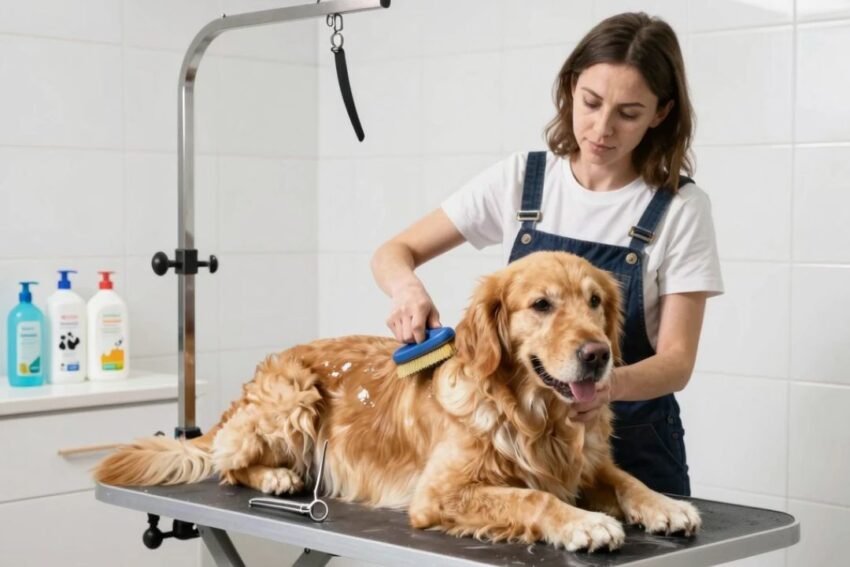
Regular brushing can remove loose hair, dirt, and debris while helping distribute natural oils through the coat.
The right grooming routine depends on coat type.
Short Coats
Short-haired pets may require less frequent brushing but can still benefit from regular coat care.
Long Coats
Long-haired pets often require frequent brushing to prevent tangles and mats.
Curly or Dense Coats
Curly and thick coats may require specialized grooming tools and professional maintenance.
3. Better Brushing Tools
Grooming tools are becoming more specialized.
Pet owners can choose from products such as:
- Slicker brushes
- Bristle brushes
- Grooming combs
- Undercoat tools
- Deshedding brushes
- Grooming gloves
- Detangling tools
The best tool depends on the animal’s coat.
Using the wrong brush can make grooming uncomfortable, so owners should choose tools appropriate for their pet’s coat type.
4. Gentle and Stress-Free Grooming
Another important pet grooming trend in 2026 is low-stress grooming.
Some pets become anxious during brushing, bathing, nail trimming, or professional grooming.
Modern grooming approaches increasingly emphasize:
- Gentle handling
- Short sessions
- Positive reinforcement
- Calm environments
- Gradual introduction to tools
- Regular breaks
Instead of forcing a pet through grooming, owners can gradually teach animals to tolerate and even accept grooming routines.
5. Natural and Pet-Safe Grooming Products
Many pet owners are becoming more interested in grooming products with simple ingredient profiles.
Products may include:
- Pet-safe shampoos
- Coat conditioners
- Grooming wipes
- Paw cleaners
- Ear-care products
- Dental products
However, “natural” does not automatically mean safe.
Pet owners should always choose products specifically formulated for the animal’s species and follow usage instructions.
Human shampoos and personal-care products should generally not be substituted for appropriate pet grooming products.
6. Skin-Friendly Grooming
Healthy skin is an important part of good grooming.
Pet owners are paying greater attention to:
- Dry skin
- Itching
- Redness
- Flaking
- Sensitivity
- Excessive oil
- Skin odor
Over-bathing can sometimes contribute to skin irritation.
The appropriate bathing schedule depends on the pet’s species, coat, lifestyle, and individual needs.
Pets with persistent skin problems should be evaluated by a veterinarian rather than treated only with grooming products.
7. Advanced Dental Care
Dental hygiene is becoming a more important part of pet grooming.
Poor oral hygiene can contribute to plaque, tartar, bad breath, gum problems, and dental discomfort.
Pet owners may use:
- Pet toothbrushes
- Pet toothpaste
- Dental treats
- Dental chews
- Veterinary-recommended dental diets
Professional veterinary dental care remains important.
Human toothpaste should not be used on pets unless specifically recommended by a veterinary professional.
8. Regular Nail Care
Nail care remains an essential part of pet hygiene.
Overgrown nails can become uncomfortable and may interfere with normal movement.
Regular nail checks can help prevent:
- Broken nails
- Pain
- Nail injuries
- Difficulty walking
- Changes in posture
Owners can trim nails at home if they understand the correct technique and have suitable equipment.
Professional grooming is a good option for pets that strongly resist nail trimming.
9. Better Paw Care
Paw care is receiving more attention, particularly for active dogs.
Outdoor activities can expose paws to:
- Dirt
- Small stones
- Rough surfaces
- Hot pavement
- Cold conditions
- Irritating substances
Owners can inspect paws after walks and clean them when necessary.
Regular paw checks can also help identify cuts, cracked pads, swelling, or foreign objects.
10. Ear and Eye Hygiene
Regular observation of ears and eyes is another important grooming habit.
Owners should watch for:
- Redness
- Swelling
- Discharge
- Unusual odors
- Excessive scratching
- Frequent head shaking
- Persistent eye discharge
- Squinting
Do not insert objects deep into the ears.
Persistent or painful symptoms should be evaluated by a veterinarian.
11. Professional Pet Grooming Services
Professional grooming continues to be popular, especially for pets with complex coats.
Professional groomers can provide:
- Bathing
- Haircuts
- Coat trimming
- Nail care
- Brushing
- De-matting
- Basic hygiene services
Long-haired and high-maintenance breeds may benefit particularly from professional grooming.
Owners should choose groomers who prioritize safe handling and appropriate animal-care practices.
12. At-Home Grooming Is Growing
Many pet owners are also choosing to handle basic grooming at home.
At-home grooming can include:
- Brushing
- Basic bathing
- Nail checks
- Paw cleaning
- Coat inspection
- Dental care
- Ear observation
Home grooming can be convenient and may help pets become comfortable with regular handling.
However, owners should not attempt complicated procedures without appropriate knowledge.
13. Smart Grooming Tools
Technology is increasingly influencing pet care.
Some modern pet-care products can help owners manage routines and monitor aspects of their pets’ daily lives.
Examples may include:
- Smart pet brushes
- Automated cleaning devices
- Digital grooming reminders
- Smart feeders
- Pet activity trackers
- Health-monitoring applications
Technology can make routines more organized, but it should complement rather than replace responsible observation and veterinary care.
14. Personalized Grooming Routines
Not every pet needs the same grooming schedule.
Personalized grooming is becoming more important because factors such as these can influence grooming needs:
- Breed
- Coat type
- Age
- Activity level
- Lifestyle
- Skin condition
- Health
- Seasonal changes
For example, a long-haired indoor cat may require a different grooming routine from an active short-haired dog.
Creating a schedule based on the individual animal is usually more effective than following a generic routine.
15. Seasonal Pet Grooming
Grooming needs can change throughout the year.
Spring
Shedding may increase for some animals, making regular brushing particularly useful.
Summer
Owners may focus on keeping coats clean and checking paws after outdoor activities.
Fall
Seasonal shedding can again increase in some pets.
Winter
Dry indoor air and cold weather may require extra attention to skin and paws.
Seasonal grooming should always be appropriate for the individual pet.
16. Better Shedding Management
Shedding is a natural process for many animals.
Instead of trying to eliminate shedding completely, owners can manage loose hair through:
- Regular brushing
- Appropriate deshedding tools
- Vacuuming
- Clean bedding
- Regular coat inspections
Different breeds and species shed at different rates.
Excessive or sudden hair loss, however, can be a sign of a health problem and may require veterinary evaluation.
17. Professional De-Matting
Severe coat matting is an important grooming concern.
Mats can pull on the skin and trap dirt and moisture.
Trying to cut severe mats at home can be dangerous because it is easy to accidentally cut the skin.
Professional groomers have specialized tools and experience for handling difficult coats.
Prevention through regular brushing remains the best strategy.
18. Pet Hygiene Beyond Grooming
Good hygiene also involves the pet’s environment.
Owners should regularly clean:
- Bedding
- Food bowls
- Water bowls
- Litter boxes
- Cages
- Toys
- Grooming equipment
- Feeding areas
A clean environment supports overall pet hygiene.
19. Eco-Friendly Grooming Choices
Sustainability is becoming relevant to pet care.
Some owners are looking for:
- Reusable grooming tools
- Durable brushes
- Reduced-plastic packaging
- Sustainable product materials
- Environmentally conscious cleaning products
Environmental considerations can be useful, but safety should always come first.
A sustainable product is not beneficial if it is unsuitable for the pet.
20. Better Parasite Prevention
Flea and tick prevention remains an essential part of pet hygiene.
Regular grooming gives owners a chance to inspect the coat.
Check areas such as:
- Around the ears
- Neck
- Belly
- Legs
- Between toes
- Tail
Veterinary-approved parasite prevention can help protect pets from external parasites.
Owners should never assume that a product safe for one species is safe for another.
21. Grooming Puppies and Kittens Early
Early grooming experiences can influence how pets respond to grooming as adults.
Young animals should gradually become familiar with:
- Brushing
- Paw handling
- Nail care
- Ear checks
- Face handling
- Grooming tools
- Bathing
Short sessions and positive reinforcement can make grooming less stressful.
22. Dental Grooming for Senior Pets
Older pets may need greater attention to dental hygiene.
Age can be associated with changes in dental condition, activity, coat quality, and overall health.
Senior pets should receive appropriate veterinary checkups, and owners should discuss dental-care routines with their veterinarian.
23. Grooming for Senior Pets
Senior animals may need gentler grooming.
Older pets may experience:
- Reduced flexibility
- Joint discomfort
- Thinner skin
- Changes in coat condition
- Reduced ability to self-groom
Grooming sessions should be comfortable and not unnecessarily long.
A soft surface and gentle handling can make grooming easier for older animals.
24. Grooming for Pets With Special Needs
Pets with mobility limitations, chronic conditions, or other special needs may require customized grooming.
Owners should consider:
- Shorter sessions
- Comfortable positioning
- Non-slip surfaces
- Gentle tools
- Professional assistance
- Veterinary recommendations
Safety should always come before appearance.
25. Better Grooming Education for Pet Owners
Another positive trend is increased access to pet-care information.
Owners can learn about:
- Coat types
- Brushing techniques
- Nail care
- Dental hygiene
- Bathing
- Ear care
- Parasite prevention
- Professional grooming
Reliable information can help owners make better decisions.
However, online information should not replace veterinary diagnosis or professional advice for health problems.
How to Build a Modern Pet Grooming Routine
A practical grooming routine can include:
Daily
- Observe coat and skin
- Check general cleanliness
- Monitor paws
- Provide appropriate dental care
Several Times a Week
- Brush the coat
- Check ears
- Inspect skin
- Look for tangles or parasites
Weekly
- Check nails
- Examine teeth and gums
- Clean grooming equipment
As Needed
- Bathe
- Trim nails
- Schedule professional grooming
- Address mats
- Clean paws
The exact frequency should be adjusted to the individual pet.
Common Pet Grooming Mistakes
Even with better grooming products, owners can make mistakes.
Avoid:
- Over-bathing
- Using human shampoo
- Cutting nails too short
- Pulling severe mats
- Ignoring dental care
- Using unsuitable parasite products
- Forcing frightened pets
- Ignoring skin problems
- Grooming only when the pet looks dirty
A consistent routine is generally better than occasional intensive grooming.
When to Contact a Veterinarian
Grooming can reveal health concerns that require professional attention.
Contact a veterinarian if you notice:
- Persistent itching
- Significant hair loss
- Severe redness
- Open wounds
- Unusual lumps
- Ear discharge
- Eye problems
- Severe bad breath
- Difficulty eating
- Persistent parasites
- Sudden changes in grooming behavior
Grooming products should not be used as substitutes for medical treatment.
The Future of Pet Grooming
The future of pet grooming is likely to focus increasingly on health, convenience, personalization, technology, and animal comfort.
Future developments may include:
- Smarter grooming devices
- More specialized coat-care products
- Personalized grooming plans
- Improved dental-care solutions
- Better parasite monitoring
- Sustainable grooming products
- Advanced professional grooming services
- Digital pet-care tracking
However, the fundamental principles will remain the same: regular grooming, safe handling, appropriate products, good hygiene, and professional veterinary care when needed.
Conclusion
Pet grooming trends in 2026 show a growing focus on complete animal wellness rather than appearance alone. Healthy coat care, dental hygiene, nail maintenance, paw care, parasite prevention, gentle grooming, and clean living environments are all becoming important parts of modern pet ownership.
Technology and specialized products can make grooming more convenient, while professional groomers can provide valuable support for complicated coats and difficult grooming tasks. At the same time, personalized routines can help owners adapt grooming practices to their pet’s breed, coat, age, lifestyle, and health needs.
The most important goal is not simply to make a pet look clean. Good grooming should help the animal remain comfortable, healthy, and well cared for.
By combining regular brushing, appropriate bathing, dental care, nail maintenance, parasite prevention, safe grooming tools, and veterinary support, pet owners can create a reliable hygiene routine that supports their animals throughout every stage of life.