If you have a picky dog, you already know how frustrating mealtime can be. One day your dog happily finishes every bite, and the next day they refuse to even smell the same food. I have experienced this with dogs, and I learned that the secret is not always buying expensive dog food. Sometimes, preparing fresh homemade meals is the easiest way to encourage a picky eater to enjoy food again.
The best homemade food for picky dogs is made with fresh, healthy ingredients that provide balanced nutrition while also tasting delicious. Homemade meals allow you to control every ingredient, avoid unnecessary fillers, and customize recipes based on your dog’s preferences.
In this guide, I will share everything I have learned about homemade food for picky dogs, including the best ingredients, recipes, feeding tips, and common mistakes to avoid.
Why Some Dogs Become Picky Eaters
Before changing your dog’s diet, it is important to understand why they may refuse food.
Some dogs simply have strong preferences, while others become picky because they receive too many treats throughout the day. Dental pain, digestive issues, stress, aging, or sudden changes in routine can also affect appetite.
If your dog suddenly stops eating for more than a day or shows signs of illness, visit your veterinarian before trying new recipes.
For healthy dogs, homemade meals can often make eating enjoyable again.
Benefits of Homemade Food for Picky Dogs
Making food at home offers several advantages.
You know exactly what your dog is eating.
Fresh ingredients usually smell and taste better than processed kibble.
You can avoid artificial flavors, preservatives, and unnecessary fillers.
Homemade meals allow you to adjust ingredients if your dog has allergies or food sensitivities.
Fresh cooked meals often contain higher moisture, making them easier to chew and digest.
Many picky dogs become excited at mealtime because homemade food has a stronger natural aroma.
Essential Nutrients Every Dog Needs
Although homemade food is healthier when prepared correctly, it still needs to provide complete nutrition.
A balanced meal should include quality protein, healthy carbohydrates, vegetables, healthy fats, vitamins, and minerals.
Protein supports muscles and body repair.
Carbohydrates provide energy.
Vegetables supply fiber and antioxidants.
Healthy fats improve skin, coat, and brain function.
Calcium is also important for strong bones.
When preparing homemade meals regularly, it is always wise to discuss supplements with your veterinarian to ensure nutritional balance.
Best Protein Sources for Picky Dogs
Protein is usually the favorite part of every meal.
Some excellent choices include:
Chicken breast
Turkey
Lean beef
Salmon
White fish
Eggs
Ground chicken
Ground turkey
Lamb in moderation
Cook all meat thoroughly without adding salt, onions, garlic, or heavy seasoning.
Dogs generally enjoy freshly cooked meat because of its rich aroma.
Healthy Carbohydrates Dogs Love
Carbohydrates provide long lasting energy.
Some of the best options include:
Brown rice
White rice
Sweet potatoes
Pumpkin
Oatmeal
Quinoa
Boiled potatoes
Rice is especially helpful for dogs with sensitive stomachs.
Sweet potatoes are rich in fiber and vitamins while offering a naturally sweet taste that many picky dogs enjoy.
Vegetables That Are Safe for Dogs
Vegetables add nutrition without excessive calories.
Good choices include:
Carrots
Green beans
Peas
Broccoli
Spinach
Pumpkin
Zucchini
Cook vegetables until they become soft because many dogs find them easier to chew.
Healthy Fats for Better Health
Healthy fats improve coat quality and support overall wellness.
Small amounts of fish oil
Flaxseed oil
Olive oil
Cooked salmon
These ingredients also make meals smell more appealing, encouraging picky eaters.
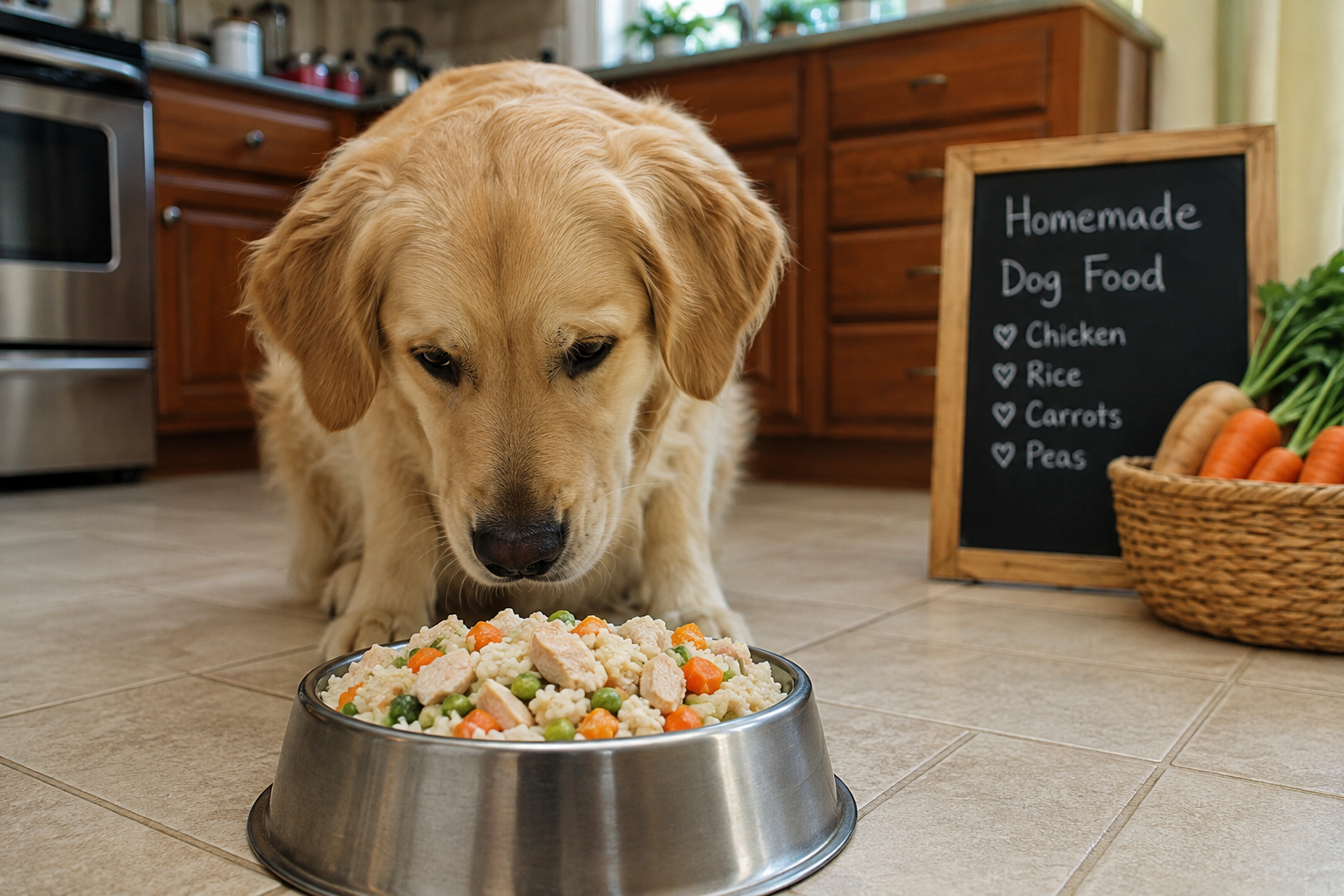
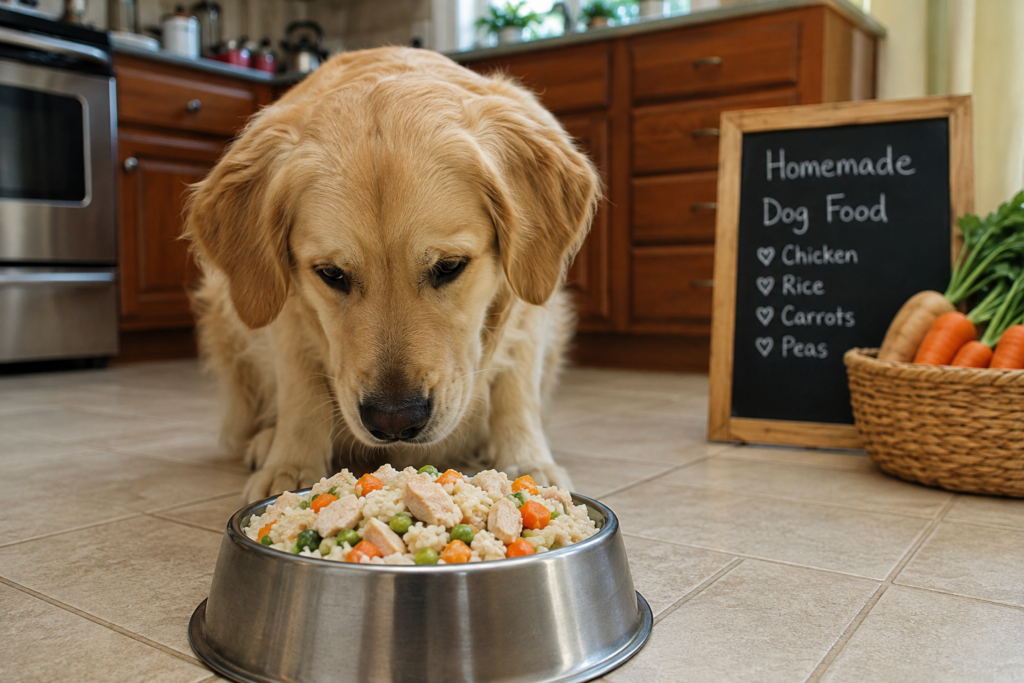
Homemade Chicken and Rice Recipe
This is one of my favorite meals for picky dogs because it is simple and gentle on digestion.
Ingredients
Two cups cooked chicken breast
One cup cooked white rice
Half cup cooked carrots
Half cup green beans
One teaspoon fish oil
Mix all ingredients together after cooling.
Serve according to your dog’s size.
Store leftovers in the refrigerator for up to three days.
Homemade Turkey and Sweet Potato Recipe
Many dogs love the natural sweetness of this meal.
Ingredients
Two cups ground turkey
One large sweet potato
Half cup peas
Half cup carrots
One teaspoon olive oil
Cook everything thoroughly.
Mash the sweet potato before mixing with the turkey and vegetables.
Allow it to cool before serving.
Beef and Pumpkin Homemade Meal
Lean beef creates an irresistible smell for picky dogs.
Ingredients
Two cups lean ground beef
One cup cooked pumpkin
One cup brown rice
Half cup spinach
Cook the beef until fully done.
Mix with cooked pumpkin, rice, and chopped spinach.
Serve after cooling.
Salmon and Rice Recipe
Salmon is packed with healthy omega fatty acids.
Ingredients
Two salmon fillets
One cup cooked rice
Half cup peas
Half cup carrots
Bake or boil the salmon until fully cooked.
Remove every bone carefully.
Mix with rice and vegetables before serving.
Scrambled Eggs for Fussy Dogs
Eggs make an excellent meal topper.
Cook plain scrambled eggs without butter or seasoning.
Mix small portions into regular food.
The smell often encourages picky dogs to finish their meals.
Foods Dogs Should Never Eat
While preparing homemade meals, avoid dangerous ingredients.
Never feed:
Chocolate
Grapes
Raisins
Onions
Garlic
Avocado
Alcohol
Coffee
Macadamia nuts
Cooked bones
Artificial sweeteners like xylitol
These foods can cause serious health problems.
Tips to Encourage a Picky Dog to Eat
Serve meals at the same time every day.
Limit treats between meals.
Warm homemade food slightly before serving because warm food releases a stronger aroma.
Feed in a quiet environment without distractions.
Do not leave food out all day.
Offer fresh water throughout the day.
Stay patient because some dogs need time to accept new foods.
Transitioning to Homemade Food
Never change your dog’s diet overnight.
Start by mixing twenty five percent homemade food with seventy five percent regular food.
Increase the homemade portion every few days.
Most dogs adjust within one week.
Slow transitions help prevent stomach upset.
How Much Homemade Food Should You Feed?
The amount depends on your dog’s age, weight, activity level, and health condition.
Small dogs require smaller portions than large breeds.
Active dogs usually need more calories than less active dogs.
Your veterinarian can help determine the ideal serving size based on your dog’s specific needs.
Common Mistakes Dog Owners Make
One mistake is feeding only meat without vegetables or carbohydrates.
Another mistake is adding salt, spices, onions, or garlic to meals.
Some owners forget portion control and accidentally overfeed their dogs.
Others fail to rotate ingredients, limiting nutritional variety.
Avoid these mistakes to keep your dog healthy.
Can Puppies Eat Homemade Food?
Yes, but puppies have different nutritional requirements than adult dogs.
Growing puppies require carefully balanced meals with enough calcium, protein, and vitamins.
If you want to feed homemade food to puppies regularly, consult your veterinarian or a veterinary nutritionist.
Is Homemade Food Better Than Commercial Dog Food?
Not always.
High quality commercial foods are designed to provide complete nutrition.
However, many picky dogs simply prefer the taste and smell of freshly cooked meals.
When homemade recipes are properly balanced, they can be an excellent option.
The key is ensuring your dog receives all essential nutrients.
Storage Tips
Store homemade meals in airtight containers.
Refrigerate for up to three days.
Freeze larger portions for future meals.
Always thaw frozen food safely in the refrigerator before serving.
Never feed spoiled food to your dog.
Final Thoughts
Finding the best homemade food for picky dogs takes a little patience, but the results are often worth the effort. Fresh chicken, turkey, beef, salmon, rice, sweet potatoes, pumpkin, and healthy vegetables can transform mealtime into something your dog actually looks forward to.
I always recommend starting with simple recipes and introducing new ingredients gradually. Pay attention to what your dog enjoys while making sure every meal remains balanced and nutritious. Homemade food is not just about making meals taste better. It is also about giving your dog wholesome ingredients that support long term health, energy, and happiness.
With the right combination of fresh protein, healthy carbohydrates, and vegetables, even the pickiest dog can begin enjoying mealtime again. A little extra effort in the kitchen can strengthen the bond between you and your pet while helping them live a healthier and more active life.