Bringing a new pet home is one of the most exciting experiences for any animal lover. Whether you have adopted a playful puppy, a curious kitten, a rabbit, or another small companion, having the right essentials makes the transition easier for both you and your pet. Many first time pet owners focus only on food and toys, but a happy and healthy pet needs much more than that.
This guide covers the essential supplies for first time pet owners so you can prepare your home, avoid common mistakes, and give your new companion the best possible start.
Why Buying the Right Pet Supplies Matters
Before your pet arrives, it is important to create a safe and comfortable environment. Pets experience stress when they move into a new home. Having everything ready helps them settle in faster and reduces anxiety.
The right supplies also make daily care easier. Feeding, grooming, training, and cleaning become simple when you have the proper equipment from the beginning.
Choose the Right Food
Food is the most important purchase for any new pet owner. Every animal has different nutritional needs depending on its age, size, and breed.
For puppies and kittens, choose food made specifically for growing pets. Adult animals require balanced nutrition that supports healthy muscles, bones, and energy levels.
Avoid changing food too quickly during the first few days because sudden changes may upset your pet’s stomach. If you plan to switch brands, do it gradually over one week.
Fresh food should always be paired with clean drinking water throughout the day.
Food and Water Bowls
A quality food bowl and water bowl are basic but essential supplies for first time pet owners.
Stainless steel bowls are often the best choice because they are durable, easy to clean, and resistant to bacteria. Ceramic bowls also work well if they have a non toxic coating.
Choose bowls that match your pet’s size. Small bowls are perfect for kittens and puppies, while larger breeds need deeper bowls.
Wash bowls daily to prevent bacteria from building up.
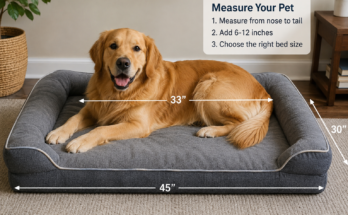
A Comfortable Bed
Every pet deserves a comfortable place to rest.
A soft pet bed gives your companion a sense of security and encourages better sleep. Pick a bed that is large enough for your pet to stretch comfortably.
If you have a puppy that enjoys chewing, choose a durable bed made from strong materials. Cats often enjoy soft beds placed near windows where they can relax while watching outside.
Wash bedding regularly to keep it clean and fresh.
Collar and Identification Tag
One of the most important supplies is a properly fitted collar with an identification tag.
The tag should include your pet’s name and your phone number. If your pet accidentally escapes, this simple item greatly increases the chances of a safe return.
The collar should fit comfortably. You should be able to slide two fingers between the collar and your pet’s neck.
Leash and Harness
If you own a dog, a strong leash and harness are essential.
Harnesses distribute pressure more evenly than collars, making walks safer and more comfortable, especially for puppies.
Choose a leash that provides enough freedom while keeping your pet under control.
Daily walks help improve physical health, reduce boredom, and strengthen the bond between you and your dog.
Pet Carrier
A pet carrier is useful for trips to the veterinarian, traveling, or emergencies.
Cats usually feel more secure inside enclosed carriers. Small dogs and rabbits also benefit from safe transport.
Choose a carrier with proper ventilation and enough room for your pet to stand, turn around, and lie down comfortably.
Place a familiar blanket inside to reduce stress during travel.
Crate for Training
Crate training is especially helpful for puppies.
A crate provides a secure space where your dog can relax and sleep. It also supports house training because dogs naturally avoid soiling their sleeping area.
The crate should be large enough for standing and turning around but not excessively large.
Never use the crate as punishment. It should always remain a positive and comfortable place.
Litter Box and Litter
If you are bringing home a cat, a litter box is one of the first things you should buy.
Choose a box that is large enough for your cat to move comfortably. Keep it in a quiet location away from food and water bowls.
Clean the litter box every day to encourage consistent use and reduce unpleasant odors.
Testing different litter types may help you find one your cat prefers.
Cleaning Supplies
Accidents happen, especially during the first few weeks.
Stock up on pet safe cleaning products designed to remove stains and odors completely.
Paper towels, disposable gloves, and enzyme based cleaners are excellent additions to your pet supply collection.
Keeping your home clean also helps prevent bacteria and unpleasant smells.
Grooming Supplies
Regular grooming keeps pets healthy and comfortable.
Basic grooming supplies include a brush, comb, nail clippers, pet shampoo, and towels.
Long haired breeds usually require more frequent brushing than short haired pets.
Bathing should only be done when necessary using shampoo made specifically for animals.
Human shampoo can irritate your pet’s skin.
Toys for Mental Stimulation
Toys are much more than entertainment.
They encourage exercise, reduce boredom, and help prevent destructive behavior.
Dogs enjoy chew toys, puzzle toys, and balls for fetch.
Cats often love feather wands, toy mice, and interactive laser toys.
Rotate toys every few days to keep your pet interested.
Scratching Post for Cats
Cats naturally scratch to maintain healthy claws and mark territory.
A scratching post protects your furniture while giving your cat a healthy outlet.
Place the scratching post near sleeping areas because cats often like to stretch and scratch after waking up.
Reward your cat whenever it uses the scratching post.
Training Treats
Training treats make learning enjoyable.
Small, soft treats work best because your pet can eat them quickly without interrupting training sessions.
Positive reinforcement builds trust and encourages good behavior.
Keep treats small to avoid overfeeding.
Waste Bags
Dog owners should always carry waste bags during walks.
Cleaning up after your pet keeps parks and neighborhoods clean while showing respect for other people.
Biodegradable waste bags are an environmentally friendly option.
First Aid Kit
Every home with a pet should have a basic pet first aid kit.
Useful items include bandages, antiseptic solution approved for pets, tweezers, gauze, scissors, and emergency contact numbers.
A first aid kit is helpful for minor injuries while you arrange veterinary care if needed.
Pet Gates
Pet gates help limit access to certain areas of your home.
They are especially useful during training or when introducing your pet to new surroundings.
Gates also improve safety by preventing access to stairs or dangerous rooms.
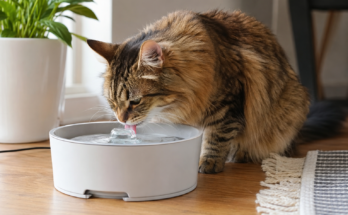
Water Fountain
Many cats and dogs drink more water when it is flowing.
A pet water fountain keeps water fresh and encourages hydration.
Proper hydration supports healthy kidneys, digestion, and overall well being.
Clean the fountain regularly to prevent bacteria buildup.
Food Storage Container
Proper food storage keeps pet food fresh longer.
A sealed container protects food from moisture, insects, and air exposure.
Fresh food maintains better flavor and nutritional value.
Always store food according to the manufacturer’s recommendations.
Dental Care Products
Dental care is often overlooked by first time pet owners.
Pet toothbrushes and toothpaste help reduce plaque and improve oral health.
Never use human toothpaste because it contains ingredients that can be harmful to pets.
Starting dental care early makes the routine much easier as your pet grows.
Vaccination and Medical Records
Keep all medical documents in one place.
Vaccination records, microchip information, and veterinary contact details should always be easy to access.
Having organized records saves time during emergencies or when visiting a new veterinarian.
Emergency Supplies
Preparing for emergencies is part of responsible pet ownership.
Keep extra food, bottled water, medications, and copies of important documents available in case of power outages or unexpected travel.
Emergency planning provides peace of mind and helps protect your pet during difficult situations.
Tips for Buying Pet Supplies
New pet owners often feel tempted to buy everything they see in pet stores. Instead, focus on quality over quantity.
Read product reviews before purchasing.
Choose supplies designed specifically for your pet’s size and age.
Replace damaged toys immediately to avoid safety hazards.
Introduce new items gradually so your pet feels comfortable.
Common Mistakes First Time Pet Owners Make
Many beginners purchase oversized collars or poorly fitted harnesses that make walking uncomfortable.
Others buy too many toys but forget grooming tools or cleaning supplies.
Skipping identification tags is another common mistake that can become dangerous if a pet gets lost.
Finally, avoid purchasing low quality food simply because it costs less. Good nutrition supports long term health and may reduce veterinary expenses in the future.
Final Thoughts
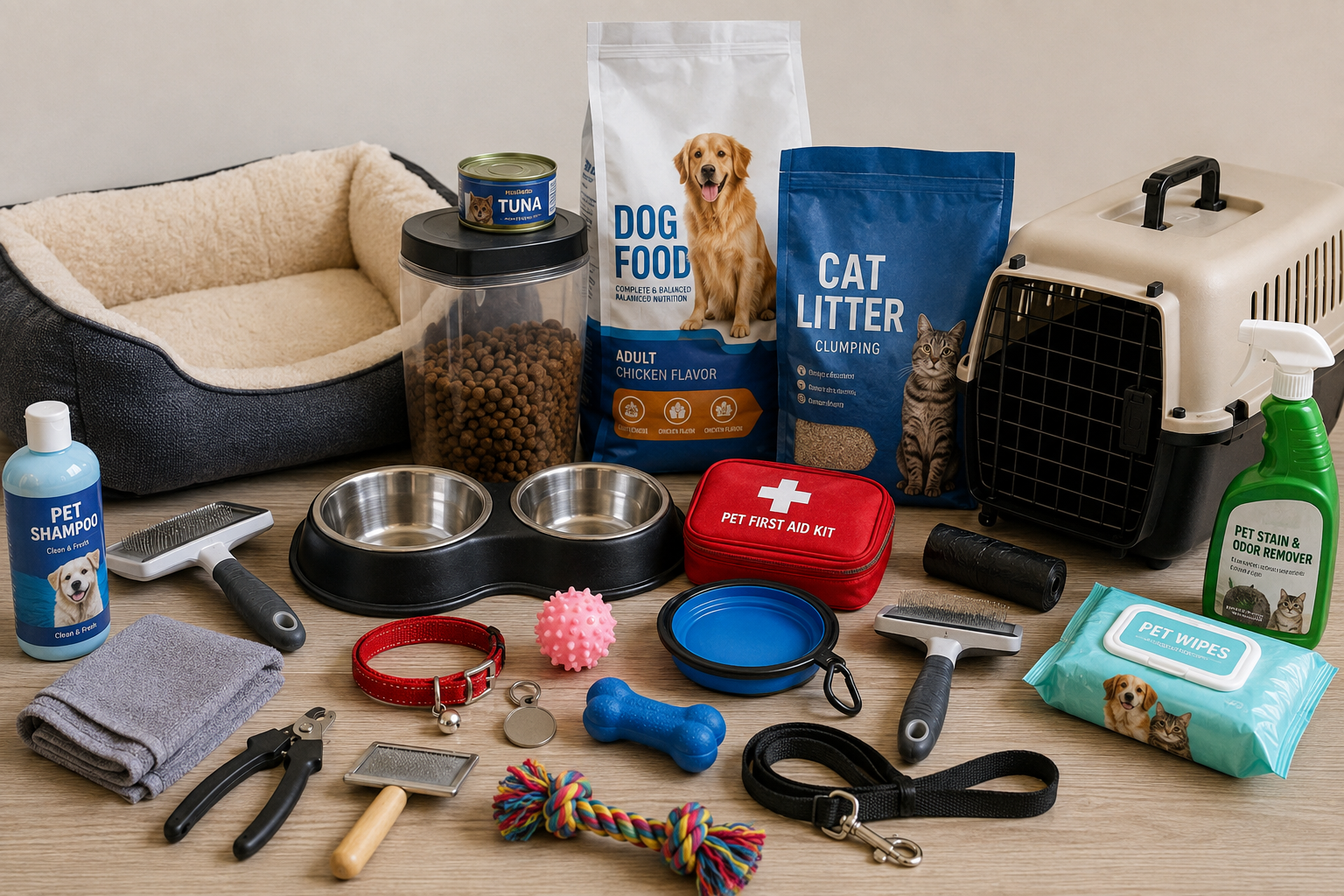
Preparing your home with the essential supplies for first time pet owners helps your new companion feel safe, comfortable, and loved from the very first day. Start with high quality food, clean water bowls, a cozy bed, grooming tools, toys, a secure carrier, and basic health supplies. As you learn more about your pet’s personality and needs, you can add additional accessories that improve their comfort and happiness.
Owning a pet is a long term commitment filled with responsibility and joy. With the right supplies and plenty of patience, you will build a strong bond that lasts for many wonderful years.