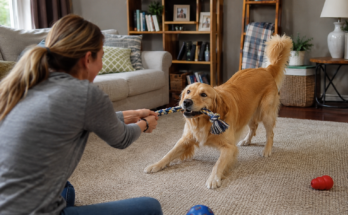

If you have ever looked at your dog and wondered why they seem restless or keep getting into trouble, boredom could be the real reason. Many dog owners think their pet only needs food, water, and a comfortable place to sleep. While those things are essential, dogs also need mental stimulation, physical activity, and regular interaction with their family.
A bored dog can quickly develop unwanted behaviors that make life stressful for both the owner and the pet. The good news is that once you recognize the signs your dog is bored at home, you can make simple changes that keep them happier and healthier.
In this guide, I will explain the most common signs of boredom, why dogs become bored, and what you can do to keep your furry friend entertained every day.
Why Dogs Get Bored at Home
Dogs are naturally curious animals. In the wild, their ancestors spent hours exploring, hunting, solving problems, and interacting with other animals. Even though our dogs now live comfortable lives, they still have those natural instincts.
When a dog spends long hours alone with nothing interesting to do, they often become frustrated. Lack of exercise, limited playtime, and repetitive routines are common reasons for boredom.
Some breeds are even more likely to become bored because they were originally bred for work. Border Collies, Australian Shepherds, Labrador Retrievers, German Shepherds, and Jack Russell Terriers usually need more mental and physical activity than many other breeds.
1. Excessive Barking
One of the biggest signs your dog is bored at home is constant barking.
Dogs bark for many reasons, but boredom barking usually happens when there is no clear trigger. Your dog may bark at passing cars, birds, neighbors, or even random sounds simply because they have nothing else to do.
If your dog only becomes noisy after spending several hours alone, boredom could be the cause.
2. Chewing Everything They Can Find
Dogs love to chew, especially puppies. However, when an adult dog suddenly starts chewing furniture, shoes, pillows, or table legs, boredom is often responsible.
Chewing helps dogs release energy and reduce frustration. Unfortunately, it can also become expensive for owners.
Providing safe chew toys and rotating them regularly can reduce destructive chewing.
3. Digging Indoors or Outdoors
Digging is another natural dog behavior.
Some dogs dig because they are trying to cool off or hide food, but bored dogs often dig simply to entertain themselves.
You may notice holes appearing in your backyard or even scratching at carpets and furniture inside your home.
Adding more outdoor activities and interactive games can help satisfy this natural instinct.
4. Constant Pacing
A relaxed dog usually spends time resting comfortably.
A bored dog often walks around the house repeatedly without any purpose. They may move from room to room, look out every window, and never seem able to settle down.
This restless behavior usually means they need more physical exercise or mental stimulation.
5. Sleeping More Than Usual
Although dogs enjoy sleeping, excessive sleeping may indicate boredom.
If your dog sleeps nearly the entire day and immediately goes back to sleep after waking up, they may simply have nothing interesting to do.
Healthy adult dogs do sleep a lot, but they should also become excited for walks, meals, and playtime.
6. Attention Seeking Behavior
A bored dog often tries everything possible to get your attention.
They may paw at your leg, nudge your hand, bring you toys repeatedly, jump on you, or follow you everywhere around the house.
While affection is completely normal, constant attention seeking often means your dog is looking for entertainment.
7. Excessive Licking
Some bored dogs repeatedly lick their paws, legs, or other parts of their body.
Occasional licking is perfectly normal, but nonstop licking may become a habit caused by boredom or anxiety.
If you notice this behavior becoming frequent, it is worth providing more activities while also consulting your veterinarian to rule out medical issues.
8. Getting Into the Trash
Dogs naturally enjoy exploring interesting smells.
A bored dog may start searching through garbage bins because it offers excitement and new scents.
Besides creating a mess, this habit can also be dangerous if your dog eats something toxic.
Keeping trash secured and providing puzzle toys can reduce this behavior.
9. Zoomies Throughout the House
Most dogs occasionally experience bursts of energy known as zoomies.
However, if your dog frequently races around the house after being inactive all day, they may simply have too much stored energy.
Daily walks and active games can help release this energy in a healthy way.
10. Ignoring Their Toys
Many owners buy plenty of toys but leave the same ones available every day.
Eventually, dogs lose interest because nothing feels new anymore.
Rotating toys every few days keeps them exciting and encourages your dog to play independently.
11. Following You Everywhere
Dogs naturally enjoy being close to their owners.
However, if your dog cannot let you leave the room without following, boredom may be part of the problem.
They are hoping something interesting will happen if they stay close to you.
Giving them engaging activities while you work can help build independence.
12. Escaping Whenever Possible
Some bored dogs become expert escape artists.
They may jump fences, dig underneath gates, or run out the front door whenever they get the chance.
For these dogs, escaping is simply an adventure.
Increasing daily exercise and mental stimulation often reduces the desire to roam.

13. Excessive Jumping
A bored dog may jump on family members or guests simply because they are excited to see someone new.
Jumping often becomes a way to release energy and gain attention.
Consistent training combined with regular exercise can improve this behavior.
14. Whining Without a Reason
Whining is another common sign your dog is bored at home.
Your dog may sit near you and whine even though they have food, water, and have already gone outside.
Many times they are simply asking for interaction.
A short game of fetch or tug can often satisfy this need.
15. Destroying Household Items
Perhaps the clearest sign of boredom is destruction.
If your dog tears apart cushions, blankets, remote controls, books, or other household items while you are away, they are likely trying to entertain themselves.
Instead of punishment, focus on preventing boredom before it starts.
How to Keep Your Dog Entertained at Home
Preventing boredom does not always require expensive toys or professional trainers.
Simple daily habits can make a huge difference.
Take Daily Walks
Walking is one of the easiest ways to improve your dog’s physical and mental health.
Allow your dog to sniff different areas during walks because exploring smells is mentally stimulating.
Play Interactive Games
Games such as fetch, tug of war, hide and seek, and scent games provide excellent exercise while strengthening your bond.
Even fifteen to twenty minutes of active play can improve your dog’s mood.
Use Puzzle Feeders
Instead of serving meals in a regular bowl every day, try puzzle feeders or treat dispensing toys.
These encourage your dog to think and solve problems before receiving food.
Teach New Tricks
Training sessions provide valuable mental stimulation.
Even older dogs enjoy learning commands like spin, shake, roll over, or finding hidden objects.
Short training sessions are often more effective than long ones.
Rotate Toys
Instead of leaving every toy available all the time, keep only a few out each week.
Switch them every few days to make old toys feel exciting again.
Give Safe Chew Toys
Long lasting chew toys satisfy your dog’s natural urge to chew while keeping them occupied.
Choose products that match your dog’s size and chewing strength.
Spend Quality Time Together
Dogs are social animals that love companionship.
Even sitting together, brushing your dog, or enjoying a relaxing evening can strengthen your relationship and reduce boredom.
When Boredom Could Be Something Else
While boredom explains many behaviors, some symptoms may also be linked to health problems.
Excessive licking, sudden aggression, loss of appetite, unusual sleeping habits, or dramatic behavior changes should always be discussed with your veterinarian.
It is always better to rule out medical conditions before assuming boredom is the only cause.
Final Thoughts
Recognizing the signs your dog is bored at home can help you prevent many common behavior problems before they become serious. Excessive barking, destructive chewing, constant pacing, attention seeking, and household destruction are often your dog’s way of saying they need more activity and interaction.
The good news is that boredom is usually easy to fix. Regular walks, engaging games, puzzle toys, training sessions, and quality time together can make a remarkable difference in your dog’s happiness. A mentally stimulated dog is calmer, healthier, and more enjoyable to live with.
By paying attention to these warning signs and giving your dog the enrichment they need, you will create a happier home for both you and your loyal companion.