If you think your indoor pet is completely safe from fleas, you are not alone. Many pet owners believe that staying inside means their dog or cat will never have to deal with fleas. Unfortunately, that is not true. Fleas can easily find their way into your home through shoes, clothing, visitors, other pets, or even small wild animals that come close to your house. Once they enter your home, they can quickly multiply and become difficult to remove.
The good news is that preventing fleas is much easier than dealing with a full infestation. With a few simple habits and regular care, you can keep your indoor pets healthy, comfortable, and flea free all year long.
In this guide, I will share the best flea prevention tips for indoor pets that are easy to follow and effective for every pet owner.
Why Indoor Pets Still Get Fleas
One of the biggest myths about flea control is that indoor pets do not need protection. Fleas are excellent at finding new hosts. They can jump onto your clothes while you walk outside or hitch a ride inside on another animal.
If you have guests with pets, fleas can also enter your home without anyone noticing. Apartment buildings and shared outdoor spaces increase the chances even more. This is why flea prevention should be part of your regular pet care routine, even if your pet rarely steps outside.
Understand the Flea Life Cycle
Knowing how fleas grow helps you stop them before they become a serious problem.
A flea goes through four stages.
Egg
Larva
Pupa
Adult
Adult fleas are the ones you see on your pet, but they only make up a small part of the entire flea population. Most flea eggs and larvae hide in carpets, bedding, furniture, and small cracks around your home.
This is why treating only your pet is often not enough. You also need to keep your living space clean to break the flea life cycle.
Use Vet Recommended Flea Prevention Products
One of the most effective flea prevention tips for indoor pets is using a trusted flea prevention product every month.
There are several options available.
Topical treatments
Oral flea medications
Flea collars
Prescription medications
The best choice depends on your pet’s age, weight, health, and lifestyle. Always follow your veterinarian’s advice before choosing any flea prevention treatment.
Avoid using products designed for dogs on cats because some ingredients can be dangerous for cats.
Vacuum Your Home Regularly
Vacuuming is one of the easiest ways to reduce flea eggs and larvae inside your home.
Pay extra attention to areas where your pet spends most of its time.
Carpets
Rugs
Sofas
Pet beds
Corners
Under furniture
After vacuuming, empty the vacuum bag or container immediately so fleas cannot escape back into your home.
Doing this at least two or three times each week makes a big difference.
Wash Pet Bedding Frequently
Your pet’s favorite blanket or bed can become the perfect place for flea eggs.
Wash bedding every week using hot water whenever possible.
Do not forget to clean.
Blankets
Pillows
Soft toys
Crate mats
Hot water helps kill flea eggs before they hatch.
Groom Your Pet Often
Regular grooming lets you spot flea problems before they become serious.
Brush your pet several times each week.
Check around.
The neck
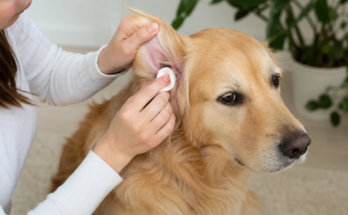
Behind the ears
The belly
The base of the tail
These are common places where fleas like to hide.
A flea comb is also a helpful tool. It can remove adult fleas while helping you notice flea dirt, which looks like tiny black specks.
Keep Your Home Clean
Clean homes are less attractive to fleas.
Dust furniture regularly.
Sweep hard floors.
Wash pet blankets.
Clean under furniture.
Remove clutter where flea eggs may collect.
Although cleaning alone will not eliminate fleas completely, it greatly reduces their chances of surviving.
Protect All Pets in Your Home
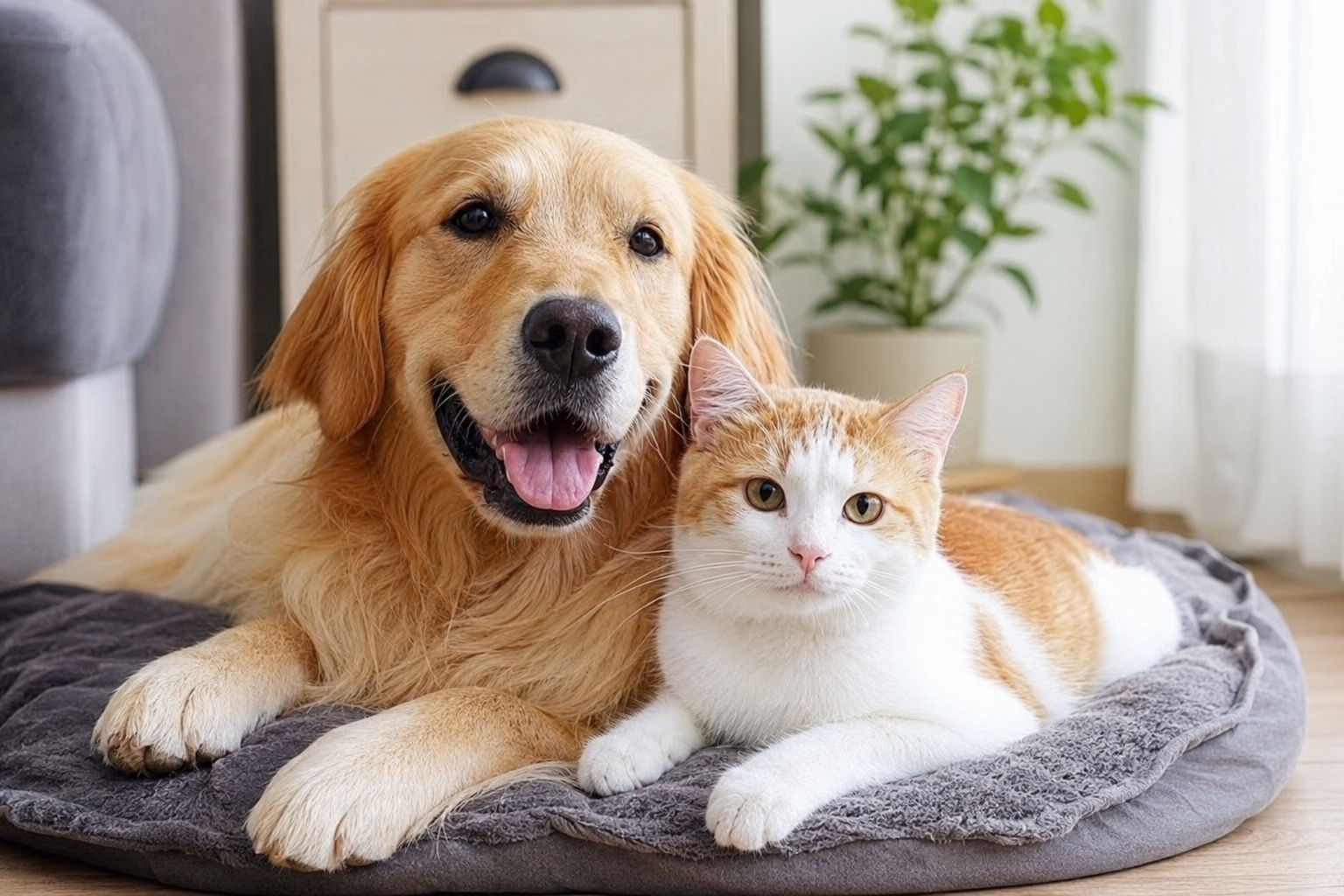
If you have more than one pet, every pet should receive flea prevention.
Treating only one animal allows fleas to continue feeding on the others.
Even indoor rabbits or other small pets may need protection depending on your veterinarian’s recommendations.
Keeping every pet protected is one of the smartest flea prevention tips for indoor pets.
Watch for Early Signs of Fleas
Early detection makes treatment much easier.
Common signs include.
Frequent scratching
Excessive licking
Small black flea dirt
Hair loss
Skin redness
Tiny insects moving through the fur
If you notice any of these symptoms, take action quickly before fleas spread throughout your home.
Check Pets After Outdoor Visits
Even indoor pets sometimes spend a little time outside.
After walks, balcony visits, or trips to the veterinarian, inspect your pet carefully.
A quick check only takes a few minutes and may prevent fleas from entering your house.
Keep Your Yard Clean
If your pet occasionally goes into the backyard, outdoor flea prevention also matters.
Trim tall grass.
Remove piles of leaves.
Keep the yard dry.
Limit contact with stray animals.
Fleas prefer warm, shady, and humid areas, so maintaining your yard reduces their hiding places.
Wash Your Hands and Clothing After Contact With Other Animals
If you visit friends with pets or volunteer at an animal shelter, fleas can travel home with you.
Changing clothes and washing your hands before handling your own pet helps reduce this risk.
This simple habit is often overlooked but can prevent unexpected flea problems.
Avoid Feeding Wild Animals Near Your Home
Wild animals such as raccoons, squirrels, and stray cats often carry fleas.
Leaving food outside attracts these animals closer to your house.
Keeping your property less attractive to wildlife lowers the chances of fleas reaching your indoor pets.
Use Flea Prevention Throughout the Year
Many people stop flea treatments during colder months.
However, fleas can survive inside warm homes during every season.
Year round flea prevention offers the best protection for indoor pets.
Consistent prevention is much easier than dealing with a major flea infestation later.
Schedule Regular Veterinary Checkups
Routine veterinary visits help catch flea problems early.
Your veterinarian can recommend the safest and most effective flea prevention based on your pet’s health and age.
Regular checkups also ensure that any skin irritation is properly diagnosed, since allergies and other conditions can look similar to flea bites.
Avoid Homemade Flea Remedies Without Professional Advice
The internet is full of home remedies claiming to kill fleas.
Some recommend essential oils or household chemicals that can actually harm pets.
Cats are especially sensitive to many essential oils.
Before trying any natural treatment, always speak with your veterinarian first.
Using proven flea prevention products is much safer.
Strengthen Your Pet’s Overall Health
Healthy pets often recover from minor skin irritation more easily.
Feed a balanced diet.
Provide fresh water daily.
Encourage regular exercise.
Maintain a healthy weight.
Good nutrition supports healthy skin and a stronger immune system, helping your pet stay comfortable.
Know When Professional Pest Control Is Needed
Sometimes flea infestations become too large to manage with home cleaning alone.
If you continue seeing fleas despite regular prevention, professional pest control may be necessary.
Experts can safely treat your home while helping break the flea life cycle completely.
Continue using flea prevention for your pets even after professional treatment.
Common Mistakes to Avoid
Many pet owners accidentally make flea problems worse.
Some common mistakes include.
Skipping monthly flea prevention
Treating only one pet
Ignoring flea eggs in the home
Using the wrong flea product
Stopping treatment too early
Waiting until fleas become visible
Avoiding these mistakes keeps your indoor pets much safer.
Final Thoughts
Following the best flea prevention tips for indoor pets is one of the easiest ways to protect your furry family members. Even pets that spend their entire lives indoors can still encounter fleas, so regular prevention should never be ignored.
Simple habits such as monthly flea treatments, frequent grooming, washing pet bedding, vacuuming your home, and scheduling regular veterinary visits can prevent flea problems before they start. Staying consistent is the key to long term flea control.
A little prevention today can save you from weeks of frustration later. By making flea prevention part of your regular pet care routine, you will help your indoor pet stay healthy, comfortable, and happy throughout the year.
Frequently Asked Questions
Can indoor cats get fleas?
Yes. Indoor cats can get fleas from people, visitors, other pets, or fleas that enter through doors and windows.
How often should I use flea prevention?
Most flea prevention products are used once every month, but always follow your veterinarian’s instructions.
Is vacuuming enough to prevent fleas?
Vacuuming helps reduce flea eggs and larvae, but it should be combined with proper flea prevention products for complete protection.
Are flea collars effective for indoor pets?
Modern flea collars can be effective when recommended by your veterinarian and used correctly.
What should I do if I find fleas on my indoor pet?
Start flea treatment immediately, clean your home thoroughly, wash pet bedding, vacuum regularly, and consult your veterinarian if the problem continues.