Introduction
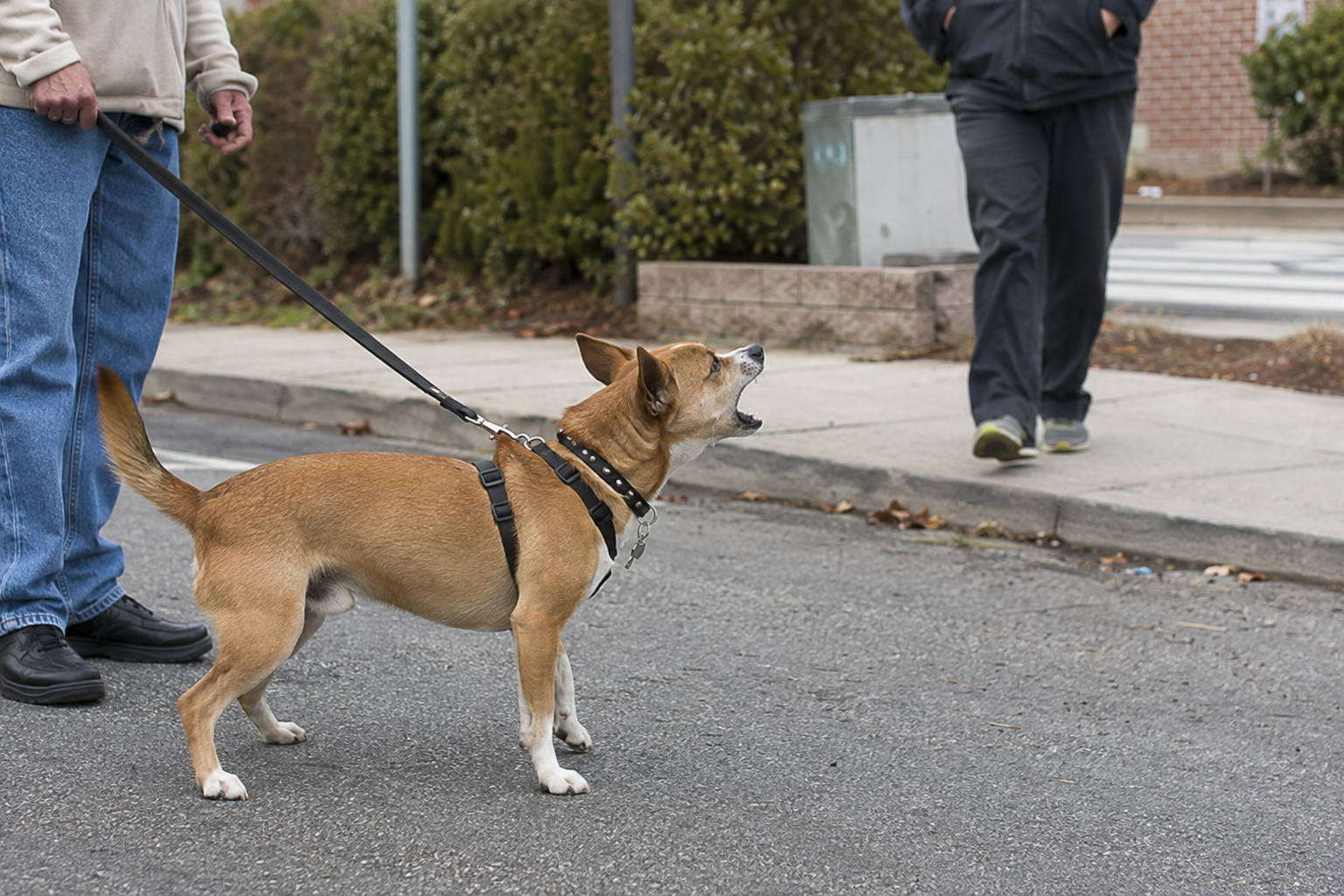
If you have ever wondered how to stop dogs from barking at strangers, you are not alone. Barking is one of the most common behavior problems that dog owners face. While barking is a natural way for dogs to communicate, excessive barking at people passing by or visitors entering your home can become stressful for everyone. It may disturb your neighbors, scare guests, and make daily walks difficult.
The good news is that this behavior can be improved with patience, consistency, and the right training methods. Most dogs bark at strangers because they are protecting their territory, feeling anxious, or simply getting excited. Understanding the reason behind the barking is the first step toward solving the problem.
In this guide, you will learn practical and effective ways to reduce barking while helping your dog feel more confident and relaxed around unfamiliar people.
Why Dogs Bark at Strangers
Before you start training, it is important to understand why your dog reacts this way.
Many dogs naturally see strangers as something unusual. They may bark to alert you that someone is approaching your home. This protective instinct is completely normal.
Some dogs bark because they feel afraid. A stranger’s appearance, voice, or movement can make an anxious dog nervous. Barking becomes their way of creating distance from something they do not trust.
Other dogs bark because they become overly excited. They want to greet every new person but do not know how to stay calm. Even friendly dogs may bark loudly when they become overstimulated.
Once you understand your dog’s motivation, it becomes much easier to choose the right training approach.
Stay Calm Instead of Yelling
One of the biggest mistakes dog owners make is shouting at their dog to stop barking.
Your dog may think you are joining the barking instead of correcting it. This often makes the situation even worse.
Instead of yelling, stay calm and speak in a quiet but confident voice. Dogs respond much better to calm leadership than emotional reactions.
If you remain relaxed, your dog is more likely to settle down as well.
Teach the Quiet Command
Teaching a simple quiet command is one of the best ways to stop excessive barking.
Allow your dog to bark once or twice when someone approaches. Then calmly say “Quiet.”
The moment your dog stops barking, even for a few seconds, reward them with praise and a small treat.
Repeat this exercise every day.
Over time, your dog will begin connecting the word “Quiet” with staying silent and receiving a reward.
Consistency is the key to making this command reliable.
Reward Calm Behavior
Positive reinforcement is one of the most effective dog training methods.
Instead of only correcting unwanted behavior, reward your dog whenever they stay calm around strangers.
For example, if someone walks past your house and your dog remains quiet, immediately praise them and offer a treat.
Dogs repeat behaviors that bring positive results.
Eventually, your dog will learn that staying relaxed is much more rewarding than barking.
Socialize Your Dog Properly
Early and ongoing socialization helps dogs become comfortable around different people.
Introduce your dog to men, women, children, people wearing hats, sunglasses, uniforms, and carrying bags.
Keep every interaction positive.
Allow your dog to observe strangers from a comfortable distance without forcing contact.
As your dog gains confidence, they will become less likely to bark out of fear.
Even older dogs can improve through gradual socialization.
Identify Your Dog’s Triggers
Every dog has different barking triggers.
Some bark only when someone rings the doorbell.
Others react to delivery drivers, joggers, cyclists, or people walking past the window.
Spend a few days observing exactly what causes your dog’s barking.
Once you identify the trigger, you can create training sessions specifically for that situation.
Knowing the trigger allows you to solve the problem much faster.
Reduce Window Barking
Many dogs spend hours watching outside and barking at every person who walks past.
If this happens in your home, limit your dog’s access to windows during busy times.
Close the curtains or use window film that blocks the lower part of the glass.
You can also move your dog’s bed away from the front window.
Reducing visual triggers often leads to an immediate improvement in barking.
Practice Controlled Visitor Training
Ask a friend or family member to help with training.
Have them approach your home while your dog is on a leash.
As soon as your dog notices the visitor but remains calm, reward them.
If barking begins, calmly redirect your dog’s attention using treats or simple commands like “Sit” or “Look.”
Repeat this exercise several times over multiple days.
Your dog will slowly learn that visitors are not a threat.
Keep Training Sessions Short
Dogs learn better through short practice sessions.
Train for five to ten minutes at a time instead of long sessions that cause frustration.
Practice several times each week.
Small improvements made consistently will produce better long term results than occasional long training sessions.
Give Your Dog Enough Exercise
A tired dog is usually a calmer dog.
Dogs with extra energy are more likely to bark at every sound or movement around them.
Daily walks, games of fetch, puzzle toys, and obedience training help burn both physical and mental energy.
Regular exercise reduces boredom and makes your dog more relaxed throughout the day.
Use Mental Stimulation
Mental exercise is just as important as physical activity.
Food puzzles, sniffing games, hide and seek, and training new tricks all keep your dog’s brain active.
Dogs that stay mentally engaged often develop fewer unwanted behaviors, including excessive barking.
Changing toys every few days can also keep your dog interested and entertained.
Avoid Punishing Your Dog
Harsh punishment rarely solves barking problems.
Yelling, hitting, or using fear based methods can increase anxiety.
An anxious dog often becomes even more reactive toward strangers.
Instead, focus on teaching the behavior you want.
Reward calm responses and gently redirect unwanted barking without creating fear.
Building trust always produces better long term results.
Teach an Alternative Behavior
Instead of simply telling your dog not to bark, teach them something else to do.
For example, when someone knocks on the door, ask your dog to go to a designated mat and sit quietly.
Reward them for staying in that position.
Eventually, your dog will replace barking with the new behavior because it consistently earns praise and treats.
Be Patient During Training
Changing behavior takes time.
Some dogs improve within a few weeks, while others may need several months depending on their age, personality, and previous experiences.
Do not become discouraged if progress feels slow.
Celebrate small improvements.
Every calm reaction is another step toward your goal.
Consistency is much more important than speed.
When to Seek Professional Help
If your dog’s barking is extreme, aggressive, or caused by severe fear, working with a certified dog trainer or animal behaviorist can make a big difference.
Professional trainers can identify hidden causes and create a personalized training plan.
Seeking help early often prevents the behavior from becoming more difficult to manage.
Common Mistakes to Avoid
Many owners accidentally encourage barking without realizing it.
Giving attention while your dog is barking teaches them that barking gets your focus.
Being inconsistent with rules also confuses your dog. Everyone in the household should use the same commands and reward calm behavior in the same way.
Another mistake is expecting instant results. Dog training requires patience, repetition, and positive experiences.
Avoid rushing the process.
Frequently Asked Questions
Why does my dog only bark at certain strangers?
Dogs notice differences in appearance, movement, smell, and body language. Your dog may react more strongly to certain people because they seem unfamiliar or unusual.
Can older dogs learn to stop barking?
Yes. Dogs of any age can learn new behaviors with consistent positive reinforcement and regular practice.
Should I ignore barking?
Ignoring attention seeking barking can sometimes work, but barking caused by fear or territorial behavior usually requires proper training rather than simply ignoring it.
How long does it take to stop barking?
Every dog is different. Some improve within a few weeks, while others need several months of consistent training.
Conclusion
Learning how to stop dogs from barking at strangers requires patience, understanding, and consistency. Barking is a natural behavior, but excessive barking can be reduced with positive reinforcement, proper socialization, regular exercise, and calm leadership. Focus on rewarding the behavior you want instead of punishing mistakes. Over time, your dog will become more confident around unfamiliar people and learn that strangers do not always represent a threat. With daily practice and a positive attitude, you can enjoy a quieter, happier, and more relaxed relationship with your dog.