If you have recently adopted a quiet or nervous cat, you may be wondering how to make a shy cat feel safe. Many cats are naturally cautious, while others become shy because of past experiences, changes in their environment, or lack of socialization. The good news is that with patience, kindness, and the right approach, even the most timid cat can learn to trust you.
Every cat has a unique personality. Some cats become comfortable within a few days, while others may take weeks or even months. The most important thing is to let your cat move at its own pace. Building trust is much more valuable than trying to force affection.
In this guide, I will explain simple and practical ways to help your shy cat feel safe and confident at home.
Why Are Some Cats Shy?
Before learning how to make a shy cat feel safe, it helps to understand why your cat behaves this way.
A shy cat may have experienced stress, abandonment, loud environments, or poor treatment in the past. Rescue cats often need extra time to adjust because everything around them is unfamiliar.
Some common reasons include:
- Moving into a new home
- Lack of socialization as a kitten
- Previous abuse or neglect
- Loud noises and busy households
- New pets or family members
- Naturally cautious personality
Knowing the reason helps you stay patient and avoid expecting instant results.
Give Your Cat a Quiet Space
The first thing I always recommend is creating a peaceful room where your cat can relax.
Your shy cat should have a place where nobody bothers them. This space should include food, water, a litter box, a soft bed, and a few toys.
Avoid placing everything in busy areas of the house. Cats feel much safer when they have somewhere quiet to observe their surroundings without feeling threatened.
Once your cat starts feeling more comfortable, they will naturally begin exploring other parts of your home.
Never Force Interaction
One of the biggest mistakes people make is trying to cuddle or hold a shy cat too soon.
If your cat hides under the bed, let them stay there. Pulling them out will only increase their fear.
Instead, sit quietly in the same room. Read a book, work on your laptop, or simply relax. Your calm presence helps your cat understand that you are not a danger.
Eventually, curiosity will encourage your cat to come closer.
Speak in a Soft Voice
Cats are very sensitive to sound.
Loud voices, shouting, or sudden noises can frighten a nervous cat. Always speak softly and move slowly around them.
Even if your cat does not seem interested, hearing your gentle voice every day helps build familiarity.
Many shy cats slowly become comfortable simply because they recognize their owner’s calm voice.
Let Your Cat Come to You
Trust cannot be rushed.
Instead of chasing your cat around the house, sit on the floor and wait patiently. Avoid direct eye contact because some cats see this as threatening.
You can place your hand on the floor without reaching toward them.
If your cat decides to sniff your fingers, this is already a big step toward building trust.
Allow every interaction to happen on your cat’s terms.
Use Food to Build Positive Experiences
Food is one of the best ways to help a shy cat feel safe.
Offer small treats or favorite snacks while sitting nearby.
At first, place the treat several feet away.
As your cat becomes more comfortable, gradually move the treats closer to you over several days.
This teaches your cat that your presence leads to good experiences.
Remember not to overfeed treats. They should only be a small part of your cat’s daily diet.
Create a Consistent Routine
Cats love routines.
Feeding your cat at the same time every day creates predictability, which helps reduce anxiety.
Try to keep these daily activities consistent:
- Morning feeding
- Evening feeding
- Play sessions
- Cleaning the litter box
- Quiet relaxation time
A stable routine makes your shy cat feel more secure because they know what to expect each day.
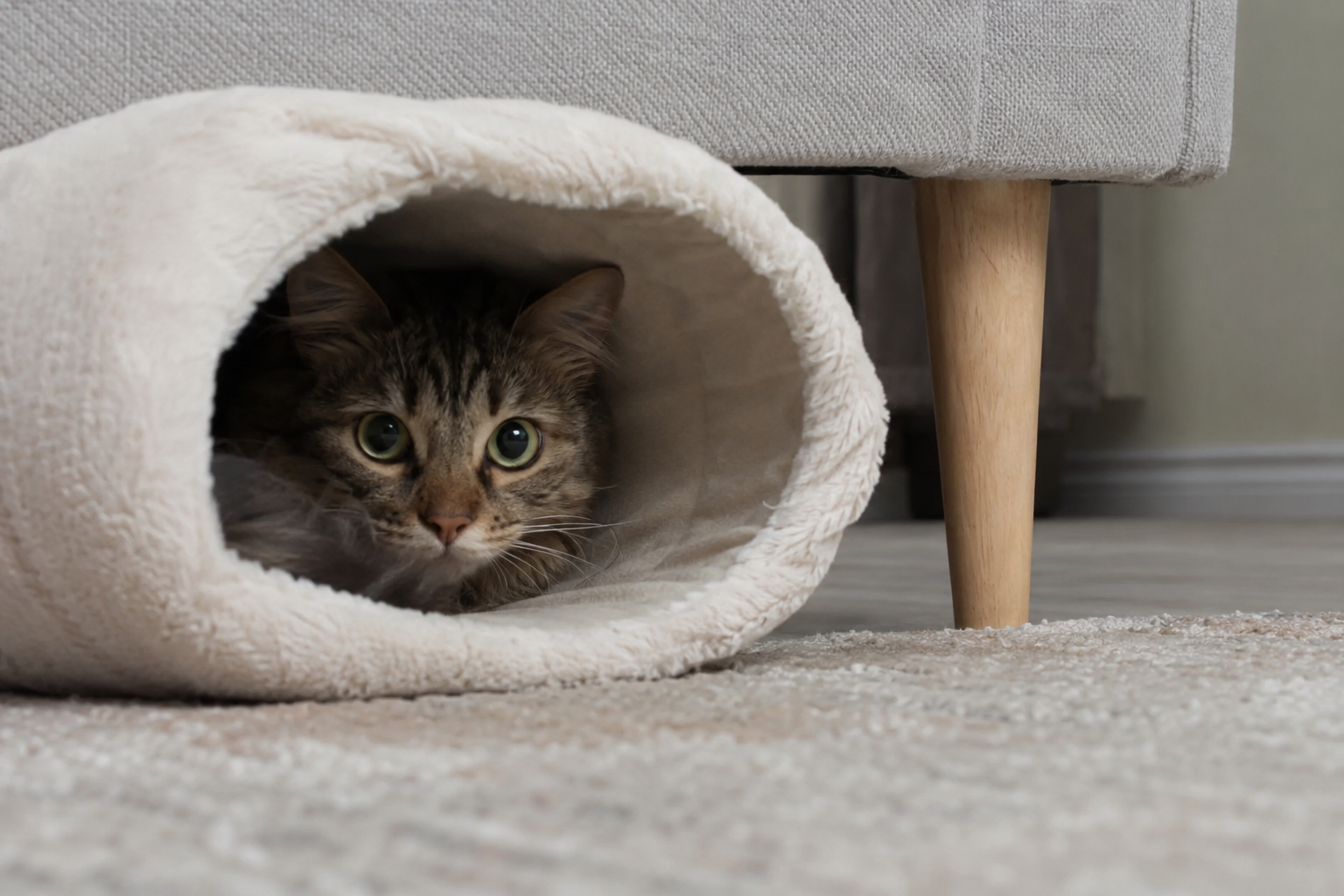
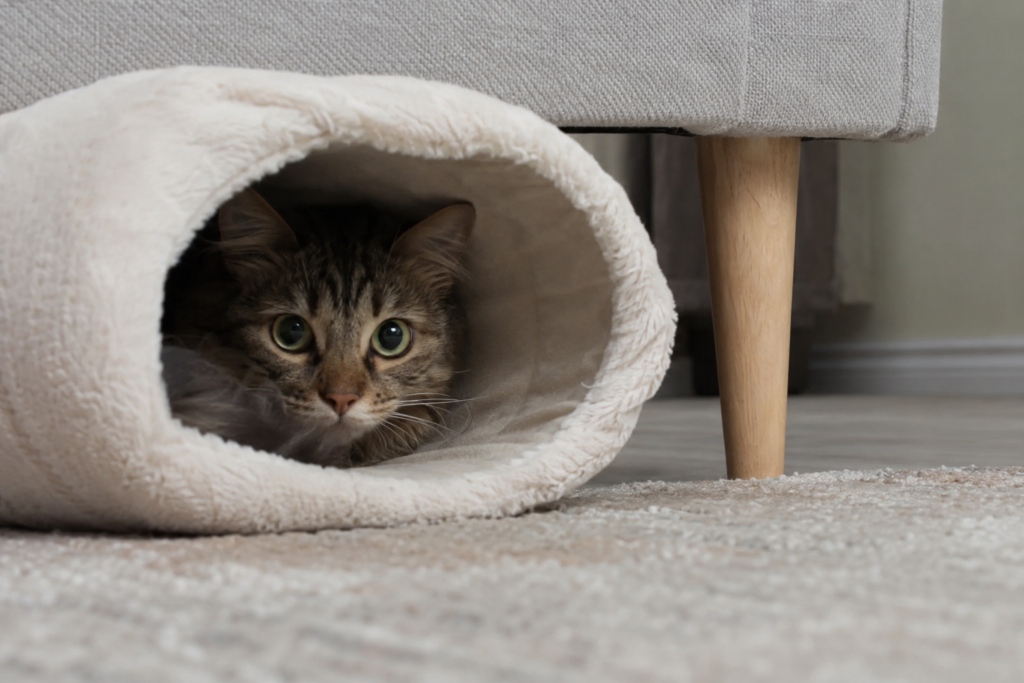
Provide Safe Hiding Places
Many people think hiding is a bad habit.
Actually, hiding helps nervous cats feel protected.
Give your cat safe hiding spots such as:
- Cardboard boxes
- Covered cat beds
- Cat tunnels
- Shelves
- Cat trees with enclosed spaces
When cats know they have somewhere safe to retreat, they become more confident exploring their surroundings.
Avoid Sudden Movements
Quick movements can scare shy cats.
Walk slowly around your home and avoid reaching over your cat’s head unexpectedly.
Children should also learn to approach the cat calmly and quietly.
Gentle movements help your cat understand that there is nothing to fear.
Play Builds Confidence
Interactive play is one of the easiest ways to help nervous cats relax.
Use toys like feather wands, toy mice, or strings that allow your cat to play from a comfortable distance.
Play encourages natural hunting instincts and reduces stress.
Even a shy cat that refuses petting may happily chase a feather toy.
Aim for two or three short play sessions each day.
Use Familiar Scents
Cats rely heavily on scent.
Allow your cat to become familiar with your smell by leaving a clean shirt or blanket where they sleep.
Avoid strong perfumes or heavily scented cleaning products around your cat’s resting area.
A familiar scent creates comfort and helps your cat associate you with safety.
Reward Brave Behavior
Positive reinforcement works much better than punishment.
Whenever your cat takes a small step forward, reward that behavior.
Examples include:
- Coming out of hiding
- Walking toward you
- Playing nearby
- Accepting gentle petting
- Exploring a new room
Offer praise, gentle words, or a small treat.
These rewards encourage your cat to repeat confident behaviors.
Keep Other Pets Under Control
If you have dogs or other cats, introduce them slowly.
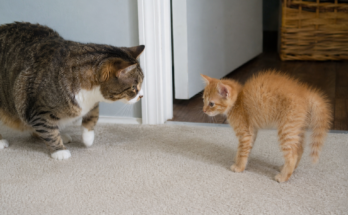
A shy cat should never feel cornered or chased by another pet.
Allow short, supervised introductions while giving your cat an escape route.
If your cat appears stressed, separate the animals and try again another day.
Slow introductions usually lead to better long term relationships.
Learn Your Cat’s Body Language
Understanding body language makes a huge difference when learning how to make a shy cat feel safe.
Signs your cat is becoming comfortable include:
- Slow blinking
- Relaxed ears
- Gentle stretching
- Sitting nearby
- Curled tail
- Soft purring
Signs your cat feels scared include:
- Flattened ears
- Dilated pupils
- Hissing
- Growling
- Hiding
- Swishing tail
Respect these signals and give your cat space whenever needed.
Be Patient
Patience is the most important part of helping a shy cat.
Some cats adjust within a week.
Others need several months before they feel completely safe.
Every small improvement matters.
The first time your cat eats near you, sits beside you, or allows gentle petting is a major achievement.
Celebrate these little milestones without expecting immediate perfection.
Common Mistakes to Avoid
Many owners accidentally slow their cat’s progress.
Avoid these common mistakes:
- Forcing physical contact
- Punishing fearful behavior
- Making loud noises
- Changing routines frequently
- Chasing your cat
- Allowing strangers to overwhelm them
- Introducing new pets too quickly
Giving your cat control over interactions creates lasting trust.
When Should You See a Veterinarian?
Sometimes fear may be linked to a medical problem.
If your cat suddenly becomes extremely shy after previously being friendly, schedule a veterinary visit.
Pain, illness, or vision problems can cause behavior changes.
You should also seek professional advice if your cat:
- Refuses to eat for more than 24 hours
- Shows signs of injury
- Becomes aggressive without warning
- Loses weight
- Hides constantly for several weeks
A veterinarian can rule out health issues before assuming the problem is purely behavioral.
Building a Lifelong Bond
Learning how to make a shy cat feel safe is not about changing your cat’s personality. Instead, it is about creating an environment where they feel protected enough to show their true character.
Many shy cats become incredibly loyal once they trust their owners. They may never become the most outgoing pets, but they often develop deep and meaningful relationships with the people who respect their boundaries.
Trust is built through small daily actions rather than one big moment. Every gentle interaction, every quiet conversation, and every patient choice helps your cat gain confidence.
Conclusion
If you are wondering how to make a shy cat feel safe, remember that patience is your greatest tool. Give your cat a quiet space, stick to a consistent routine, avoid forcing interaction, and reward every sign of progress. Over time, your shy companion will begin to understand that your home is a place of comfort rather than fear.
Every confident step your cat takes is proof that trust is growing. With kindness, understanding, and plenty of patience, your once timid cat can become a happy, relaxed, and loving member of your family.