Bringing a new kitten home is an exciting experience, but if you already have an older cat, the introduction process needs patience and careful planning. Many cat owners expect their pets to become friends immediately, but the reality is often different. Older cats usually enjoy routine and their own space, while kittens are full of energy and curiosity. Because of these different personalities, the first meeting should never be rushed.
In this guide, I will explain how to introduce a kitten to an older cat in a simple and natural way. These tips can help reduce stress, avoid fights, and give both cats the best chance of building a peaceful relationship.
Why Proper Introductions Matter
The biggest mistake many people make is putting both cats together as soon as the kitten arrives. This can scare the older cat and make them feel that their territory has been invaded. Once negative feelings develop, it can take weeks or even months to rebuild trust.
A slow introduction allows both cats to become familiar with each other’s scent, sounds, and presence before meeting face to face. This creates a safer and more comfortable environment for both pets.
Understand Your Older Cat’s Personality
Every older cat reacts differently to a kitten. Some cats are friendly and curious, while others are shy or very protective of their space.
Before bringing the kitten home, think about your older cat’s behavior.
Does your cat enjoy meeting new people?
Does your cat get stressed by changes?
Does your cat usually hide when something new happens?
Knowing your older cat’s personality helps you prepare for a smoother introduction.
Prepare a Separate Room for the Kitten
One of the best ways to introduce a kitten to an older cat is by giving the kitten its own room during the first few days.
The room should include:
A comfortable bed
Fresh food and water
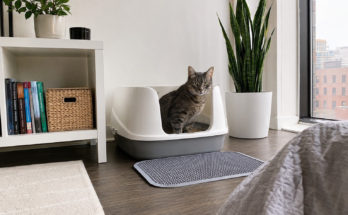
A litter box
Toys
A scratching post
This separate area helps the kitten feel safe while allowing the older cat to adjust to the new smell without direct contact.
Let Them Learn Each Other’s Scent
Cats recognize each other more through scent than sight. Before allowing them to meet, help them become familiar with each other’s smell.
You can gently rub a soft towel on the kitten and place it near your older cat’s favorite resting spot. Do the same with the older cat and leave the towel in the kitten’s room.
Another simple trick is swapping blankets or beds between the two cats. This lets them explore the new scent without feeling threatened.
Feed Both Cats Near the Door
Once both cats seem comfortable with each other’s scent, start feeding them on opposite sides of the closed door.
They will begin connecting the smell of the other cat with something positive like mealtime.
Move the food bowls closer to the door over several days, but never force the process if either cat seems nervous.
Allow Visual Contact
After a few days of scent swapping, allow the cats to see each other without direct contact.
You can use a baby gate, pet gate, or leave the door open just enough for them to observe each other safely.
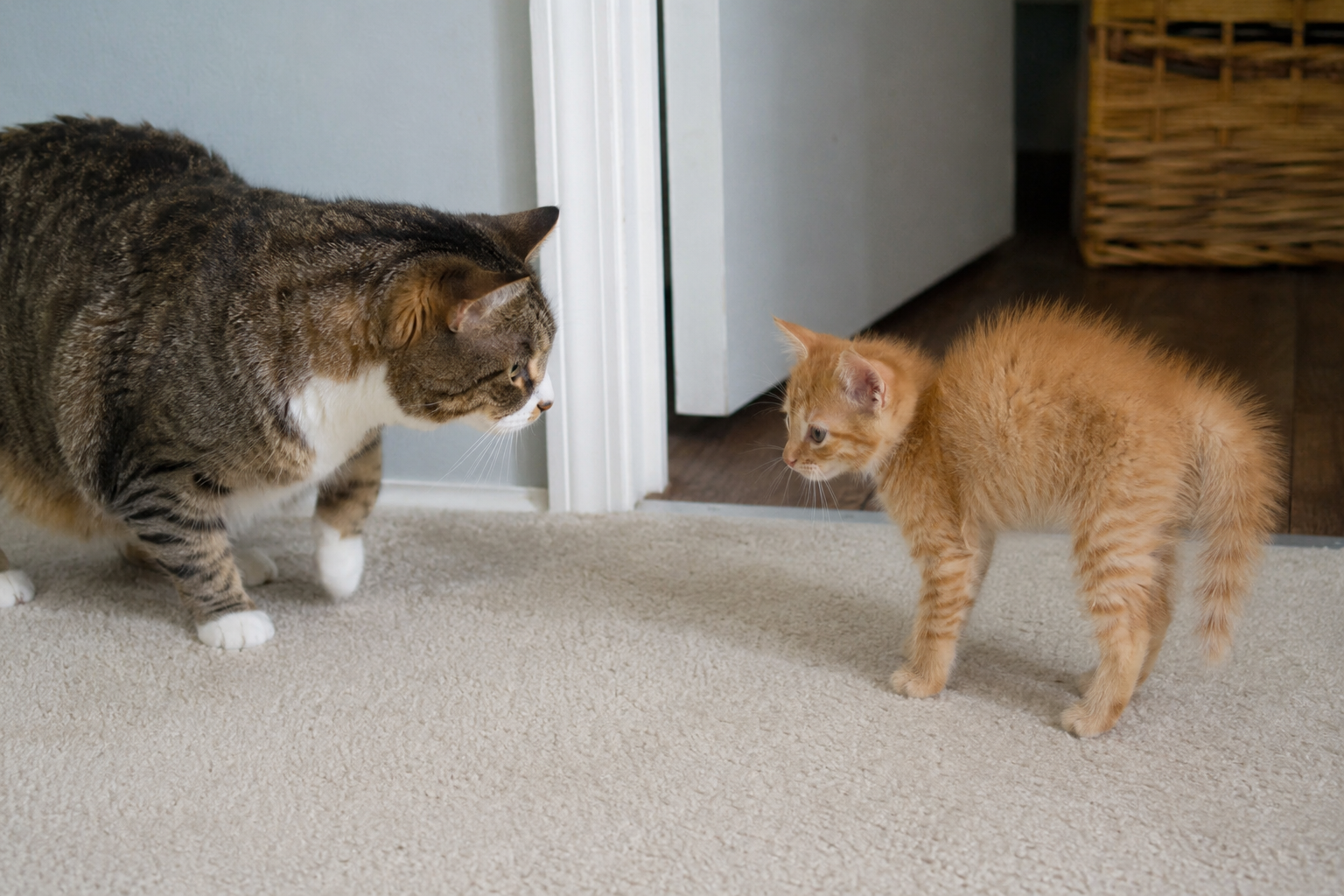
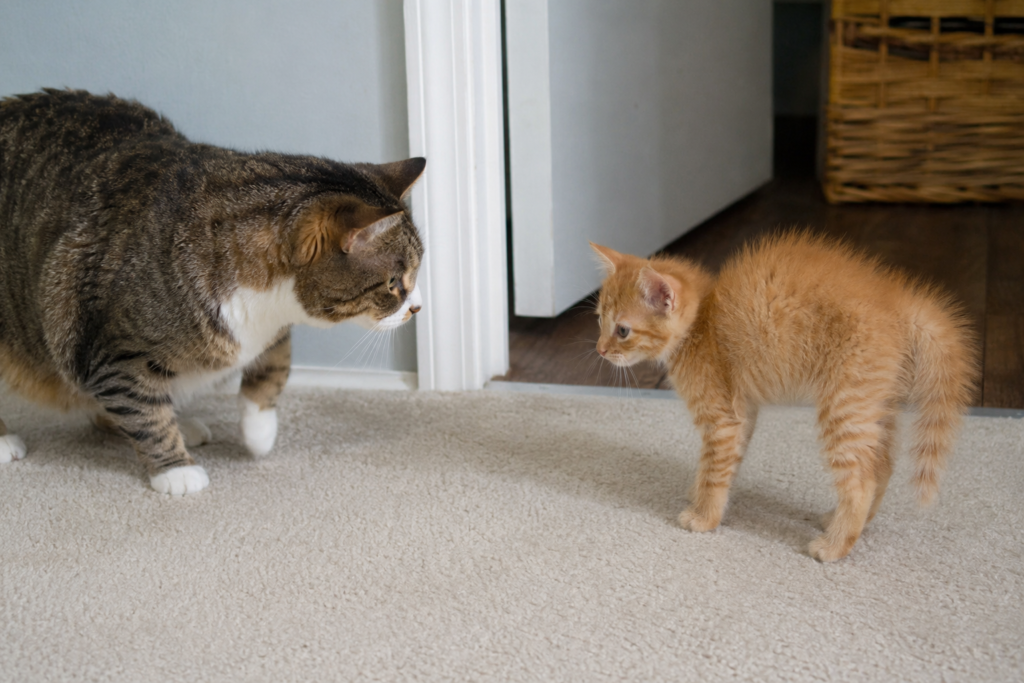
At first, they may stare, hiss, or act cautiously. This is completely normal. Stay calm and reward relaxed behavior with treats and gentle praise.
Keep these sessions short and positive.
Supervise the First Face to Face Meeting
When both cats appear relaxed during visual introductions, it is time for a supervised meeting.
Choose a quiet room where neither cat feels trapped.
Allow them to move freely without forcing interaction.
Keep toys and treats nearby to distract them if needed.
Avoid picking either cat up during the meeting because frightened cats may scratch accidentally.
The first meeting may only last five to ten minutes. End the session before either cat becomes stressed.
Expect Some Hissing
Many owners become worried when they hear hissing.
The truth is that a little hissing is completely normal.
Hissing is simply your older cat’s way of saying that they need more personal space.
As long as there is no serious fighting or chasing, let them communicate naturally.
Do not punish either cat for hissing because this can increase stress and make introductions harder.
Give Your Older Cat Plenty of Attention
One common reason older cats become jealous is because they suddenly receive less attention.
Continue spending quality time with your older cat every day.
Pet them.
Play with them.
Offer treats.
Follow your normal routine as much as possible.
This helps reassure your older cat that they have not been replaced by the new kitten.
Keep Separate Resources
Even after the cats begin getting along, each cat should have access to its own important resources.
This includes:
Separate food bowls
Separate water bowls
At least one litter box for each cat plus one extra
Multiple sleeping areas
Several scratching posts
When resources are shared too early, competition can create unnecessary tension.
Use Positive Reinforcement
Reward both cats whenever they remain calm around each other.
Offer treats when they sit quietly.
Praise them during peaceful interactions.
Play with them together using a feather toy or wand toy.
Positive experiences help both cats associate each other’s presence with enjoyable moments.
Watch for Signs of Stress
Introducing a kitten to an older cat takes time, and both pets may experience stress.
Signs include:
Hiding for long periods
Loss of appetite
Constant growling
Refusing to use the litter box
Aggressive chasing
Excessive grooming
If these behaviors continue for several days, slow the introduction process and return to scent swapping before trying another meeting.
Give the Kitten Enough Playtime
Kittens have endless energy.
If that energy is not used during playtime, they may bother the older cat constantly.
Spend at least two or three play sessions each day with the kitten using interactive toys.
A tired kitten is much less likely to annoy the older cat.
Never Force Friendship
Some cats become close friends.
Others simply learn to live peacefully together.
Both outcomes are perfectly acceptable.
Do not force the cats to cuddle, share beds, or interact if they prefer their own space.
Respecting their personalities often leads to better long term relationships.
Be Patient Throughout the Process
Some introductions take only a few days.
Others may require several weeks.
Older cats usually need more time to adjust because they are attached to their routines.
Moving too quickly often creates setbacks that take longer to fix than simply being patient from the beginning.
Stay calm and allow both cats to move at their own pace.
Common Mistakes to Avoid
Many problems happen because owners unintentionally rush the process.
Avoid these common mistakes:
Introducing both cats immediately after bringing the kitten home.
Punishing hissing or growling.
Forcing the cats to stay close together.
Sharing one litter box between both cats.
Ignoring the older cat’s feelings.
Leaving the cats unsupervised too soon.
Preventing these mistakes greatly increases the chances of a successful introduction.
When to Contact a Veterinarian
If either cat suddenly stops eating, becomes extremely aggressive, loses weight, or shows signs of illness during the introduction period, contact your veterinarian.
Sometimes health problems can increase irritability or aggression, especially in senior cats that may already have pain or medical conditions.
A healthy cat is much more likely to adapt successfully to a new companion.
Final Thoughts
Learning how to introduce a kitten to an older cat requires patience, consistency, and understanding. Every cat has a unique personality, so there is no perfect timeline that works for everyone. The goal is not to make them become best friends overnight but to help them feel safe and comfortable sharing the same home.
Take the process slowly, allow both cats to adjust naturally, and celebrate small improvements along the way. With proper introductions, plenty of positive experiences, and respect for each cat’s space, many older cats eventually accept their new kitten companion. Some even develop a close bond that lasts for many happy years. By following these simple steps, you can create a peaceful home where both your kitten and your older cat feel loved, secure, and relaxed.