If you have a cat, you already know that shedding is part of everyday life. Cat hair on the sofa, clothes, bed, and even your favorite coffee mug can become a regular problem. While no cat is completely shed free, the good news is that you can reduce cat shedding naturally without using expensive products or harsh treatments.
Many cat owners search for easy ways to reduce cat shedding naturally because they want a healthier coat for their pet and a cleaner home. In my experience, simple daily habits often work better than complicated solutions. A healthy cat naturally grows a stronger coat, which means less loose hair around your house.
In this guide, I will share practical, natural, and safe methods that can help control shedding while keeping your cat happy and healthy.
Why Do Cats Shed?
Before trying to reduce shedding, it helps to understand why it happens.
Cats naturally lose old or damaged fur so new hair can grow. This process is completely normal. Most cats shed throughout the year, while many shed more during spring and fall as the seasons change.
Indoor cats may shed year round because artificial lighting and indoor temperatures confuse their natural shedding cycle.
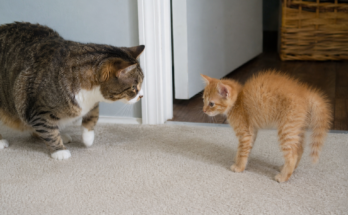
Excessive shedding may also happen because of poor nutrition, dehydration, stress, allergies, skin problems, or parasites.
Knowing the reason behind your cat’s shedding makes it much easier to manage naturally.
Brush Your Cat Every Day
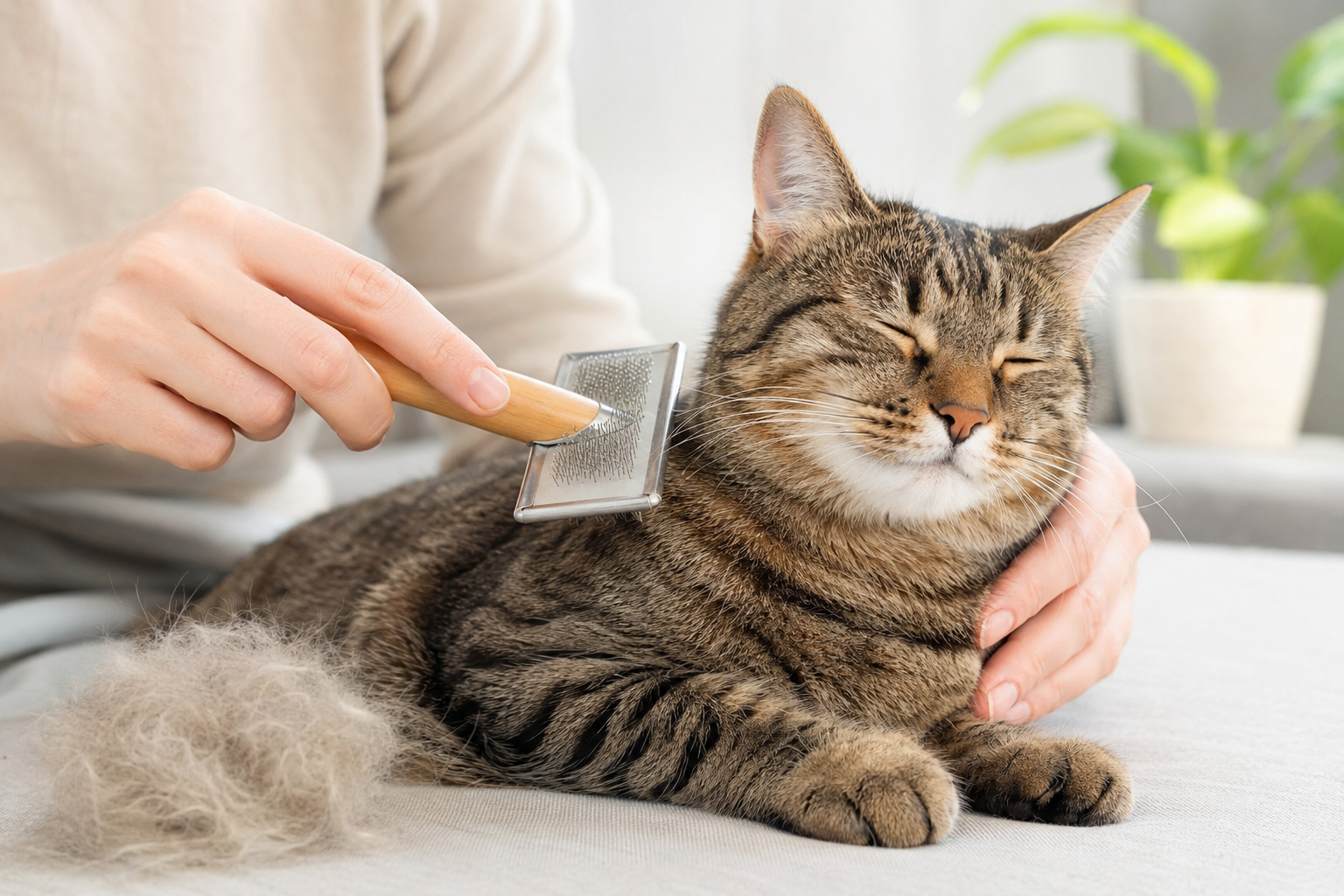
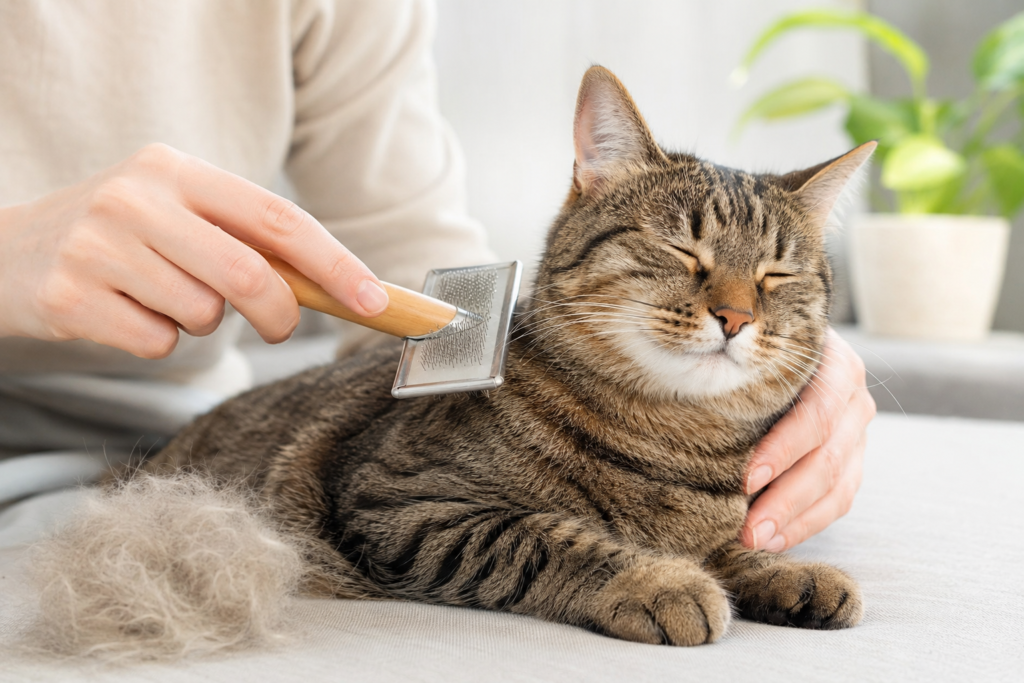
The easiest way to reduce shedding naturally is regular brushing.
Brushing removes loose fur before it ends up on your furniture. It also spreads natural skin oils across the coat, making the fur softer and healthier.
Long haired cats usually need brushing every day, while short haired cats can often be brushed three or four times each week.
Choose a brush that matches your cat’s coat type.
For short haired cats, a soft grooming brush works well.
For long haired cats, a slicker brush or wide tooth comb helps prevent tangles.
Keep grooming sessions short and positive. Give treats afterward so your cat starts enjoying the routine.
Feed High Quality Cat Food
Healthy skin begins with proper nutrition.
A poor diet often leads to dry skin and weak fur, causing more shedding.
Choose cat food made with real animal protein as the main ingredient. Protein helps build healthy hair because fur is mostly made from protein.
Good nutrition strengthens hair follicles and reduces unnecessary hair loss.
Avoid foods filled with artificial colors, excessive fillers, and low quality ingredients.
A balanced diet improves your cat’s coat over time.
Add Omega 3 and Omega 6 Fatty Acids
Healthy fats play a big role in keeping your cat’s skin moisturized.
Omega 3 and Omega 6 fatty acids help reduce dry skin, improve coat shine, and minimize shedding.
Natural sources include fish oil, salmon oil, sardines, and specially formulated cat supplements.
Always introduce supplements gradually and follow your veterinarian’s recommended dosage.
Within several weeks, many owners notice softer fur and less hair around the home.
Keep Your Cat Hydrated
Hydration is often overlooked.
Cats that do not drink enough water can develop dry skin, which increases shedding.
Place fresh water in multiple locations around your home.
Many cats enjoy drinking from pet water fountains because the moving water feels cleaner and more interesting.
You can also increase moisture by feeding wet cat food alongside dry kibble.
Better hydration supports healthy skin and a healthier coat.
Reduce Stress
Stress affects more than behavior.
Cats experiencing anxiety often groom themselves excessively, leading to increased hair loss.
Keep your cat’s daily routine consistent.
Provide quiet resting places.
Spend quality time playing with your cat every day.
Interactive toys, climbing trees, scratching posts, and window perches all help reduce boredom and anxiety.
A relaxed cat usually has healthier skin and sheds less.
Maintain a Healthy Weight
Overweight cats often struggle to groom themselves properly.
When grooming becomes difficult, loose hair builds up and eventually falls out all at once.
Help your cat stay active through daily play sessions.
Use feather toys, laser toys responsibly, or interactive puzzle feeders that encourage movement.
Maintaining a healthy body weight helps your cat reach every part of its body during grooming.
Bathe Your Cat Occasionally
Many people believe cats should never be bathed.
In reality, healthy cats rarely need baths, but an occasional bath can help remove loose fur.
Use only a shampoo specifically designed for cats.
Never use human shampoo because it can dry out your cat’s skin.
A bath every few months may help reduce loose hair, especially during heavy shedding seasons.
Always dry your cat thoroughly afterward.
Control Fleas and Parasites Naturally
Parasites are a common cause of excessive scratching and hair loss.
Even a small flea problem can make your cat scratch constantly, leading to damaged skin and more shedding.
Check your cat regularly for signs of fleas, ticks, or mites.
Keep your home clean by vacuuming carpets, washing bedding, and maintaining your yard if your cat spends time outside.
Speak with your veterinarian about safe parasite prevention options suitable for your cat.
Improve Indoor Humidity
Dry indoor air affects your cat’s skin just as much as it affects yours.
During winter or in homes with constant air conditioning, indoor humidity often becomes very low.
Using a humidifier helps maintain moisture in the air.
Proper humidity keeps your cat’s skin healthier, reducing dryness and excessive shedding.
Even adding a few houseplants or bowls of water near heating sources may slightly improve indoor moisture.
Keep Your Home Clean
Although cleaning does not stop shedding, it makes living with a shedding cat much easier.
Vacuum carpets regularly.
Wash blankets and pet bedding every week.
Use lint rollers on clothing and furniture.
Microfiber cloths work surprisingly well for collecting loose cat hair from hard surfaces.
A clean environment also reduces dust, which may irritate sensitive skin.
Give Regular Health Checkups
Sometimes excessive shedding is not normal.
Medical conditions such as allergies, fungal infections, thyroid disorders, or skin diseases may cause sudden hair loss.
If your cat develops bald patches, red skin, sores, or starts losing much more hair than usual, schedule a veterinary visit.
Early treatment prevents minor issues from becoming serious health problems.
Routine health examinations also ensure your cat stays in excellent condition throughout the year.
Natural Foods That Support a Healthy Coat
Certain natural foods may support healthy skin when offered safely and in moderation.
Cooked salmon provides protein and healthy fats.
Cooked chicken offers high quality protein.
Cooked eggs contain nutrients that support healthy fur.
Pumpkin adds fiber and supports digestion.
Always introduce new foods slowly and make sure they are safe for cats.
Treats should never replace a complete and balanced cat diet.
Common Mistakes That Increase Shedding
Many owners accidentally make shedding worse.
Skipping regular brushing allows loose fur to build up.
Feeding poor quality food weakens hair growth.
Using human shampoo dries the skin.
Ignoring dehydration can damage coat quality.
Allowing stress to continue without enrichment often leads to excessive grooming.
Waiting too long before treating fleas can also increase hair loss.
Avoiding these mistakes helps maintain a healthier coat naturally.
Seasonal Shedding Tips
During spring and fall, your cat may shed more than usual.
Increase brushing frequency during these periods.
Offer plenty of fresh water.
Keep your home clean to remove loose fur.
Pay close attention to your cat’s skin for signs of irritation.
Seasonal shedding is normal, but proper grooming keeps it under control.
When Should You Worry?
Normal shedding happens evenly across the body.
You should contact your veterinarian if you notice any of these signs.
Large bald patches.
Red or inflamed skin.
Constant scratching.
Open sores.
Hair coming out in clumps.
Sudden dramatic increase in shedding.
Weight loss along with hair loss.
These symptoms may indicate an underlying medical condition that requires professional treatment.
Final Thoughts
Learning easy ways to reduce cat shedding naturally is one of the best things you can do for both your cat and your home. While shedding cannot be completely eliminated, simple habits like daily brushing, feeding high quality food, keeping your cat hydrated, reducing stress, and maintaining regular veterinary care can make a noticeable difference.
Natural methods take time, but they are safe, affordable, and support your cat’s overall health. Instead of looking for quick fixes, focus on building a consistent care routine. A healthy cat almost always has healthier skin, a shinier coat, and far less loose fur around your house.
With patience and proper care, you can enjoy more cuddle time with your cat and spend much less time cleaning up unwanted hair.