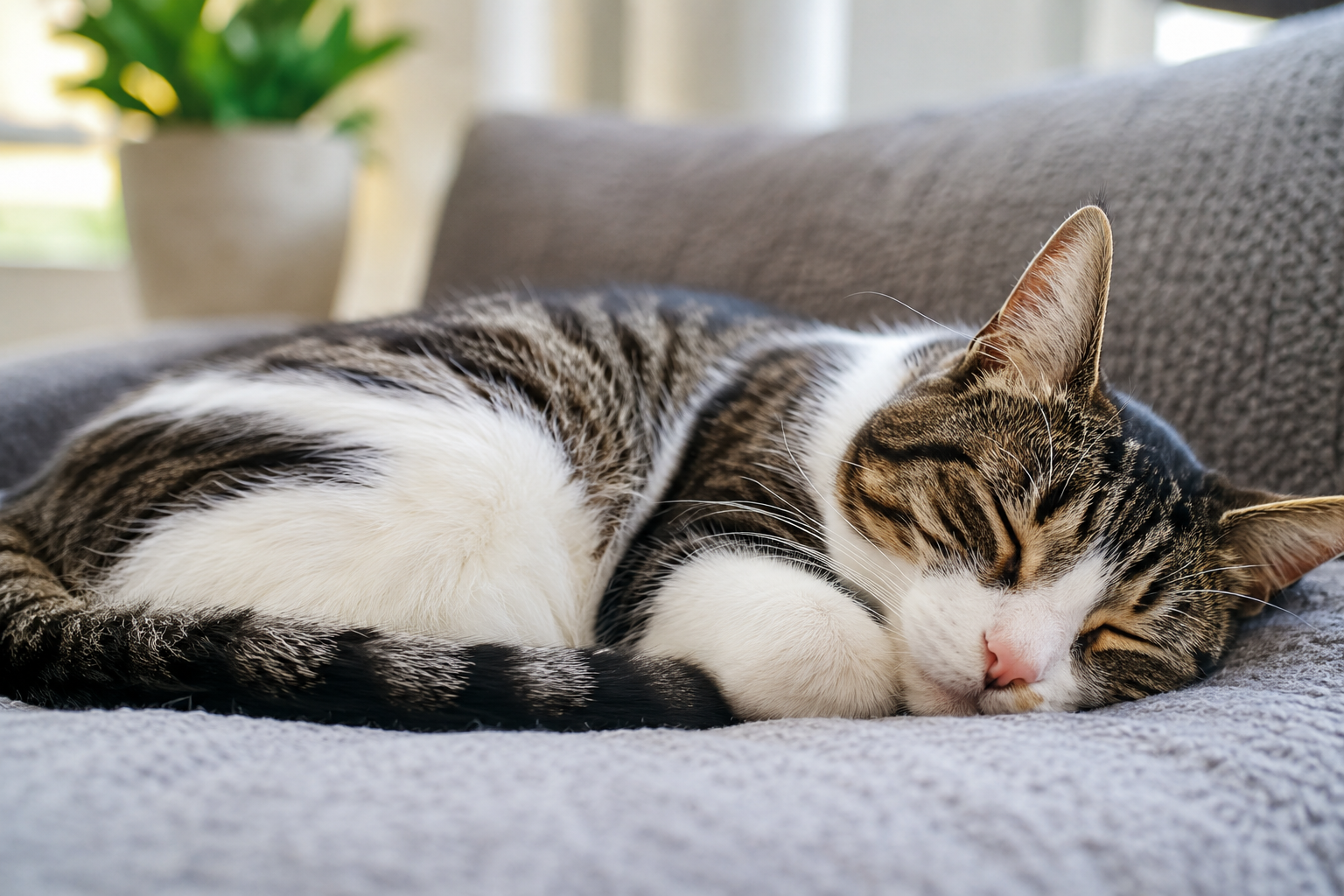
If you have ever looked around your home and wondered, “Why does my cat sleep all day?”, you are definitely not alone. Many cat owners worry when they see their furry friend curled up on the couch, hiding under the bed, or sleeping in a sunny window for what seems like the entire day. It is natural to wonder whether your cat is simply lazy or if there could be a health problem behind all that sleep.
The good news is that sleeping is a completely normal part of a cat’s life. In fact, cats are known for being some of the sleepiest pets in the world. However, there are times when excessive sleeping may be a sign that something is not right.
In this guide, I will explain why cats sleep so much, what is considered normal, when you should be concerned, and how you can keep your cat healthy and active. By the end of this article, you will have a much better understanding of your cat’s daily sleeping habits.
Why Does My Cat Sleep All Day?
The simple answer is that cats are naturally designed to sleep for long hours. Their ancestors were hunters that needed short bursts of energy to catch prey. Sleeping helped them conserve that energy until it was time to hunt again.
Even though your indoor cat no longer needs to chase wild animals for food, those natural instincts still remain. Your cat may spend most of the day resting because its body is following the same pattern that has existed for thousands of years.
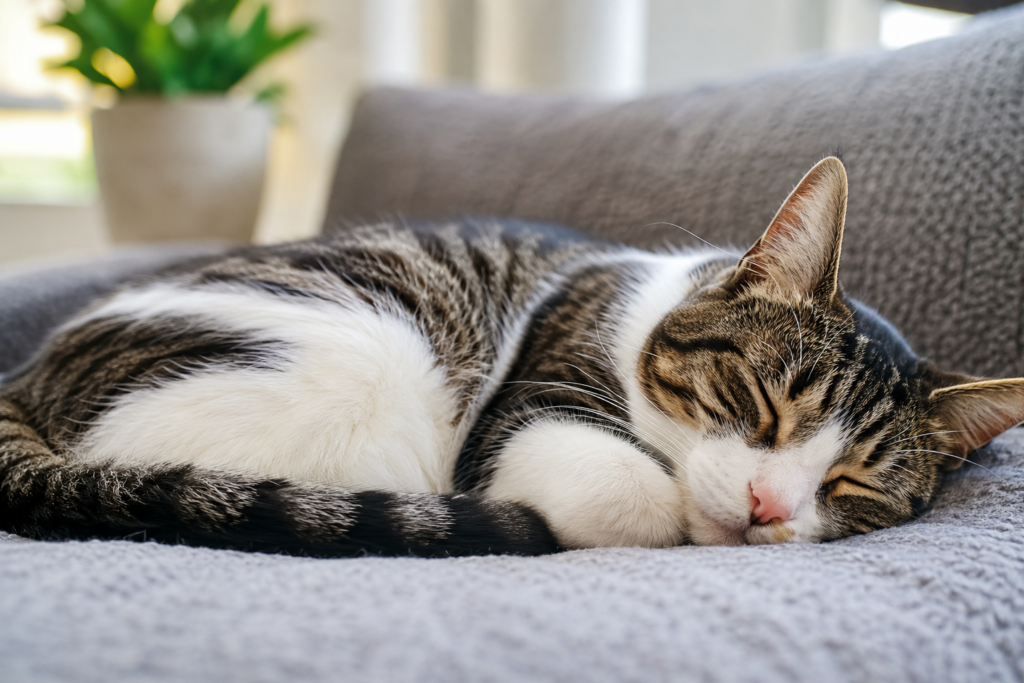
For most healthy cats, sleeping all day is completely normal as long as they wake up for meals, use the litter box, play occasionally, and interact with family members.
How Many Hours Should a Cat Sleep?
One of the most common questions from cat owners is how much sleep is considered normal.
Most adult cats sleep between 12 and 16 hours every day. Some cats may even sleep up to 20 hours, especially kittens and senior cats.
Here is a general idea.
Kittens often sleep between 18 and 20 hours because their growing bodies need plenty of rest.
Healthy adult cats usually sleep around 12 to 16 hours.
Senior cats often return to sleeping 16 to 20 hours as they become less active with age.
Every cat has its own routine, so slight differences are perfectly normal.
Cats Are Natural Hunters
One reason cats sleep so much is their hunting instinct.
In the wild, cats spend a lot of energy stalking, chasing, and catching prey. These activities require intense focus and quick movement. After hunting, cats recover by sleeping for long periods.
Your indoor cat may not hunt birds or mice, but toys, laser pointers, and even insects around the house trigger the same natural instincts.
This is why your cat may suddenly become energetic in the evening before returning to another long nap.
Cats Are Most Active at Dawn and Dusk
Cats are crepuscular animals. This means they are naturally more active during sunrise and sunset rather than during the middle of the day.
If your cat sleeps all afternoon but suddenly starts running around the house in the early morning or late evening, this is perfectly normal behavior.
Many owners mistakenly think their cat sleeps too much because they are away at work during the day and only notice their pet sleeping.
Indoor Cats Sleep More
Indoor cats generally have fewer activities than outdoor cats.
Since food, water, and safety are always available, indoor cats have little reason to stay active throughout the day.
Without enough stimulation, they naturally spend more time sleeping.
You can reduce boredom by providing puzzle feeders, climbing trees, scratching posts, window perches, and interactive toys.
Age Plays a Big Role
A cat’s age greatly affects sleeping habits.
Young kittens are growing rapidly, so they need long periods of sleep for healthy development.
Senior cats slow down naturally as they age. Their joints may become stiffer, and they tire more easily, causing them to spend more time resting.
If your older cat is still eating well and behaving normally, increased sleeping is usually nothing to worry about.
Weather Can Affect Sleep
Believe it or not, the weather can also influence your cat’s sleeping habits.
Many cats sleep longer on rainy, cold, or cloudy days. Lower temperatures and reduced sunlight encourage relaxation.
On bright sunny days, your cat may still spend hours sleeping, but you will probably find them stretched out in a warm patch of sunlight.
Stress Can Make Cats Sleep More
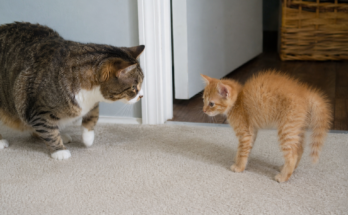
Cats often respond to stress by hiding and sleeping more than usual.
Common causes of stress include moving to a new home, introducing another pet, loud noises, home renovations, or changes in the family’s daily routine.
If your cat suddenly becomes withdrawn and starts sleeping much more after a major life change, stress may be the cause.
Providing quiet spaces, maintaining a regular routine, and giving your cat extra attention can help them feel secure again.
Health Problems That Cause Excessive Sleeping
Although sleeping is normal, there are situations where excessive sleep can signal a medical issue.
Some possible health conditions include infections, fever, diabetes, kidney disease, liver disease, thyroid disorders, heart disease, obesity, and chronic pain.
A sick cat often shows other symptoms besides sleeping.
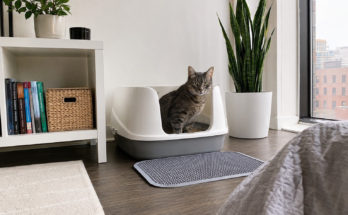
These may include loss of appetite, vomiting, diarrhea, weight loss, breathing problems, hiding constantly, difficulty walking, drinking more water than usual, or changes in litter box habits.
If you notice several of these signs together, contact your veterinarian as soon as possible.
When Should You Be Worried?
It can sometimes be difficult to know whether your cat is simply enjoying a nap or experiencing a health problem.
You should schedule a veterinary visit if your cat suddenly starts sleeping much more than usual without an obvious reason.
A noticeable drop in energy, refusal to eat, trouble breathing, sudden weight loss, or unusual behavior should never be ignored.
You know your cat better than anyone. If something feels different, trust your instincts and seek professional advice.
How to Keep Your Cat Active
If your cat spends most of the day sleeping because of boredom, there are many easy ways to encourage more activity.
Spend at least 15 to 20 minutes each day playing with your cat using feather wands, toy mice, or interactive toys.
Rotate toys every few days so they remain exciting.
Offer climbing shelves or cat trees that encourage exploration.
Use food puzzles that make your cat work for treats.
Allow your cat to watch birds through a secure window.
Small daily activities can improve both physical health and mental stimulation.
Is My Cat Lazy?
Many owners describe their cats as lazy, but this is usually not the case.
Cats simply have different sleep patterns than humans.
A cat that sleeps most of the afternoon but becomes playful at night is following completely normal instincts.
As long as your cat eats well, maintains a healthy weight, grooms regularly, and enjoys playtime, there is usually no reason to worry.
Can Diet Affect Sleep?
Yes, nutrition can influence your cat’s energy levels.
A balanced, high quality diet provides the nutrients needed for healthy muscles, brain function, and daily activity.
Poor nutrition or obesity can make cats feel tired and less interested in playing.
Fresh water should always be available, and regular feeding schedules help maintain healthy energy levels.
If you are unsure whether your cat is receiving the right diet, consult your veterinarian for recommendations.
Frequently Asked Questions
Is it normal for my cat to sleep all day?
Yes. Most healthy cats sleep between 12 and 16 hours every day. Kittens and senior cats often sleep even longer.
Why does my indoor cat sleep so much?
Indoor cats usually have fewer opportunities to explore, hunt, and exercise, so they naturally spend more time resting.
Should I wake my sleeping cat?
Generally, no. Cats need uninterrupted sleep to stay healthy. Let your cat wake naturally unless you need to give medication or attend a veterinary appointment.
Can depression cause cats to sleep more?
Yes. Stress, anxiety, and depression may lead to increased sleeping along with hiding, reduced appetite, and loss of interest in play.
How do I know if my cat is sick or just sleepy?
Look for changes in appetite, drinking habits, weight, breathing, litter box use, or behavior. Sleeping alone is usually normal, but sleeping combined with other symptoms should be checked by a veterinarian.
Final Thoughts
If you have been asking yourself, “Why does my cat sleep all day?”, the answer is usually simple. Cats are naturally built to spend many hours sleeping, and for most healthy cats, this is completely normal. Their sleep helps conserve energy, supports growth, and reflects instincts passed down from their wild ancestors.
At the same time, it is important to pay attention to any sudden changes in your cat’s routine. If your normally active cat becomes unusually sleepy, refuses food, loses weight, or shows other unusual symptoms, it is best to seek veterinary care.
By understanding your cat’s natural sleep cycle, providing daily playtime, feeding a balanced diet, and watching for signs of illness, you can help your feline companion enjoy a long, healthy, and happy life. The next time you see your cat peacefully sleeping in their favorite spot, you can relax knowing that, in most cases, those long naps are simply part of being a cat.