Main SEO Keyword: Natural ways to keep pets hydrated in summer
Summer is a wonderful season for outdoor fun, but it can also be challenging for our pets. As temperatures rise, dogs and cats lose more water through panting, breathing, and daily activity. If they do not drink enough water, they can quickly become dehydrated, which may lead to serious health problems. As a pet owner, I always believe that prevention is much better than treatment. Keeping pets hydrated does not have to be difficult or expensive. There are many natural ways to encourage healthy water intake while helping them stay comfortable during hot weather.
In this guide, I will share practical and natural ways to keep pets hydrated in summer. These simple tips can make a big difference in your pet’s health and happiness throughout the hottest months of the year.
Why Hydration Matters for Pets
Water plays an essential role in every part of your pet’s body. It helps regulate body temperature, supports digestion, transports nutrients, lubricates joints, and keeps organs functioning properly.
During summer, pets lose water more quickly because of increased body heat. Dogs mainly cool themselves by panting, while cats may groom themselves more often to regulate temperature. Both processes increase water loss.
Without enough water, pets may become tired, weak, and uncomfortable. Severe dehydration can become a medical emergency if not treated promptly.
Signs Your Pet May Be Dehydrated
Knowing the early warning signs helps you act before dehydration becomes serious.
Common symptoms include:
- Dry nose and gums
- Thick or sticky saliva
- Sunken eyes
- Loss of energy
- Heavy panting
- Reduced appetite
- Dark yellow urine
- Skin that does not quickly return after being gently lifted
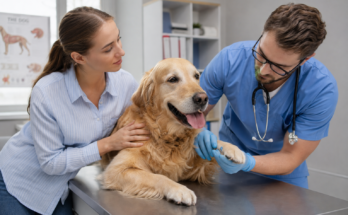
If your pet shows severe symptoms such as vomiting, collapse, or difficulty standing, contact your veterinarian immediately.
Always Provide Fresh, Clean Water
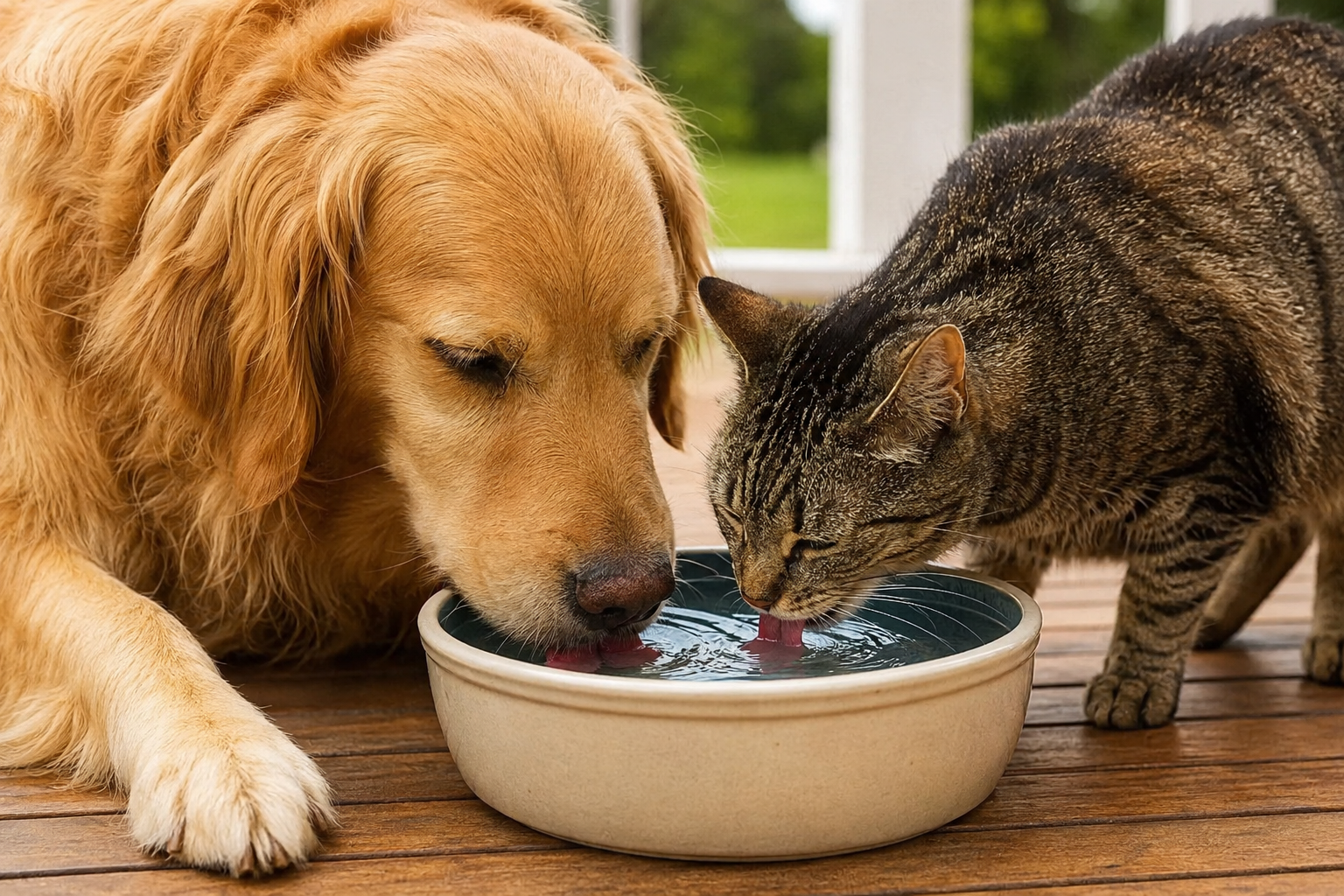
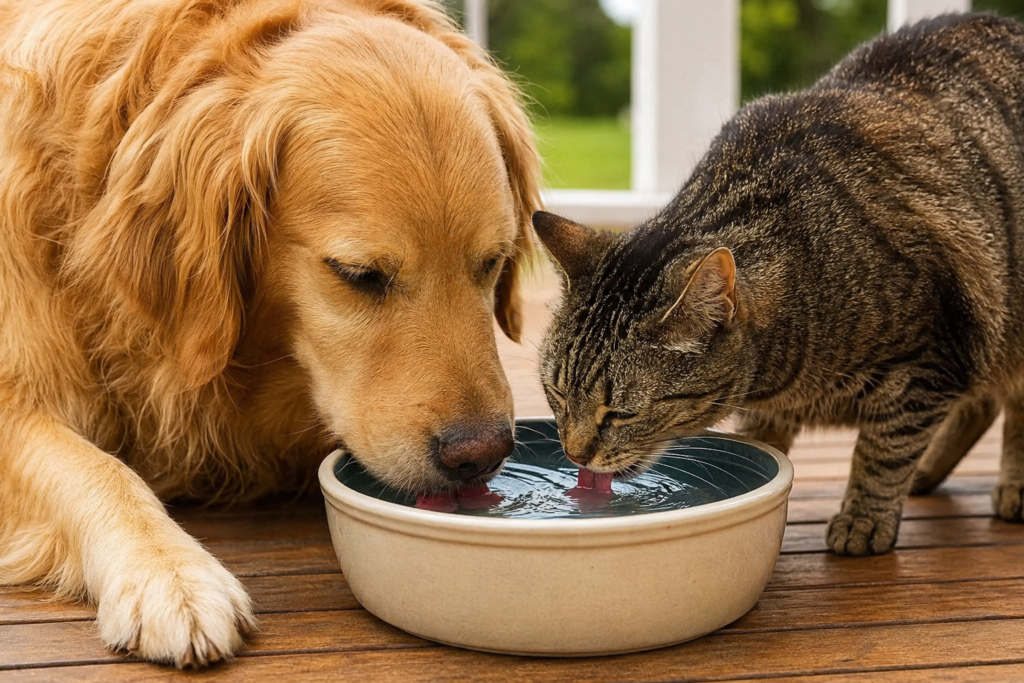
The easiest and most effective way to keep pets hydrated in summer is by offering fresh drinking water throughout the day.
I recommend replacing the water several times daily because warm water becomes less appealing. Clean bowls regularly to prevent bacteria from growing.
Place water bowls in cool, shaded areas where your pet spends most of its time. Indoor pets should also have multiple water stations around the house so they never have to search for water.
Use Multiple Water Bowls
Many pets naturally drink more when water is easily available.
Instead of using only one bowl, place several bowls in different rooms and outdoor spaces. This works especially well for larger homes or households with multiple pets.
Having water nearby encourages frequent drinking without extra effort.
Add Moisture to Meals
One of the best natural ways to keep pets hydrated in summer is by increasing moisture in their food.
If your pet normally eats dry kibble, try adding a little warm water before serving. Wet food also contains much more moisture than dry food and can significantly increase daily water intake.
For pets that enjoy homemade meals approved by your veterinarian, naturally water rich vegetables such as cucumber or zucchini can be included in moderation.
Offer Water Rich Fruits
Some fruits contain plenty of water and make refreshing summer treats.
Safe options include:
- Watermelon without seeds
- Blueberries
- Strawberries
- Apples without seeds
- Cantaloupe
Always introduce new foods slowly and serve them in small portions.
Avoid grapes, raisins, cherries, and any fruit containing toxic seeds or pits.
Give Safe Frozen Treats
Frozen snacks help pets cool down while increasing hydration.
You can freeze plain water into small cubes or prepare homemade frozen treats using pet safe ingredients.
Some simple ideas include:
- Frozen watermelon pieces
- Ice cubes made from diluted low sodium bone broth for dogs
- Frozen plain yogurt treats
- Frozen cucumber slices
Cats may enjoy licking flavored ice cubes made from tuna water without added salt.
These treats should always be given in moderation.
Use a Pet Water Fountain
Some pets naturally prefer moving water over still water.
Cats especially are often attracted to flowing water because it seems fresher. A pet water fountain can encourage more frequent drinking throughout the day.
Remember to clean the fountain regularly and replace filters according to the manufacturer’s instructions.
Keep Exercise During Cooler Hours
Hydration is closely connected to physical activity.
Avoid walks during the hottest part of the day. Early morning and late evening are much safer because temperatures are lower.
Before leaving home, allow your pet to drink water. Bring a portable water bottle and travel bowl during longer walks or trips.
Offer small drinks regularly instead of waiting until your pet becomes very thirsty.
Create Cool Resting Areas
Pets lose more body water when they become overheated.
Provide shaded outdoor areas or cool indoor spaces where your pet can relax.
Cooling mats, fans, and good ventilation can help reduce body temperature naturally.
The cooler your pet stays, the less water it loses through excessive panting.
Encourage Indoor Play
On extremely hot days, replace outdoor exercise with indoor games.
Playing indoors keeps pets active without exposing them to dangerous temperatures.
Simple activities include:
- Puzzle toys
- Hide and seek games
- Gentle fetch indoors
- Training sessions with rewards
After playtime, always encourage your pet to drink fresh water.
Take Water During Travel
Summer trips require extra planning.
Whether you are visiting friends, going to the park, or taking a road trip, never assume water will be available.
Carry:
- Fresh bottled water
- Portable travel bowl
- Cooling towel
- Small frozen water bottle
Offer water every thirty to sixty minutes during longer journeys.
Avoid Sugary or Artificial Drinks
Pets only need clean water.
Never give:
- Soft drinks
- Sweetened juices
- Sports drinks
- Energy drinks
- Alcohol
Many human beverages contain ingredients that are unsafe for animals.
Plain fresh water remains the healthiest option.
Feed Smaller Meals During Hot Weather
Some pets naturally eat less during summer.
Offering smaller meals more often may improve digestion while helping them stay comfortable.
Meals containing extra moisture also support better hydration throughout the day.
Always maintain a balanced diet recommended for your pet’s age and health.
Watch Senior Pets More Closely
Older pets are more likely to become dehydrated because they may drink less water naturally.
Senior dogs and cats should have easy access to water without needing to climb stairs or walk long distances.
Older pets with kidney disease, diabetes, or heart problems may require additional monitoring during hot weather.
If you notice changes in drinking habits, speak with your veterinarian.
Monitor Puppies and Kittens
Young pets are also at higher risk because they become dehydrated more quickly.
Provide constant access to fresh water and avoid prolonged outdoor play in high temperatures.
Young animals depend on their owners to recognize early signs of heat stress.
Know the Signs of Heatstroke
Dehydration can quickly lead to heatstroke during extremely hot weather.
Watch for:
- Excessive panting
- Bright red gums
- Weakness
- Vomiting
- Confusion
- Difficulty walking
- Collapse
Heatstroke is a medical emergency.
Move your pet to a cool area immediately, provide small amounts of water, and seek veterinary care without delay.
Make Drinking Water More Interesting
Some pets simply need encouragement.
You can naturally increase interest by:
- Refreshing water several times daily
- Using stainless steel or ceramic bowls
- Adding an extra bowl in favorite resting areas
- Offering flowing water through a fountain
- Keeping bowls away from litter boxes or feeding areas for cats
Small changes often lead to noticeable improvements in water intake.
Common Mistakes Pet Owners Should Avoid
Many owners unintentionally increase dehydration risk.
Avoid these mistakes:
- Leaving water in direct sunlight
- Forgetting to refill outdoor bowls
- Exercising pets during midday heat
- Leaving pets inside parked vehicles
- Assuming pets will drink enough on their own
- Ignoring early signs of dehydration
Preventing these mistakes can protect your pet throughout the summer.
Final Thoughts
Using natural ways to keep pets hydrated in summer is one of the simplest yet most important responsibilities of every pet owner. Fresh water, water rich foods, shaded rest areas, safe frozen treats, and cooler exercise times all work together to keep your dog or cat healthy during hot weather.
I always remind fellow pet owners that hydration is not only about preventing thirst. It supports every part of a pet’s body and helps them stay active, comfortable, and happy. By following these simple natural habits every day, you can reduce the risk of dehydration and heat related illnesses while giving your furry companion a safe and enjoyable summer.